
Oral health is universal, but the way people approach it varies significantly across countries and cultures. Oral care habits differ across cultures. History, education, economic conditions, and social beliefs shape oral care habits by influencing brushing frequency, techniques, and product choices.
Understanding these differences helps oral care brands expand globally. It also shows how deeply culture shapes everyday health routines.
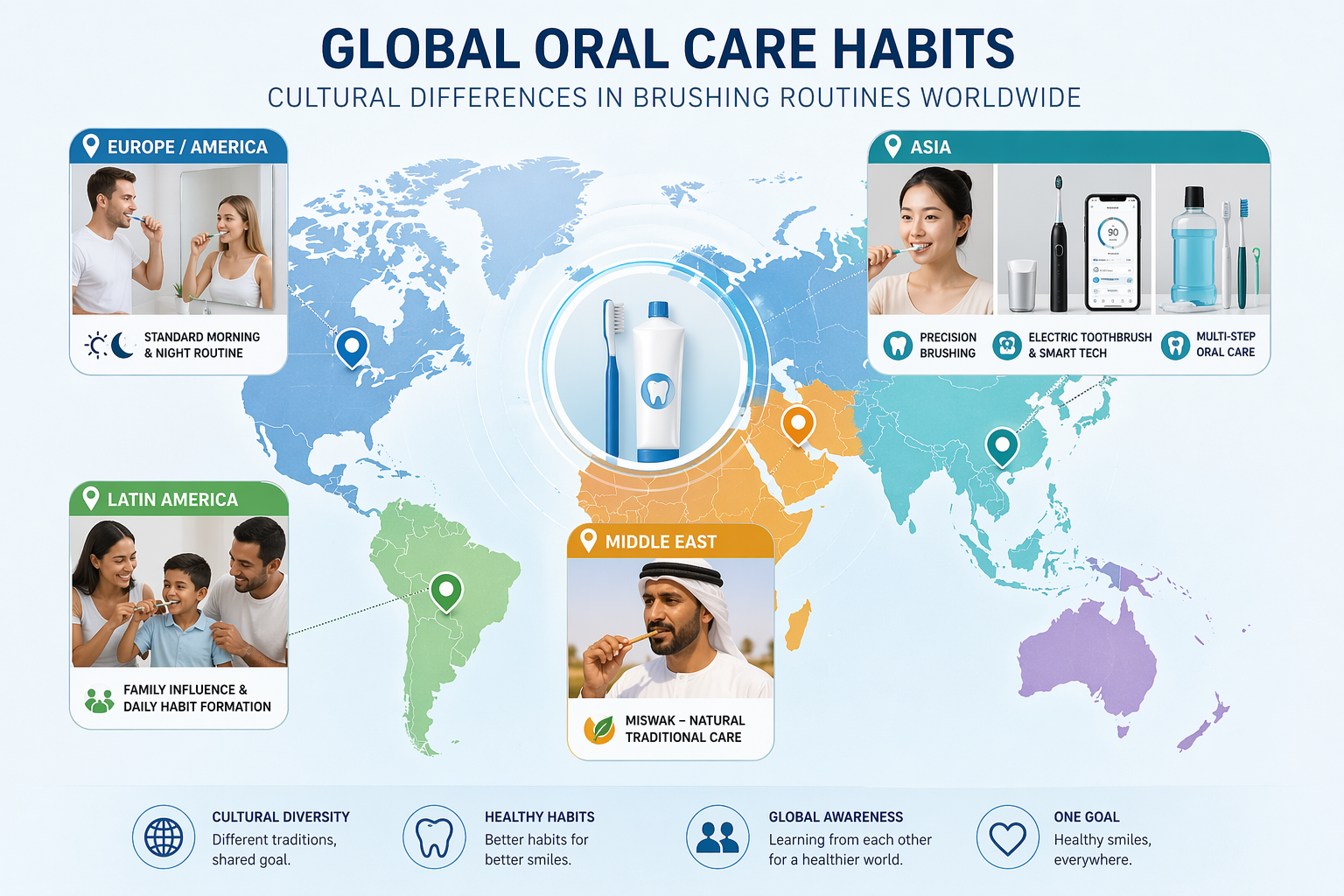
Asia: Precision, Prevention, and Oral Hygiene Innovation
In many Asian countries, including Japan, South Korea, and China, oral care habits emphasize prevention and meticulous cleaning. Brushing after every meal is relatively common, especially in urban areas.
Japan, for example, emphasizes detailed brushing techniques, often using soft-bristled toothbrushes and interdental brushes. This reflects a broader cultural value of precision and cleanliness. In South Korea, whitening and cosmetic dental care are also highly prioritized, influencing both consumer behavior and product innovation.
China presents a mix of traditional and modern approaches. Herbal rinses and traditional cleaning methods are still common in rural areas. In contrast, urban consumers increasingly use advanced products like electric toothbrushes and whitening solutions.
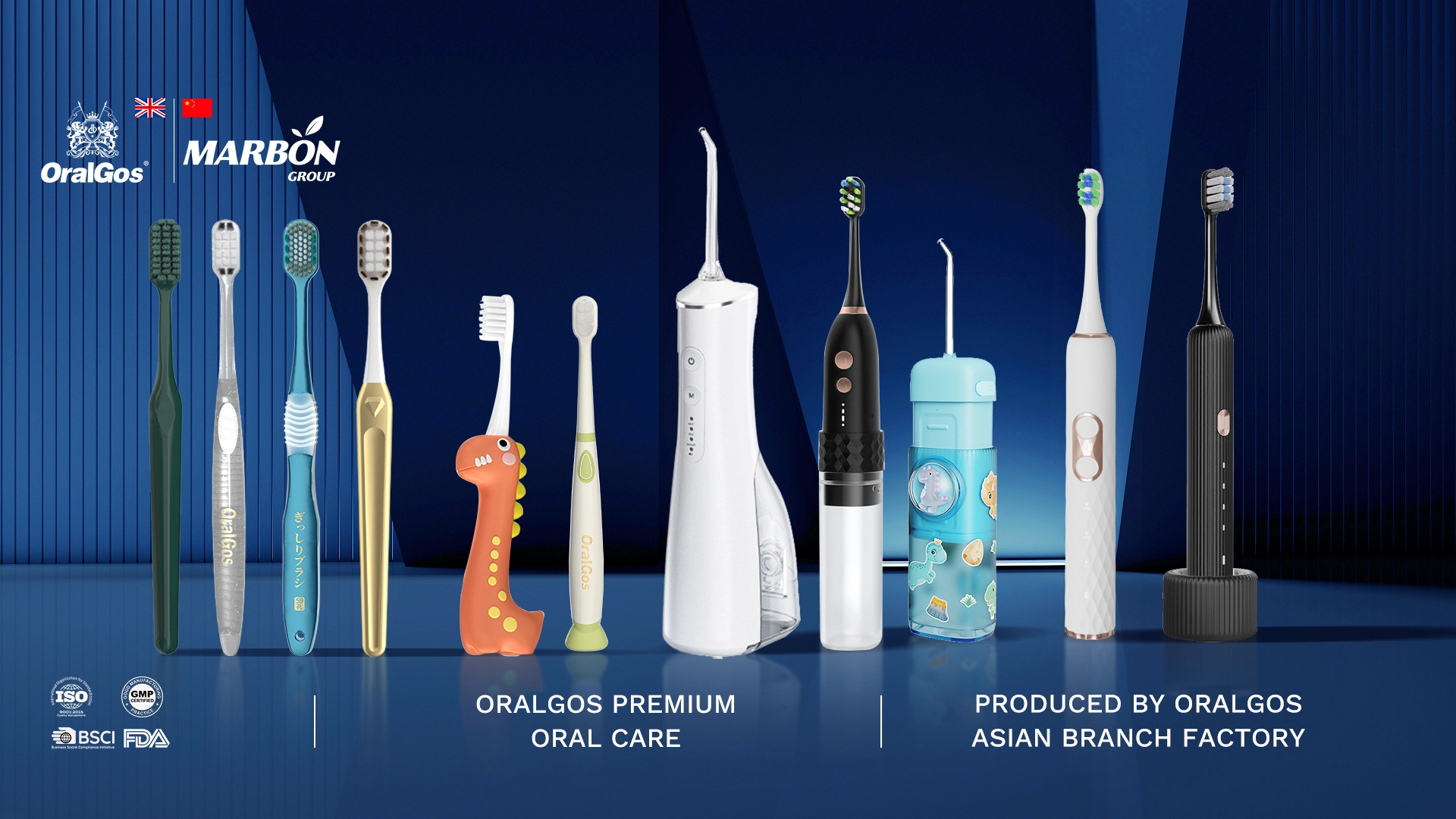
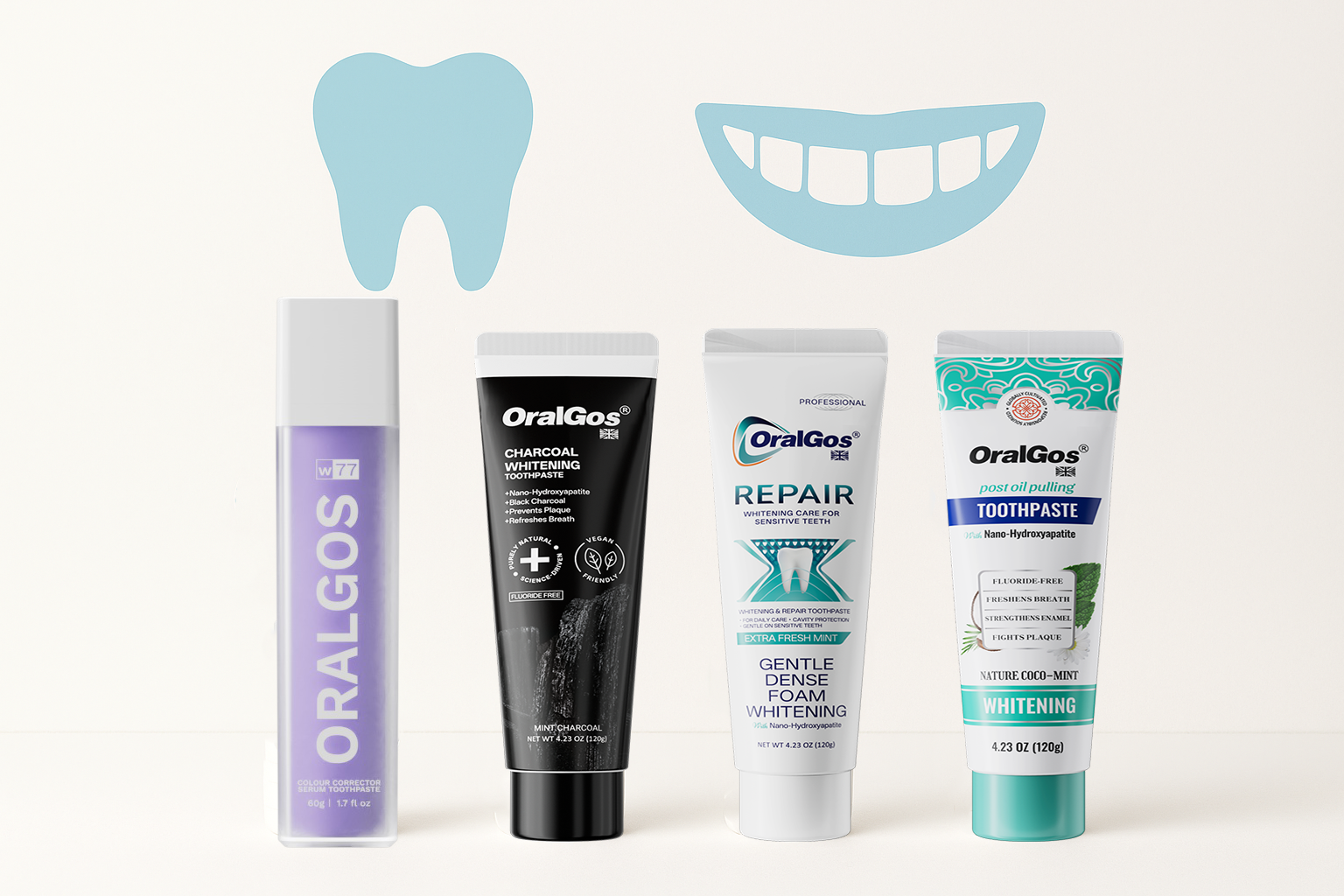
Many of these evolving oral care habits are also driving demand for innovative oral care products. Brands like OralGos provide a wide range of modern solutions designed for different consumer needs and global markets. Explore their full range of oral care products to see how innovation meets global demand.

Western Countries: Simple and Clinical Dental Care Practices
In Western countries, dental professionals and clinical guidelines shape oral care habits. The general recommendation is brushing twice a day with fluoride toothpaste, supported by flossing once daily.
According to the American Dental Association (ADA), consistent brushing and flossing are key to preventing cavities and gum disease. These guidelines strongly influence consumer behavior, making dental routines relatively standardized across households.
However, compared to some Asian countries, Western oral care habits tend to be less frequent but more structured. Instead of brushing after every meal, most people stick to morning and evening routines.
Consumers are increasingly choosing electric toothbrushes and whitening products for their convenience and aesthetic benefits, rather than traditional habits.
Middle East and Africa: Tradition Meets Modern Oral Care
In the Middle East, people deeply root their oral care habits in tradition. The miswak stick is one of the most well-known natural teeth-cleaning tools derived from the Salvadora persica tree. People have used this practice for centuries, and they still widely respect it today for its natural antibacterial properties.
Modern dental care products are also becoming increasingly popular, especially in urban areas like Dubai, Riyadh, and Doha. Consumers often combine traditional methods with modern toothbrushes and toothpaste, creating a hybrid oral care routine.
In many African countries, access to dental care products varies significantly. Urban populations are more likely to follow global oral care habits. In contrast, rural communities often rely on natural cleaning tools. They also brush less frequently because of limited access to products and education.
Latin America: Family Influence on Brushing Habits
Family education and school programs strongly shape oral care habits in countries like Brazil, Mexico, and Argentina. Parents and schools often teach children to brush twice a day, and communities commonly run dental health awareness campaigns.
Brazil, in particular, has a strong dental industry and one of the highest rates of dental visits globally. Whitening products and aesthetic dentistry are also highly popular, reflecting a strong cultural emphasis on appearance.
However, access to consistent dental care still varies by region. As a result, oral care habits differ between urban and rural populations.
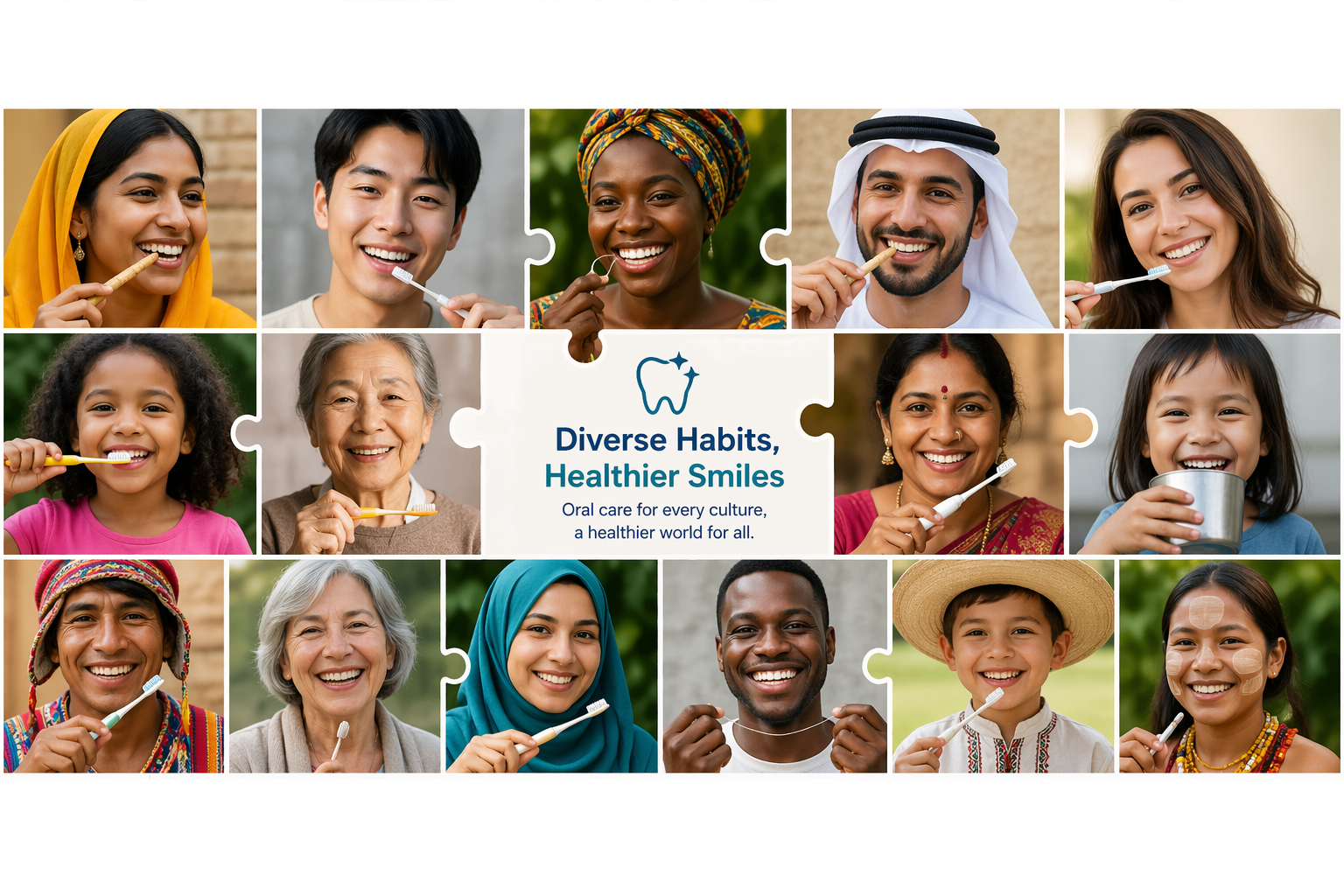
Global Trends in Oral Hygiene and Dental Care
Despite cultural differences, several global trends are shaping modern oral care habits:
- Digital dentistry awareness: Social media and online education are influencing how people learn about oral hygiene.
- Rise of electric toothbrushes: Convenience and efficiency are driving adoption worldwide.
- Focus on aesthetics: Teeth whitening and cosmetic dentistry are becoming global priorities.
- Natural and sustainable products: Consumers are increasingly interested in eco-friendly oral care solutions.
These trends show that while cultural differences remain strong, global integration is gradually aligning oral care habits across regions.
Conclusion
Oral care habits go beyond hygiene and reflect culture, history, and lifestyle. Different regions show this clearly. In the Middle East, people often use miswak. In the West, oral care routines are more structured. In Asia, habits focus on precision and thorough cleaning.
As global awareness of oral health continues to grow, understanding these differences becomes essential for both consumers and manufacturers. Whether through innovation, education, or tradition, the future of oral care is becoming more connected, yet still beautifully diverse.