Tooth enamel is the hardest substance in the human body, but it is not immune to damage. Once enamel begins to wear down, it cannot regenerate naturally. Understanding what causes this damage is essential. It helps prevent long-term dental issues such as sensitivity, discoloration, and decay.
In this article, we explore the most common factors behind enamel damage and how to protect your teeth effectively.
tooth enamel erosion causes
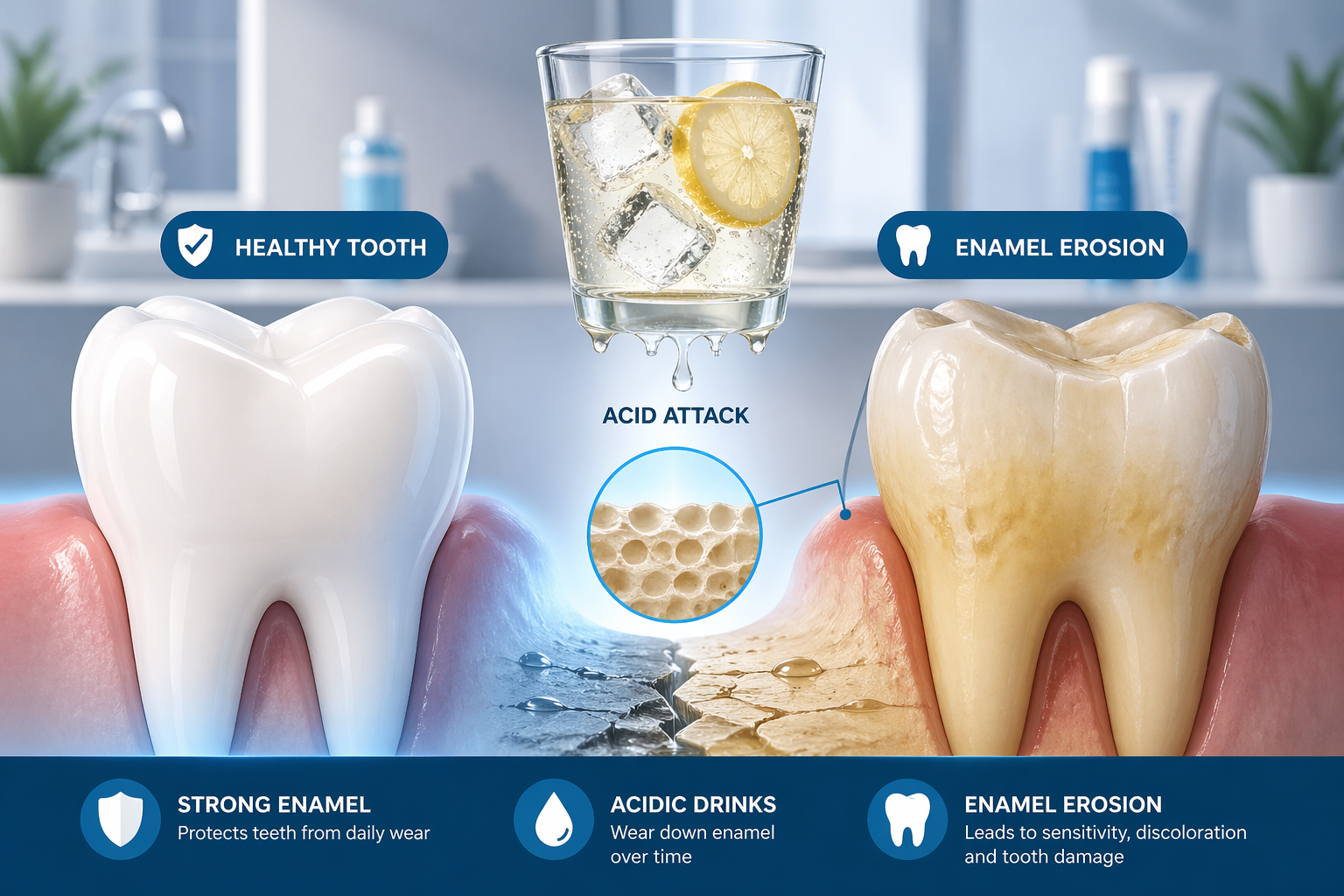
The term “tooth enamel erosion causes” describes several factors that gradually wear away the tooth’s outer protective layer. These include chemical, dietary, and behavioral influences. Unlike bacteria that cause cavities, acids and mechanical wear primarily drive enamel erosion.
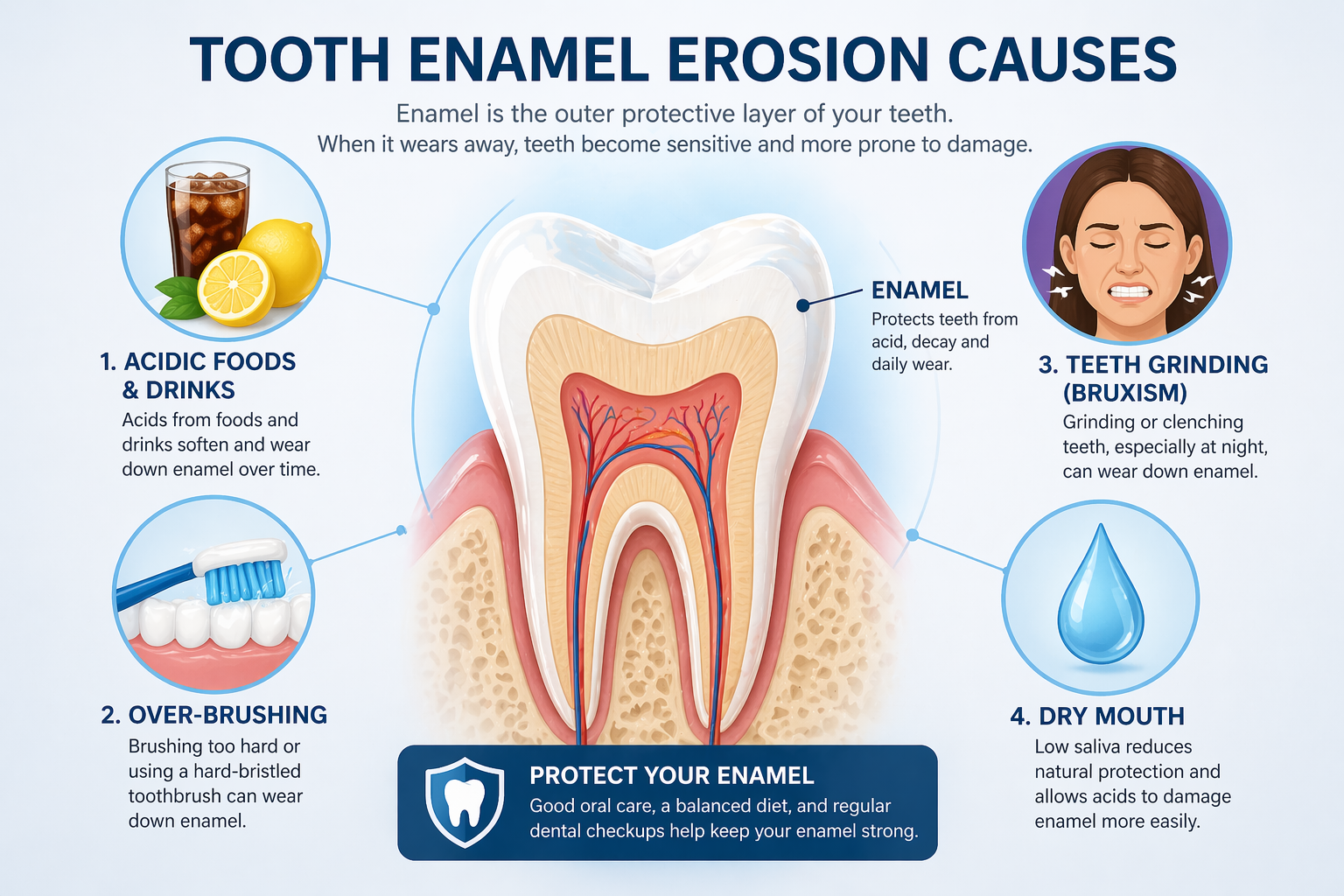
Frequent consumption of acidic foods and drinks is one of the biggest contributors. These include citrus fruits, soda, energy drinks, and wine. These acids soften enamel, making it more vulnerable to abrasion during brushing or chewing. Over time, this leads to thinning enamel and increased tooth sensitivity.
Another key factor is poor oral hygiene habits. Brushing too aggressively or using a hard-bristled toothbrush can physically strip away enamel. Similarly, brushing immediately after acidic foods can worsen damage because acids temporarily soften the enamel.
Dry mouth (xerostomia) also increases the risk of enamel erosion. Saliva naturally helps neutralize acids and remineralize teeth. Reduced saliva production—caused by medication, dehydration, or medical conditions—disrupts the mouth’s natural protective balance.
The American Dental Association recommends good oral care habits and limiting acid exposure to reduce enamel erosion risk.
Tooth enamel erosion causes: dietary factors and lifestyle habits
Diet plays a central role in enamel health. Frequent snacking on acidic or sugary foods increases acid attacks on enamel throughout the day. Even “healthy” choices like citrus fruits or smoothies can contribute to enamel erosion. This happens when people consume them too often without rinsing or balancing them with neutral foods.
Carbonated beverages are especially harmful because of their combination of acid and sugar. Sports drinks, often marketed as healthy hydration options, can also significantly contribute to enamel weakening.
Lifestyle habits further intensify the problem. Teeth grinding (bruxism), often caused by stress or sleep disorders, creates mechanical wear that accelerates enamel loss. Smoking and alcohol consumption can also reduce saliva flow, increasing the risk of acid damage.
In many cases, people do not realize that these everyday habits contribute to tooth enamel erosion. This lack of awareness makes prevention more difficult.
How to protect against enamel erosion
Preventing enamel damage requires a combination of dietary awareness and proper oral care routines. Reducing acidic food intake and drinking water after meals can help neutralize acids in the mouth.
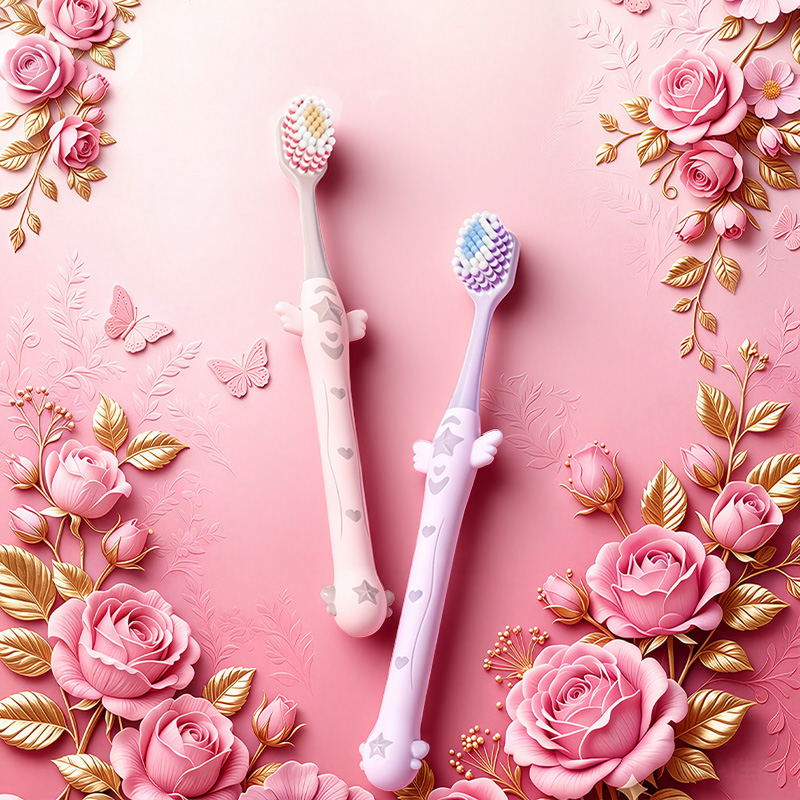
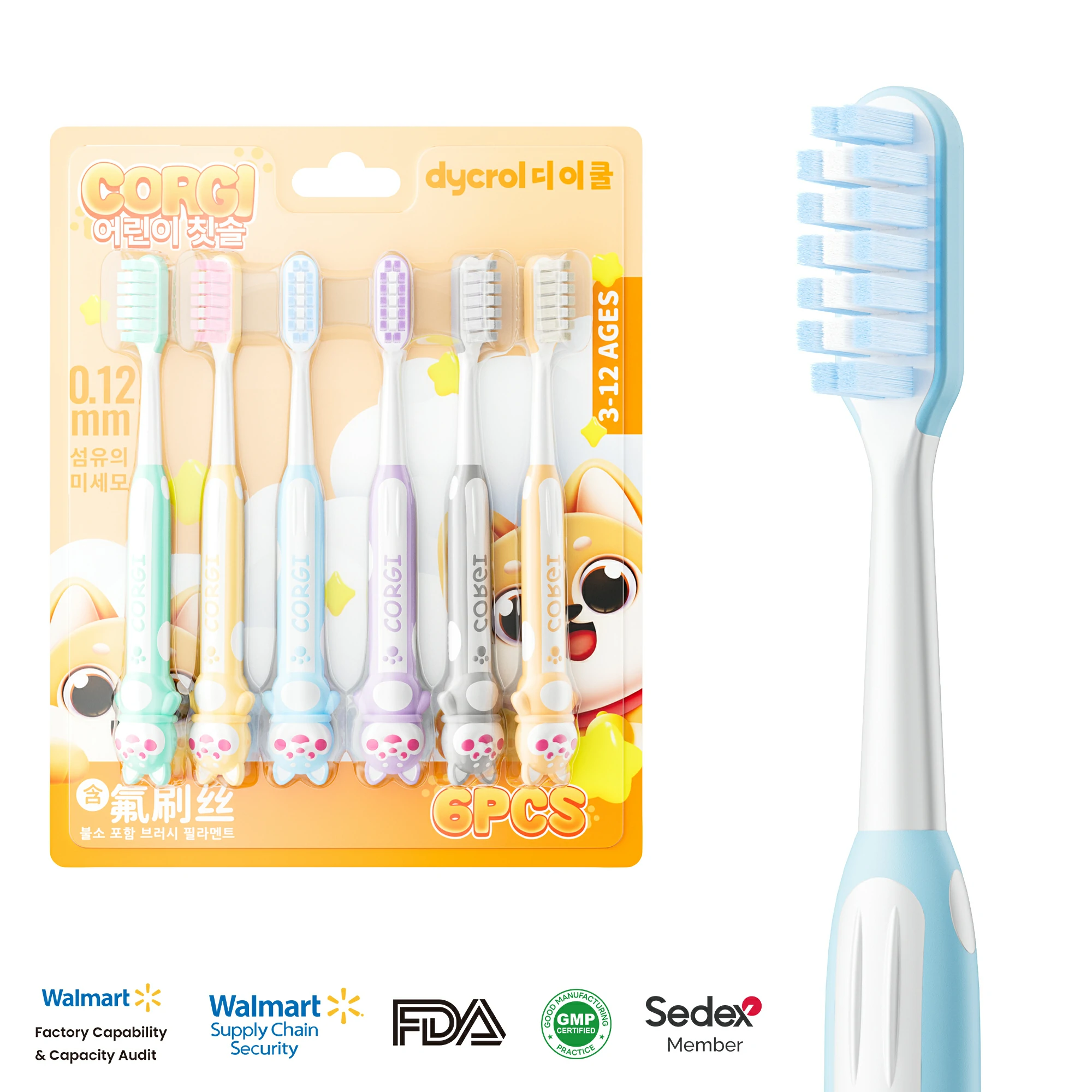
Using a soft-bristled toothbrush and gentle brushing technique is essential. Wait at least 30 minutes after acidic meals before brushing. This helps prevent damage to softened enamel.
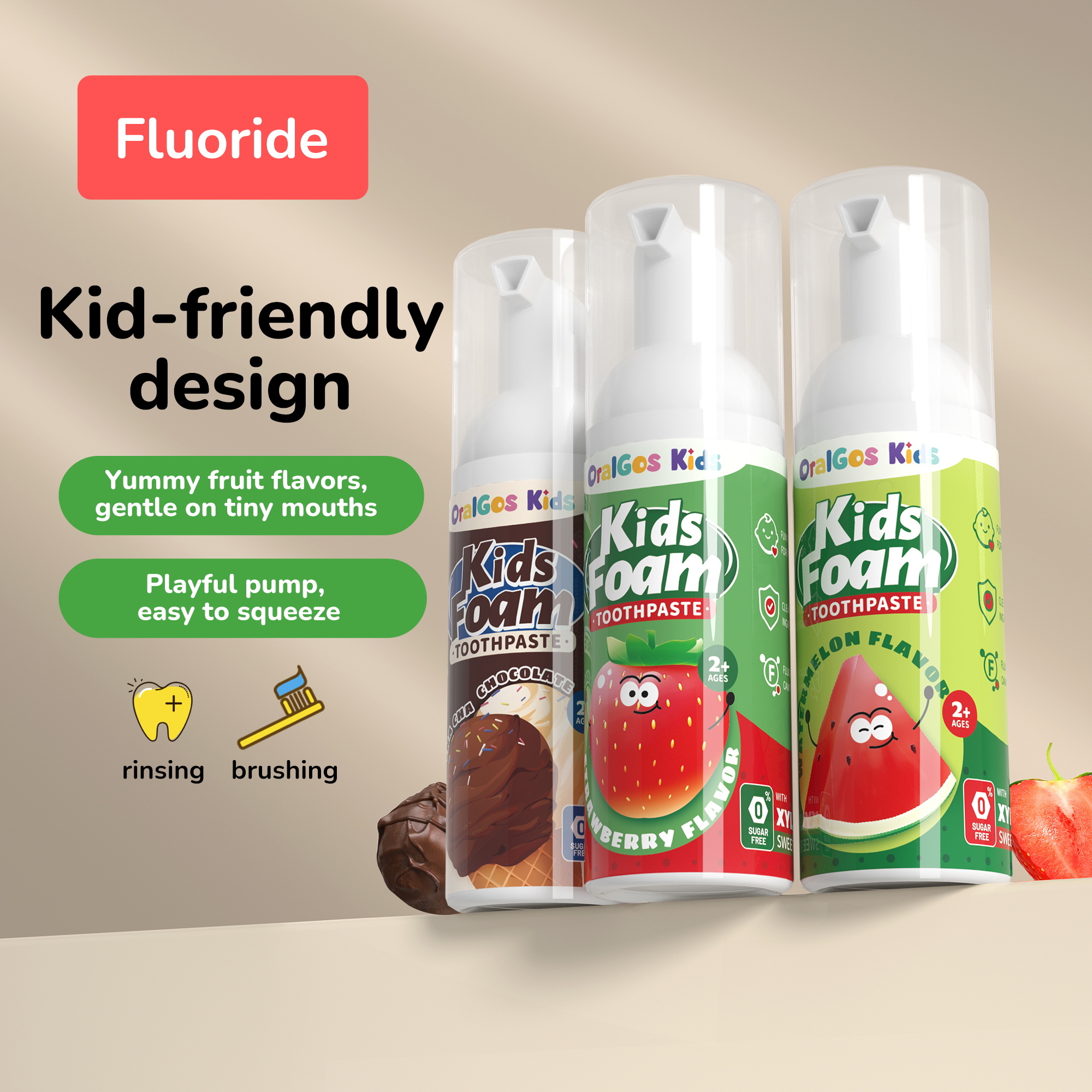
Fluoride toothpaste can help strengthen enamel and improve resistance to acid attacks. In addition, professional dental care plays a crucial role in monitoring early signs of erosion.
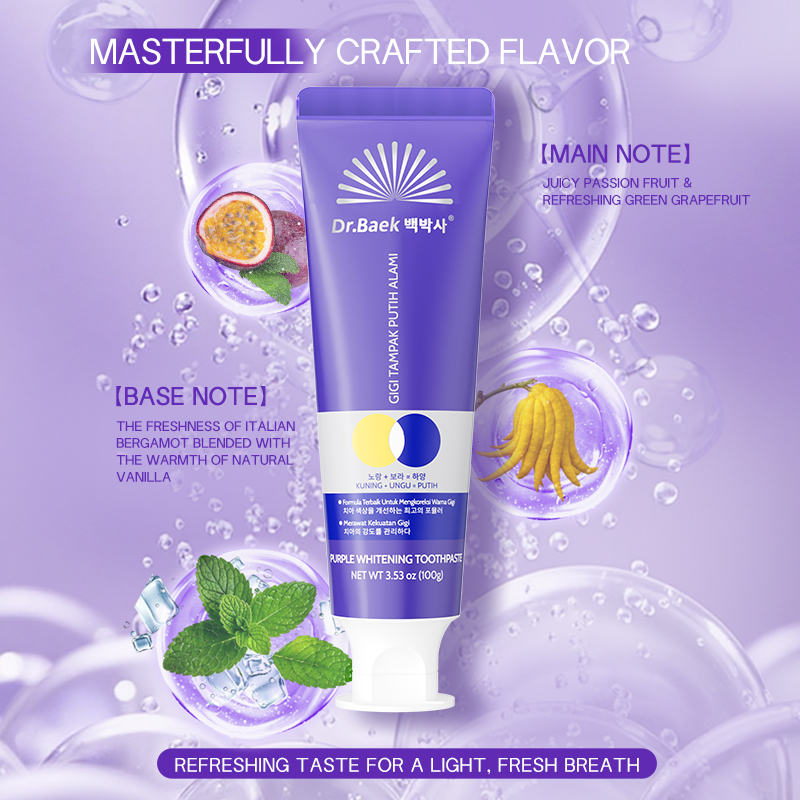
For oral care products designed to support enamel-friendly routines, you can explore options in the OralGos Products collection.
Long-term awareness of tooth enamel erosion causes
Understanding tooth enamel erosion causes is not just about identifying harmful foods or habits. It also helps build long-term awareness. Many people only notice enamel damage after symptoms appear, such as sensitivity to cold or visible yellowing of teeth.
Early prevention is always more effective than treatment. Once enamel is lost, dentists often need restorative dental procedures to repair the damage. These treatments can be costly and time-consuming.
Staying informed, making small daily adjustments, and following guidance from trusted dental authorities like the American Dental Association can significantly reduce the risk of enamel erosion.
Ultimately, protecting enamel is about consistency. Small daily habits can preserve enamel strength for years to come. These include choosing water over soda, brushing gently, and maintaining regular dental visits.