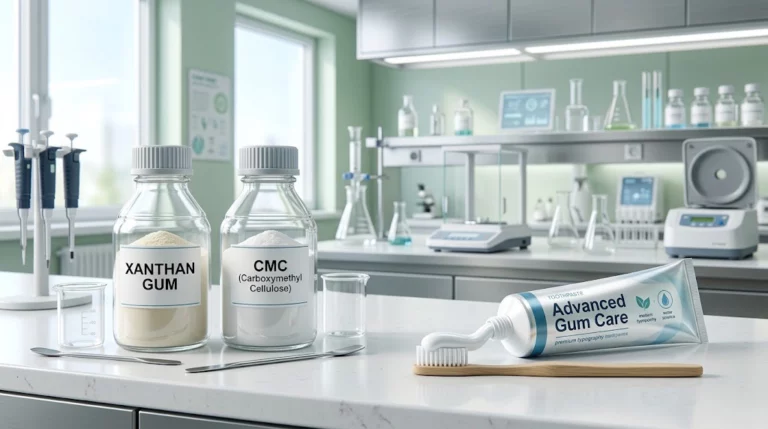
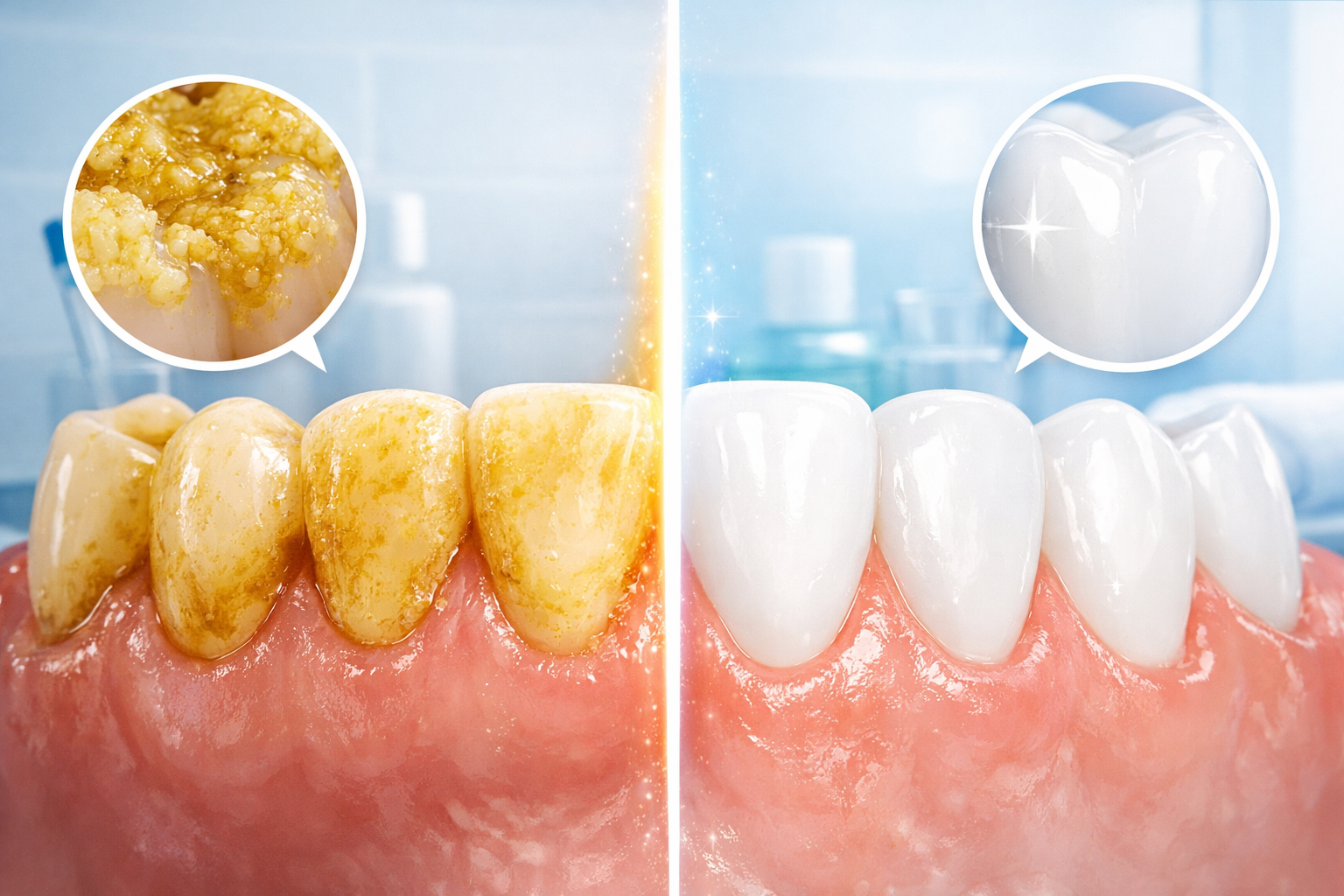
Plaque buildup is one of the most common oral health problems worldwide. However, it is also one of the easiest to prevent when you build the right daily habits. If you don’t remove plaque properly, it can harden into tartar and cause cavities, gum disease, and bad breath. Understanding how to avoid plaque buildup is essential for maintaining long-term oral health and a confident smile.
This guide explains practical strategies to reduce plaque formation. It also highlights the tools and habits that can make a real difference.
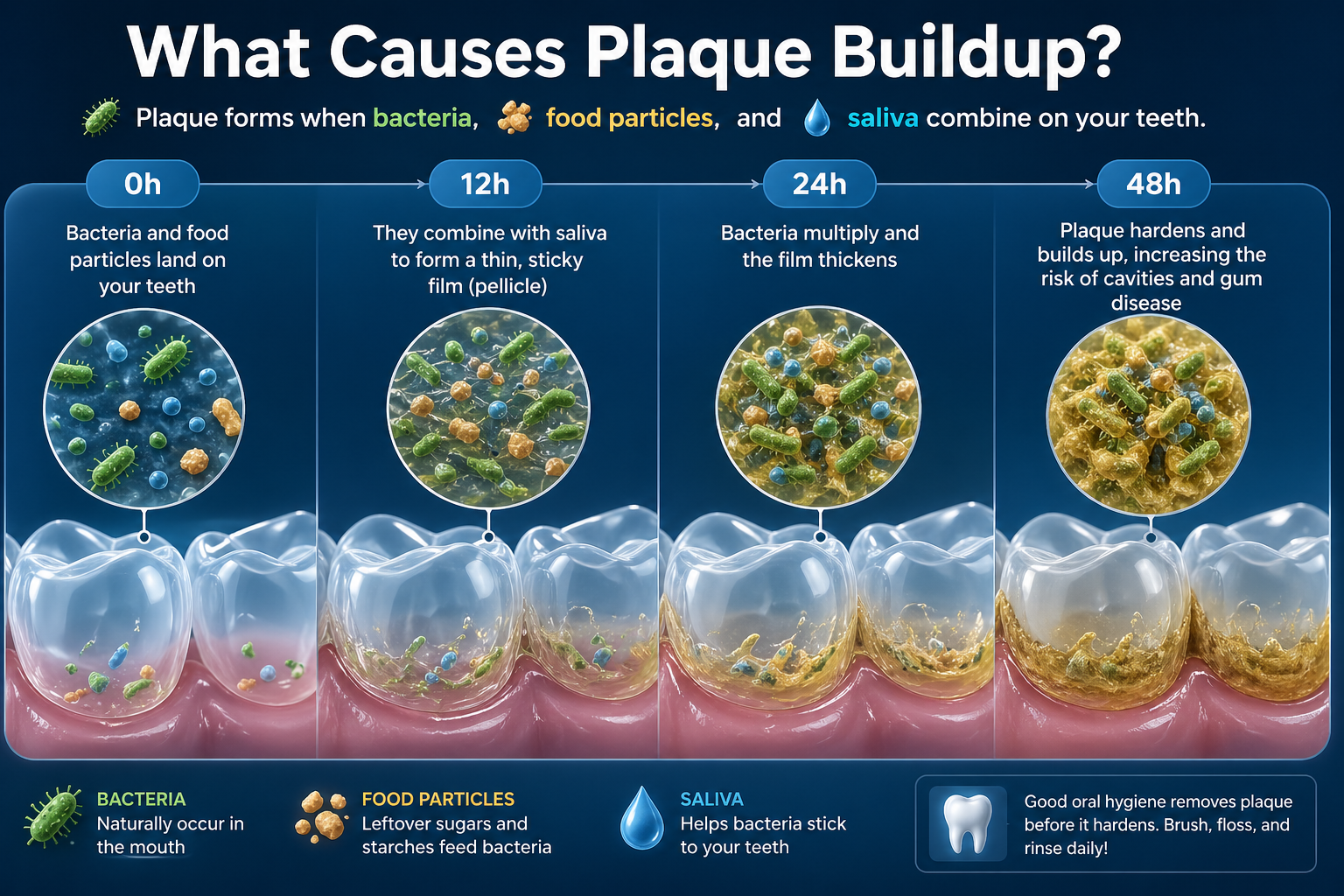
What Causes Plaque Buildup?
Plaque buildup begins when bacteria in the mouth mix with food particles and saliva. This sticky film constantly forms on teeth, especially in hard-to-reach areas. If you don’t remove plaque within 24–48 hours, it begins to harden and becomes harder to remove.
Common causes include:
- Irregular brushing habits
- Not flossing daily
- High sugar and carbohydrate intake
- Using improper brushing techniques
- Skipping professional cleanings
Understanding these triggers is the first step in learning how to avoid plaque buildup effectively.
How to Avoid Plaque Buildup with Proper Brushing
Brushing is the foundation of oral hygiene. To effectively reduce plaque buildup, you should brush your teeth at least twice a day for two minutes each time.
A soft-bristled manual toothbrush can help remove plaque gently without damaging enamel. You can explore high-quality manual toothbrush options in the manual toothbrush collection.
For a more advanced clean, an electric toothbrush helps remove plaque more effectively. It uses consistent brushing motions and reaches deeper areas in the mouth. Explore the electric toothbrush range for professional-grade options.
Dentists recommend focusing on:
- Gum lines where plaque accumulates quickly
- Back teeth that are often missed
- Gentle circular motions instead of harsh scrubbing
Consistency is key when preventing plaque buildup.

How to Avoid Plaque Buildup Using Toothpaste and Flossing
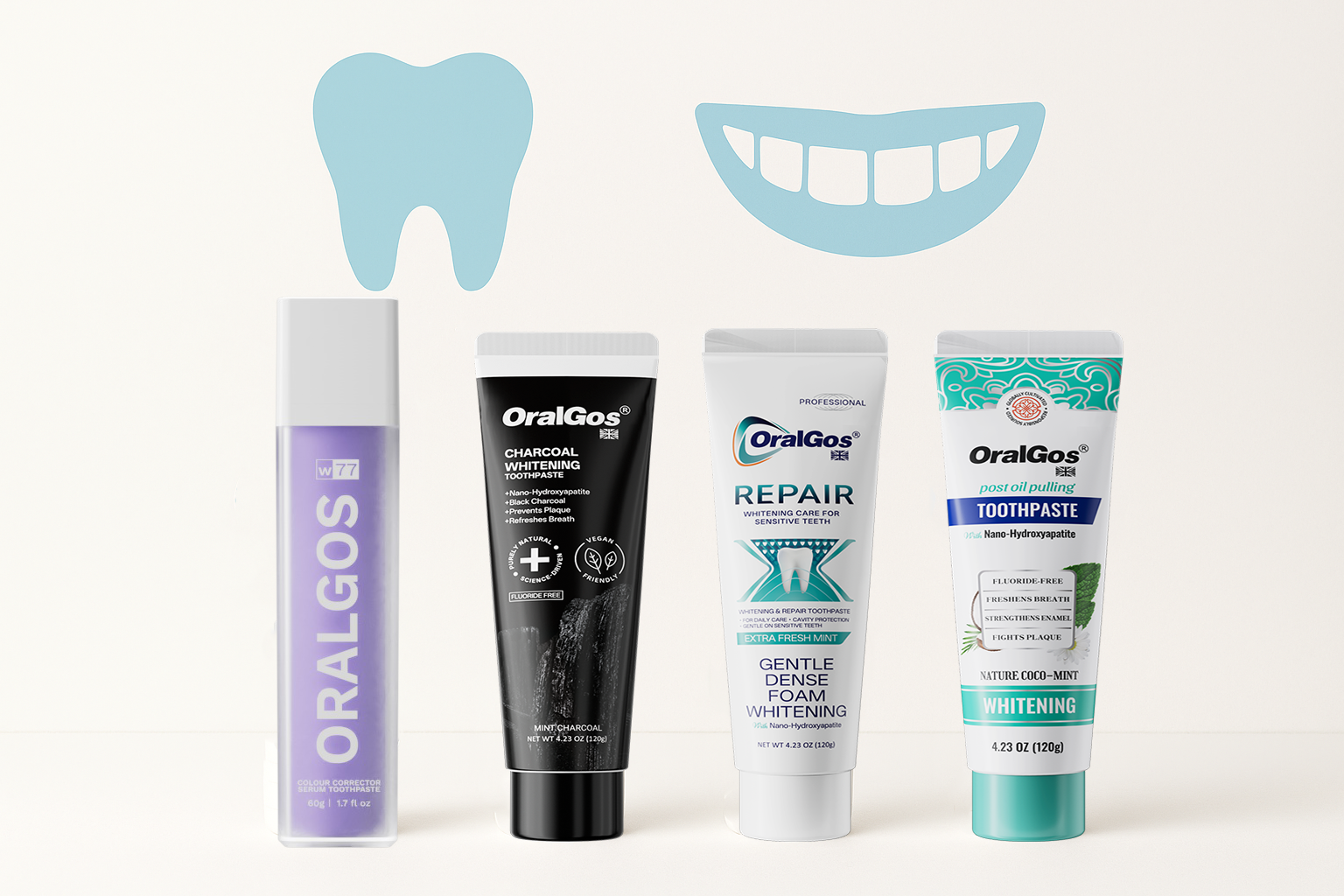
Toothpaste plays a crucial role in controlling bacteria and strengthening enamel. A fluoride-based formula helps protect teeth while reducing plaque formation. You can explore different toothpaste options in the toothpaste collection.
However, brushing alone is not sufficient to fully remove plaque. Flossing removes plaque between teeth where toothbrushes cannot reach. Many people often overlook this step, but it is essential for preventing hidden plaque buildup.
To maximize results:
- Floss at least once daily
- Use gentle up-and-down motions
- Avoid snapping floss into gums
Combining brushing and flossing significantly reduces the risk of plaque buildup over time.

How to Avoid Plaque Buildup with Advanced Cleaning Tools
For deeper cleaning, modern oral care devices can enhance daily routines. A water flosser is especially effective in flushing out food debris and bacteria from tight spaces and gum pockets.
You can learn more about water flossing tools in the water flosser collection.
Water flossers are particularly useful for people with braces, implants, or sensitive gums. When combined with brushing, they offer a powerful defense against plaque buildup.
Professional dental organizations emphasize the importance of combining mechanical cleaning methods with regular dental visits. The American Dental Association also supports this approach for optimal oral health.
Diet and Lifestyle Tips to Reduce Plaque Buildup
Oral hygiene is not only about cleaning, but it also depends on what you eat. Sugary and starchy foods feed bacteria, increasing the risk of plaque formation.
To improve oral health:
- Limit sugary snacks and drinks
- Drink plenty of water throughout the day
- Eat crunchy fruits and vegetables like apples and carrots
- Avoid frequent snacking between meals
Healthy habits reduce bacterial activity and make it easier to control plaque buildup naturally.
Professional Care Matters
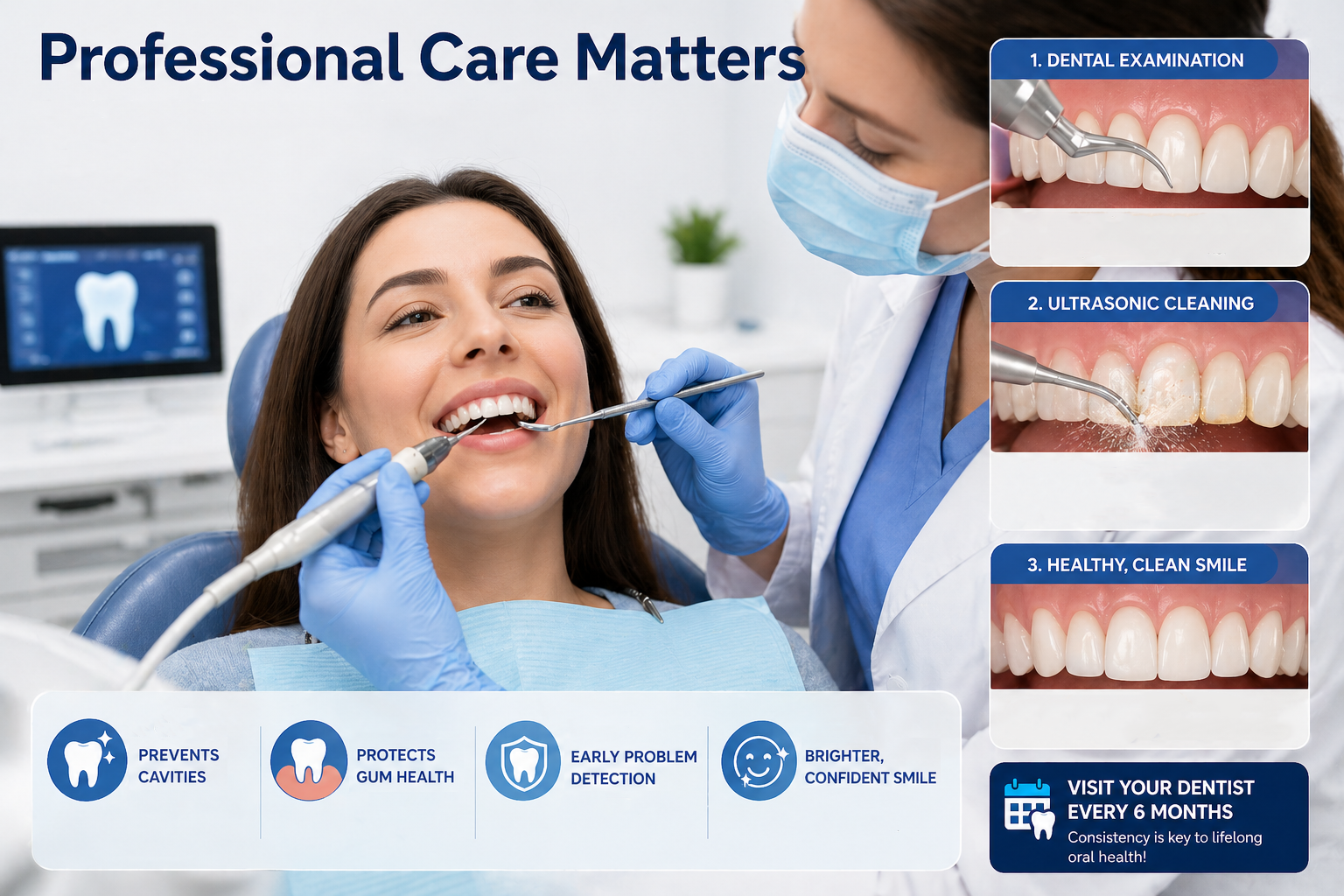
Even with excellent daily care, plaque can still form in hard-to-reach areas. Regular dental check-ups and professional cleanings are essential to fully remove hardened deposits and monitor gum health.
Dentists can detect early signs of plaque-related issues before they become serious. This helps you stay ahead of potential oral health risks.
Conclusion
Learning how to avoid plaque buildup is not complicated. It simply requires consistent habits, the right tools, and daily oral care discipline. By brushing properly and flossing regularly, you can significantly reduce plaque formation. Using supportive tools like water flossers and maintaining a balanced diet will further improve your oral health.
When combined with professional dental care, these habits ensure long-term oral health and a brighter, healthier smile.
Plaque formation may be common, but with the right approach, it is completely manageable and even preventable.