Bad breath is a common oral health concern that affects confidence, communication, and overall social interactions. While occasional odor is normal, persistent bad breath often signals underlying oral hygiene or health issues. The good news is that you can control and prevent bad breath with the right habits and tools.
In this guide, we explore the main causes of bad breath, practical daily routines, and professional solutions. We also include expert insights based on guidance from the American Dental Association.
What Causes Bad Breath?
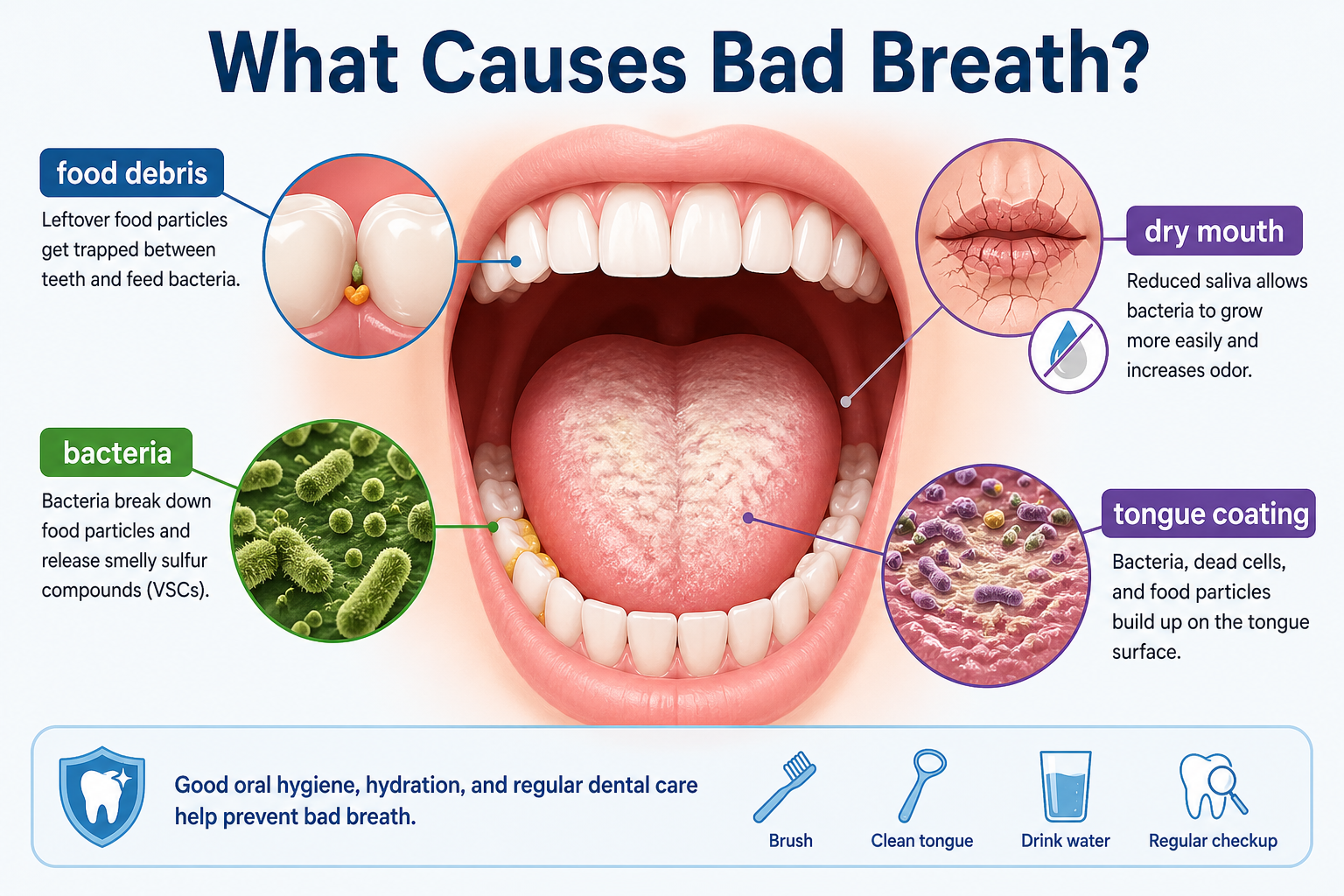
Understanding the root causes of bad breath is the first step toward solving it. Most cases start in the mouth, mainly because of bacteria buildup.
Common causes include:
- Poor oral hygiene leading to plaque buildup
- Food particles trapped between teeth
- Dry mouth (reduced saliva flow)
- Strong-smelling foods like garlic and onions
- Smoking or tobacco use
- Gum disease and tooth decay
When bacteria break down food particles, they release sulfur compounds that create the unpleasant odor associated with bad breath. If not managed properly, this condition can become chronic.
How to Get Rid of Bad Breath Through Daily Oral Care
Good oral hygiene is the most effective way to control oral odor. A consistent routine helps reduce bacteria and maintain a clean oral environment.
Brush Properly Twice a Day
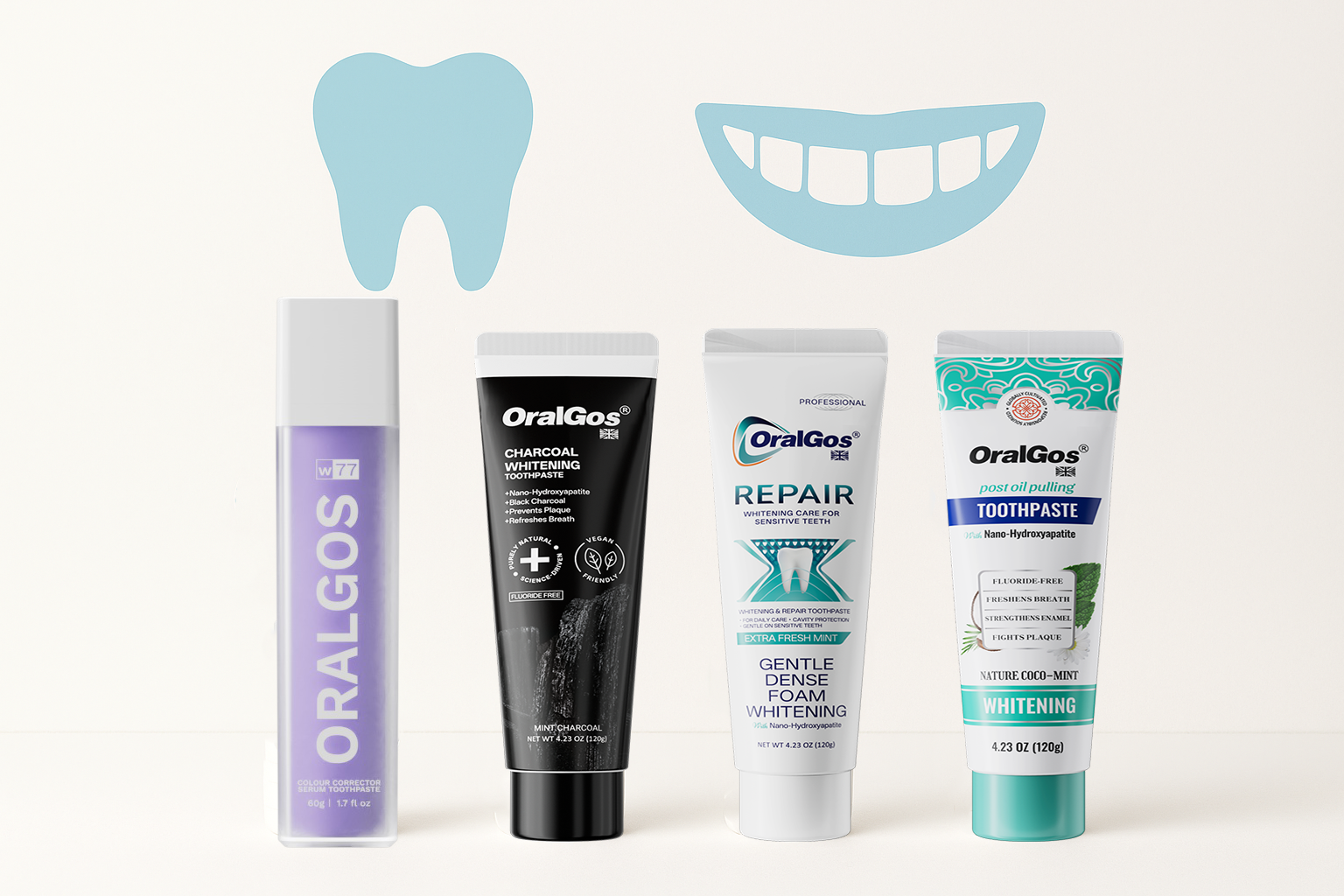
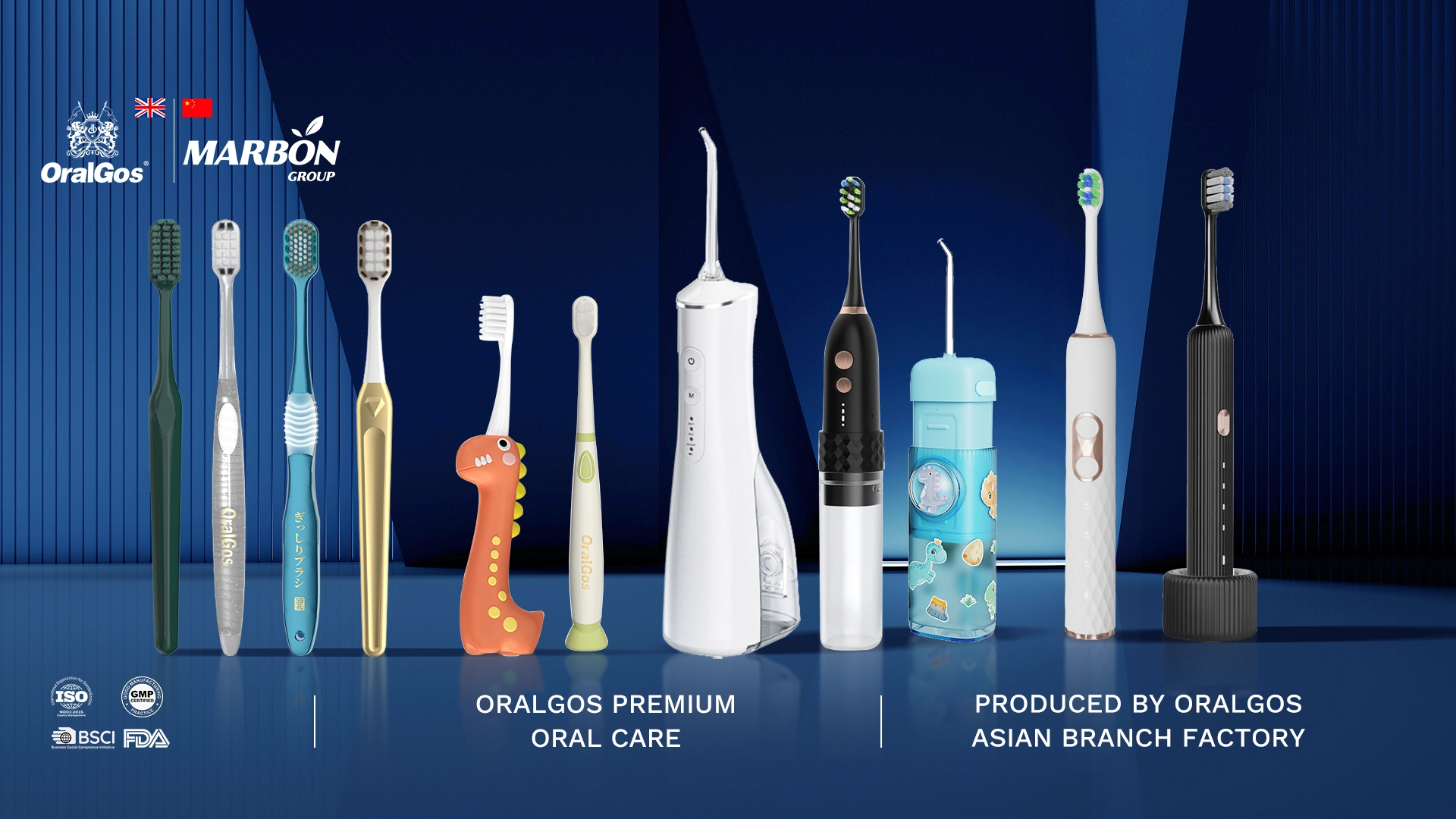
Brushing your teeth thoroughly is essential. Use a toothpaste to remove food debris and bacteria. For example, you can explore options in the OralGos Toothpaste Collection.
Electric toothbrushes can also improve cleaning efficiency, especially in hard-to-reach areas. Explore options like the OralGos Electric Toothbrush Collection for more effective plaque removal.
Brushing alone is not enough, but it is the foundation for controlling oral odor.
Clean Between Teeth Daily
Food particles often remain between teeth even after brushing. This is where bacteria thrive and cause bad breath.
Use tools like floss or a water flosser to clean interdental spaces. A great option is the OralGos Water Flosser Collection, which helps flush out hidden debris and supports healthier gums.
Don’t Forget the Tongue
The tongue holds a large number of bacteria. Gently cleaning it every day significantly reduces bad breath and improves overall oral freshness.
How Lifestyle Habits Affect Bad Breath
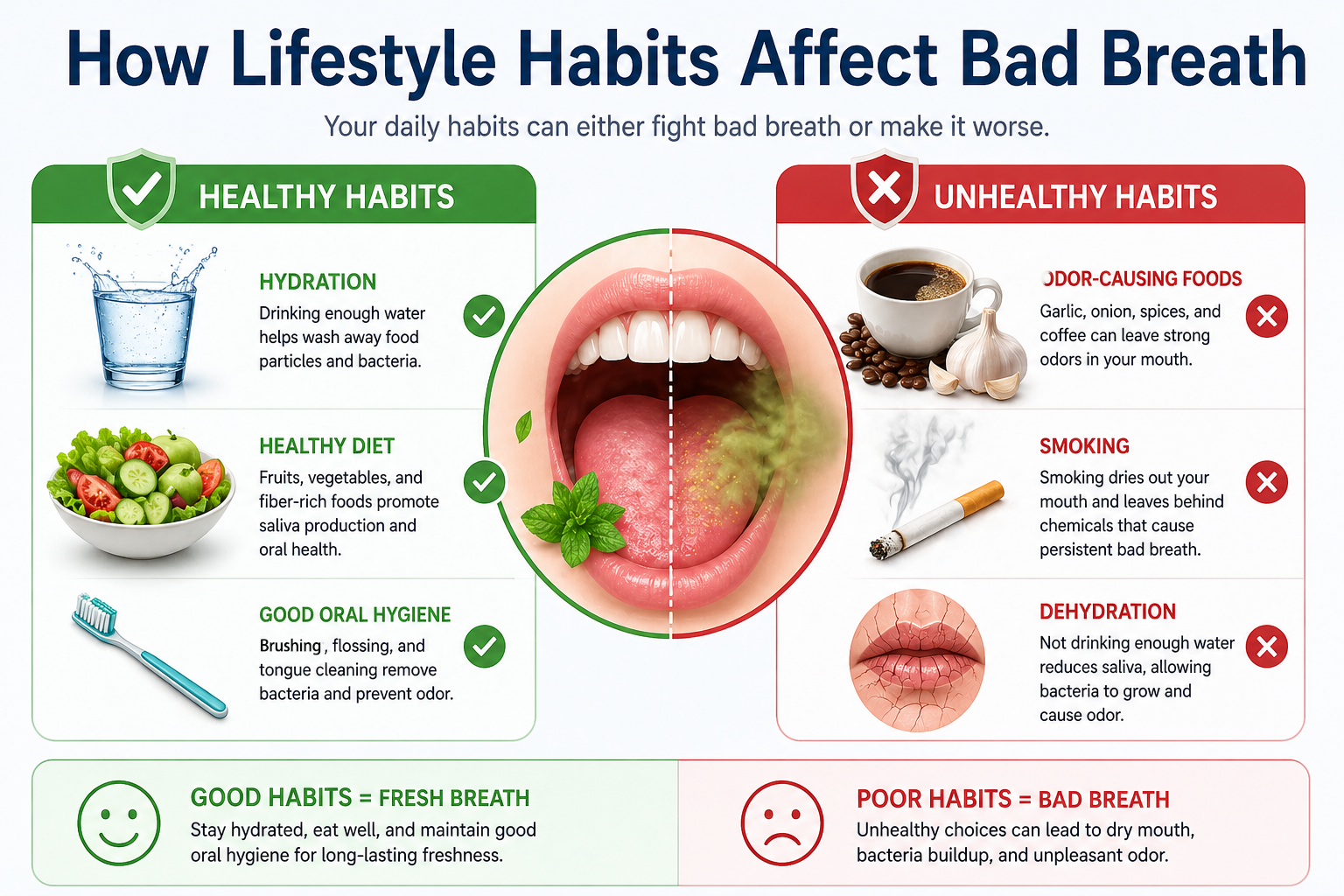
Beyond brushing, lifestyle choices play a major role in controlling oral odor.
Stay Hydrated
Dry mouth increases bacterial activity. Drinking enough water helps maintain saliva flow, which naturally cleans the mouth and reduces oral odor.
Watch Your Diet
Certain foods increase odor production. Reducing sugar intake and balancing your diet helps control bacteria growth. Crunchy fruits and vegetables also act as natural cleansers.
Avoid Smoking
Tobacco not only leaves a strong odor but also damages gum tissue. Smokers are more likely to experience persistent bad breath because of reduced saliva flow and bacterial imbalance.
Professional Solutions for Persistent Bad Breath
If daily care does not fully control oral odor, professional intervention may be needed.
Dentists can:
- Identify gum disease or tooth decay
- Provide deep cleaning treatments
- Recommend antibacterial mouth rinses
- Check for underlying medical conditions
Regular dental visits help prevent oral health issues and control chronic bad breath. The American Dental Association strongly recommends them.
Advanced Oral Care Tools for Better Results
Modern oral care products can significantly improve your routine.
For example:
- Manual brushing options: OralGos Manual Toothbrush Collection provide simple and effective cleaning
- Electric toothbrushes enhance plaque removal efficiency
- Water flossers improve gum health and reduce hidden bacteria
Combining these tools creates a stronger defense against oral odor compared to brushing alone.
Building a Long-Term Strategy Against Bad Breath
Getting rid of bad breath is not about a single action but consistent habits. A complete routine should include:
- Brushing twice daily
- Cleaning between teeth
- Using tongue care tools
- Staying hydrated
- Regular dental check-ups
When these steps become part of your daily lifestyle, bad breath becomes much easier to control and prevent.
Conclusion
Bad breath is a manageable condition when addressed with proper care and awareness. To reduce bad breath, improve oral hygiene, adjust your lifestyle habits, and use effective dental tools.
Consistency is key. Small daily actions lead to long-term oral freshness and confidence.