Many people believe that brushing immediately after meals is the best way to keep teeth clean and fresh. However, research and dental professionals suggest a different story. In fact, brushing teeth after eating too soon may do more harm than good, especially for your enamel.
Tooth enamel is the hardest substance in the human body, but acids and brushing can still damage it. After eating, especially acidic foods, enamel becomes temporarily softened. Brushing during this vulnerable period can gradually wear it down, leading to sensitivity, yellowing, and long-term damage.
Understanding the right timing and technique is essential for maintaining a healthy smile without harming your teeth by accident.
Brushing Teeth After Eating: Why Timing Matters
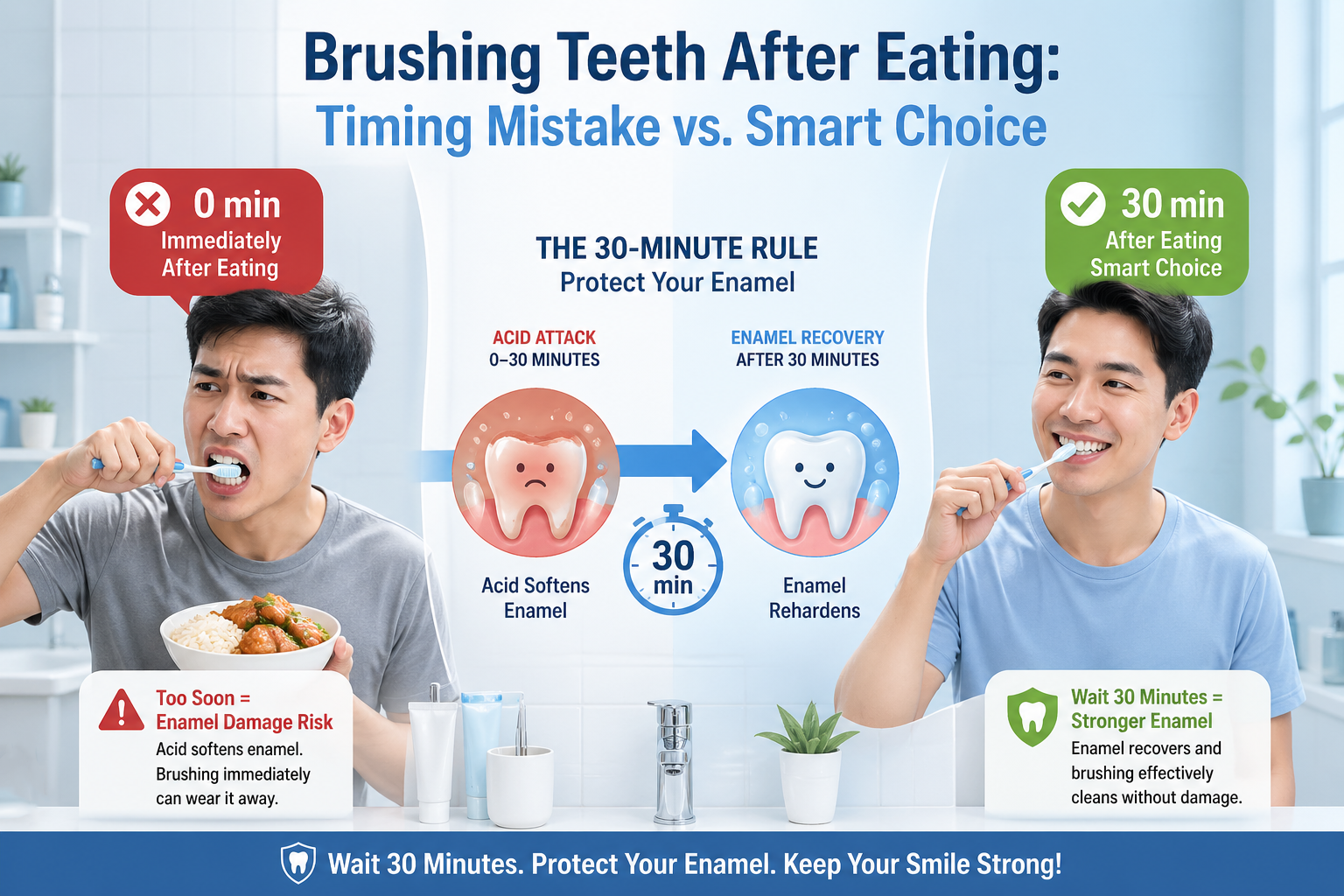
When you eat, your mouth’s pH level drops because of acids from food and bacteria. This acidic environment temporarily weakens enamel. According to the American Dental Association, enamel needs time to reharden before brushing should begin.
If you brush too soon, the bristles may scrub away softened enamel instead of just removing plaque. This is especially true after consuming citrus fruits, soda, wine, or sugary foods.
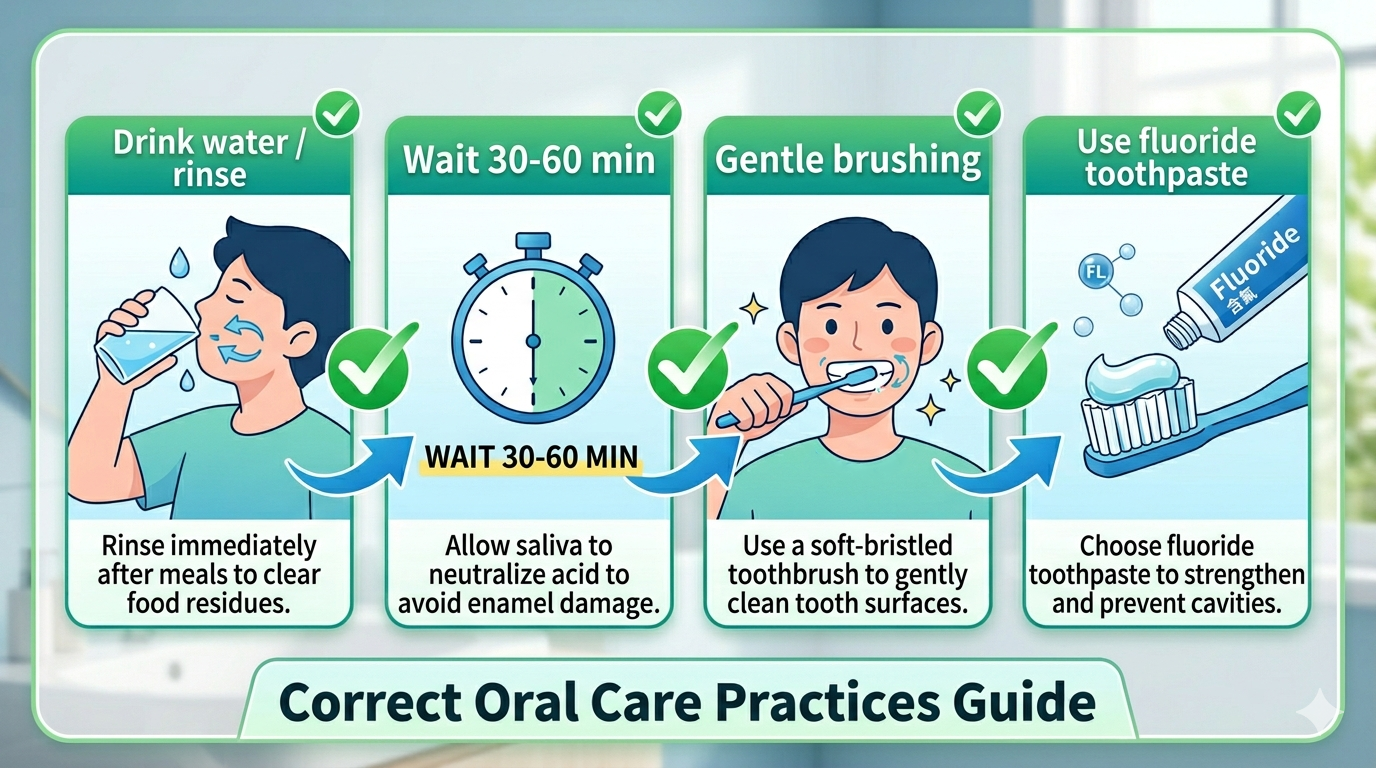
A safer approach is to wait at least 30–60 minutes before brushing. During this time, saliva naturally neutralizes acids and helps restore enamel strength.
This is why dental experts often warn against brushing teeth immediately after eating. It may feel like the most hygienic habit, but it can harm enamel.
The enamel weak point window
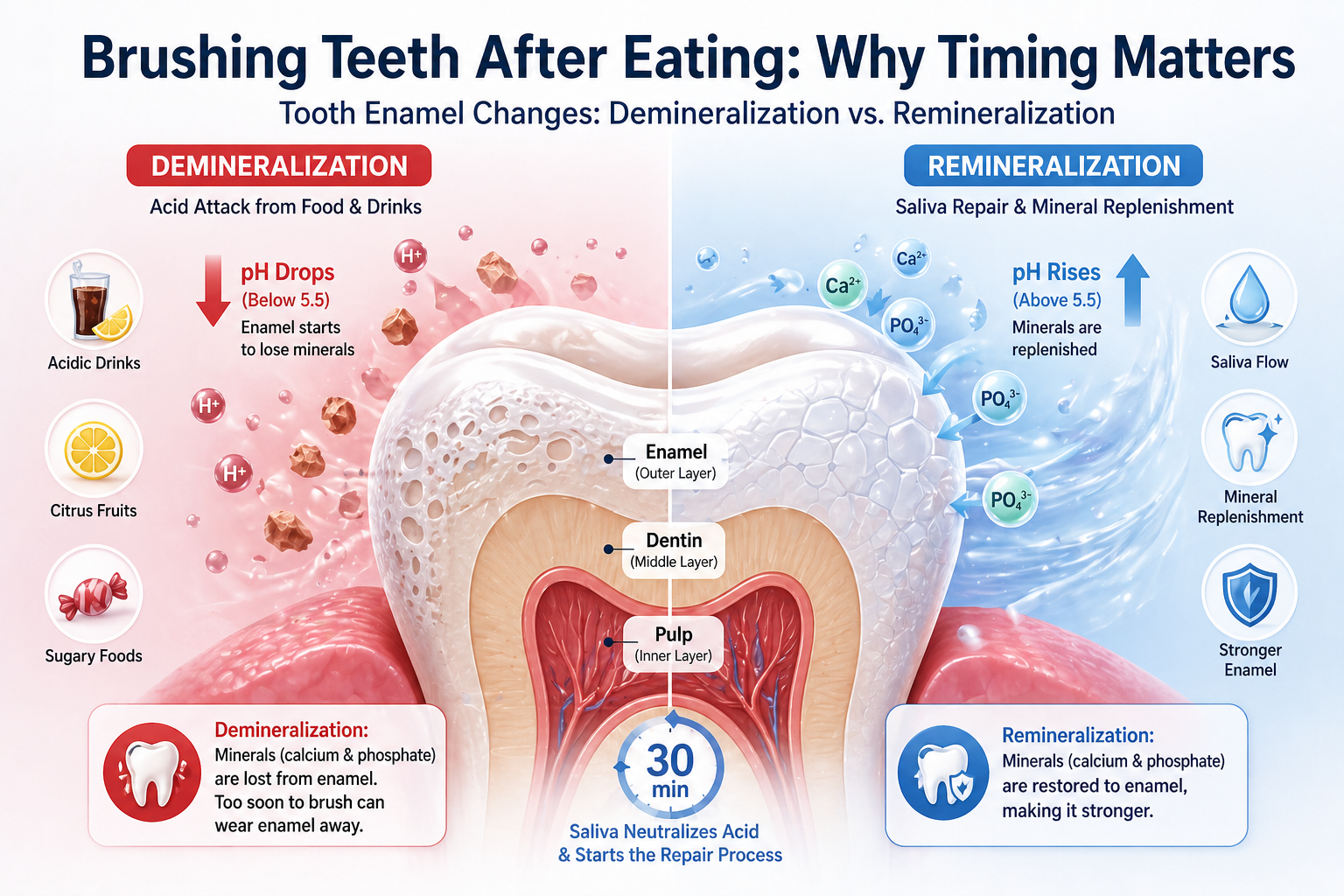
After eating, enamel enters what dentists call a “demineralization phase.” During this phase, acids in the mouth temporarily remove calcium and phosphate from the tooth surface.
If you brush during this window, you may accelerate enamel erosion. Over time, this can lead to:
- Increased tooth sensitivity
- Higher risk of cavities
- Teeth may yellow because enamel becomes thinner
Instead of rushing to brush, rinse your mouth with water or chew sugar-free gum to stimulate saliva production.
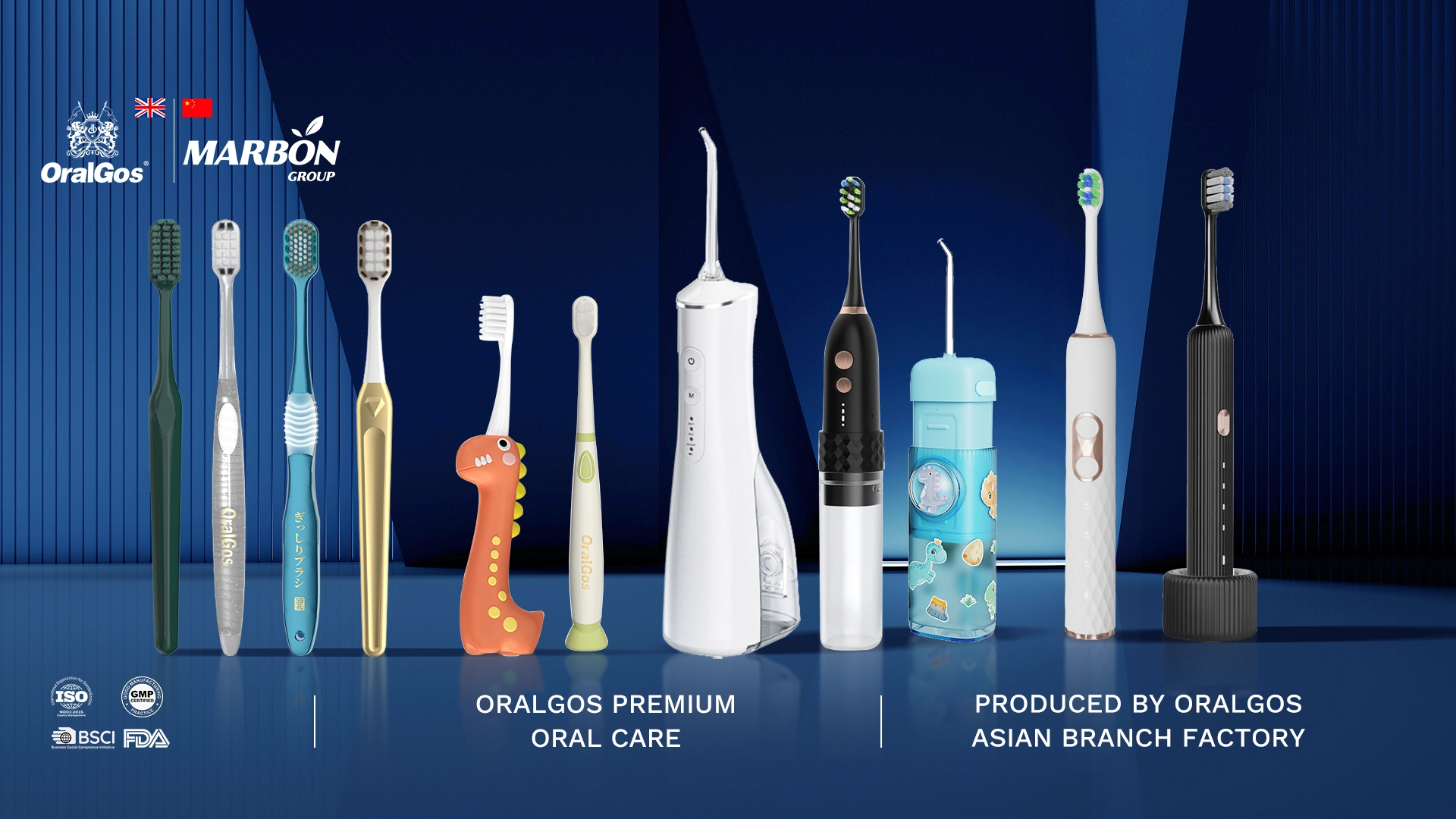
For gentler oral care during sensitive periods, you may consider exploring a soft-bristle option like a manual toothbrush.
Or upgrade to a more controlled cleaning experience with an electric toothbrush.
When Brushing Teeth After Eating Becomes Risky
The risk of enamel damage increases depending on what you eat. Acidic and sugary foods are the biggest triggers. Common examples include:
- Citrus fruits (oranges, lemons)
- Carbonated drinks
- Vinegar-based foods
- Sweets and desserts
When you brush immediately after consuming these foods, you are essentially scrubbing acid-softened enamel. This is why dental professionals particularly discourage brushing teeth after eating acidic meals.
Instead, dental experts recommend rinsing your mouth first and waiting before brushing. This simple habit significantly reduces long-term enamel wear.
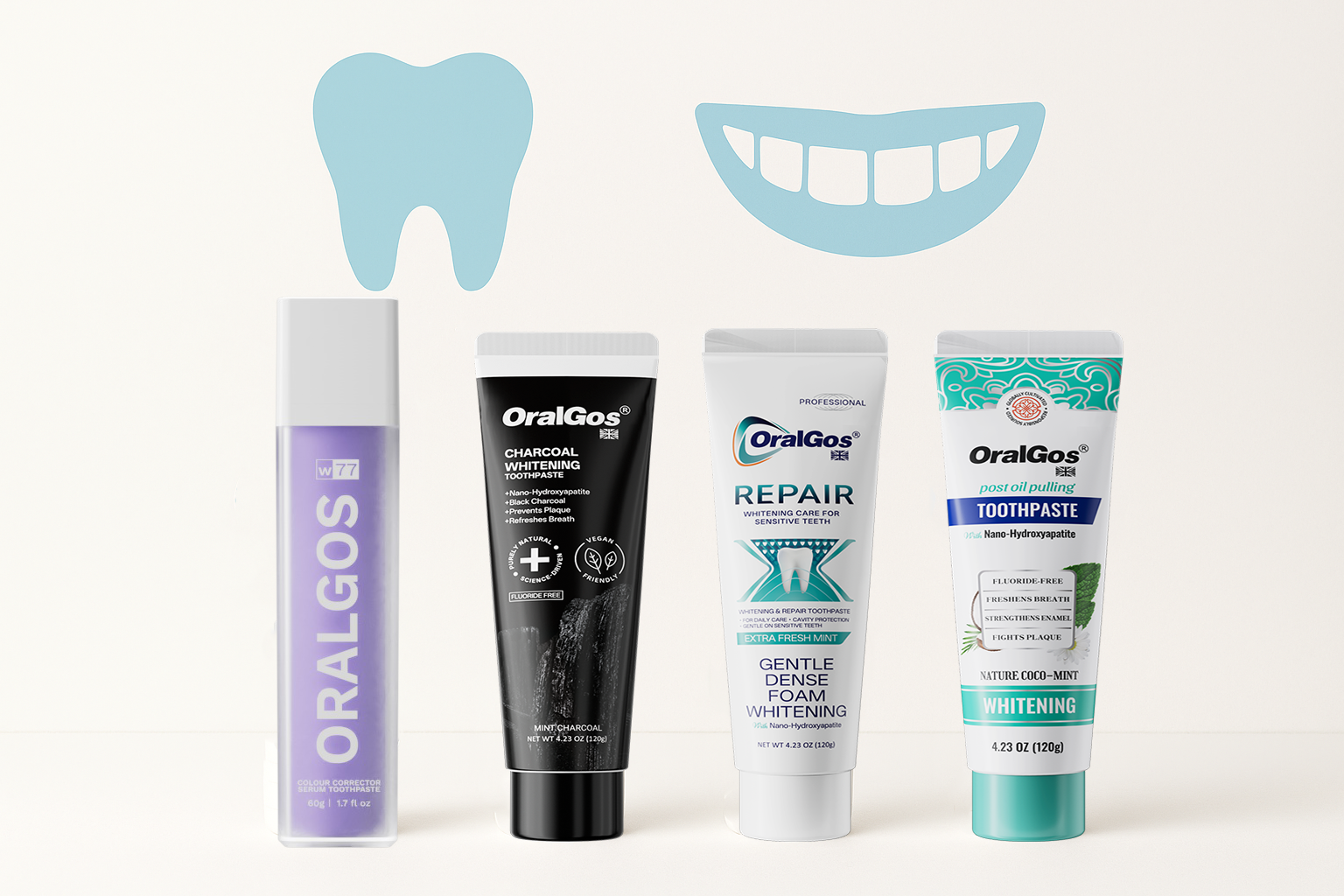
You can also support enamel health by using fluoride or strengthening toothpaste, which helps protect tooth surfaces over time.
Better habits for enamel protection
To avoid damaging your teeth, consider these science-backed habits:
- Wait at least 30–60 minutes before brushing
- Drink water immediately after eating
- Chew sugar-free gum to stimulate saliva
- Avoid aggressive brushing pressure
These small adjustments help preserve enamel while still keeping your mouth clean and fresh.
Brushing Teeth After Eating: Smarter Oral Care Strategy
The key is not to avoid brushing after meals entirely, but to time it correctly. Morning and nighttime brushing remain the most important routines. You should adjust your midday brushing based on what you eat.
If you had a non-acidic meal, brushing sooner may not be harmful. However, after acidic foods, patience is essential.
Over time, improving your timing habits can protect your enamel far more effectively than brushing more frequently.
In fact, dentists emphasize that consistency and technique matter more than brushing immediately.
So the next time you want to brush right after eating, pause and let your enamel recover.
Final Thoughts
The habit of brushing teeth after eating may seem harmless, but timing plays a critical role in enamel health. Brushing too soon can weaken tooth structure, while waiting allows natural repair processes to occur.
You can maintain a brighter, healthier smile for years to come. To do this, understand how enamel reacts to acids and adjust your routine.
Effective oral care depends not only on how often you brush, but also on how you brush.