Natural oral care is a growing trend in recent years. More consumers question synthetic ingredients. Many are switching to plant-based or “clean label” options. But the real question remains: are natural toothpastes effective for long-term oral health, cavity prevention, and enamel protection?
Natural formulations often claim gentler ingredients and eco-friendly benefits. However, their effectiveness is best evaluated through clinical outcomes, including plaque control, fluoride support (or alternatives), and gum health over time. In this article, we break down the science, benefits, and limitations to help you make a more informed decision.
Are natural toothpastes actually effective?
To judge whether natural toothpastes are effective, we need to examine how well they remove plaque and prevent tooth decay. Most natural toothpastes use ingredients like baking soda, coconut oil, herbal extracts, or charcoal. They often replace synthetic foaming agents and fluoride with these alternatives.
According to dental research and the American Dental Association, fluoride remains a highly proven ingredient for preventing cavities and protecting enamel. Many natural toothpastes exclude fluoride entirely. Others replace it with alternatives that do not have the same level of long-term clinical validation.
That said, natural toothpastes can still be effective for surface cleaning and freshening breath. Their abrasives can help remove stains, and botanical ingredients may offer antibacterial properties. However, their performance in preventing cavities may vary significantly depending on formulation quality.
In short, when asking whether natural toothpastes are effective, the answer is partially yes, but with important limitations compared to scientifically optimized formulations.
Factors that determine whether are natural toothpastes effective
The effectiveness of natural toothpaste depends on several key factors:
1. Active ingredient strength
Not all natural ingredients perform equally. For example, baking soda provides mild abrasiveness and pH balancing effects, while herbal extracts may offer antimicrobial benefits but limited enamel protection.
2. Presence of fluoride or alternatives
Fluoride is widely recognized for strengthening enamel and preventing decay. Without it, users must rely on strict brushing habits and diet control to maintain similar protection levels.
3. Abrasivity level
Some natural toothpastes use charcoal or silica-based abrasives. If too abrasive, they may wear enamel over time, especially with aggressive brushing.
4. Consistency of use
Natural toothpastes may be effective in theory. However, real-world results depend heavily on daily habits, brushing technique, and overall oral hygiene.
5. Professional formulation standards
Not all “natural” products are clinically tested. Some lack rigorous quality control compared to mainstream dental brands.
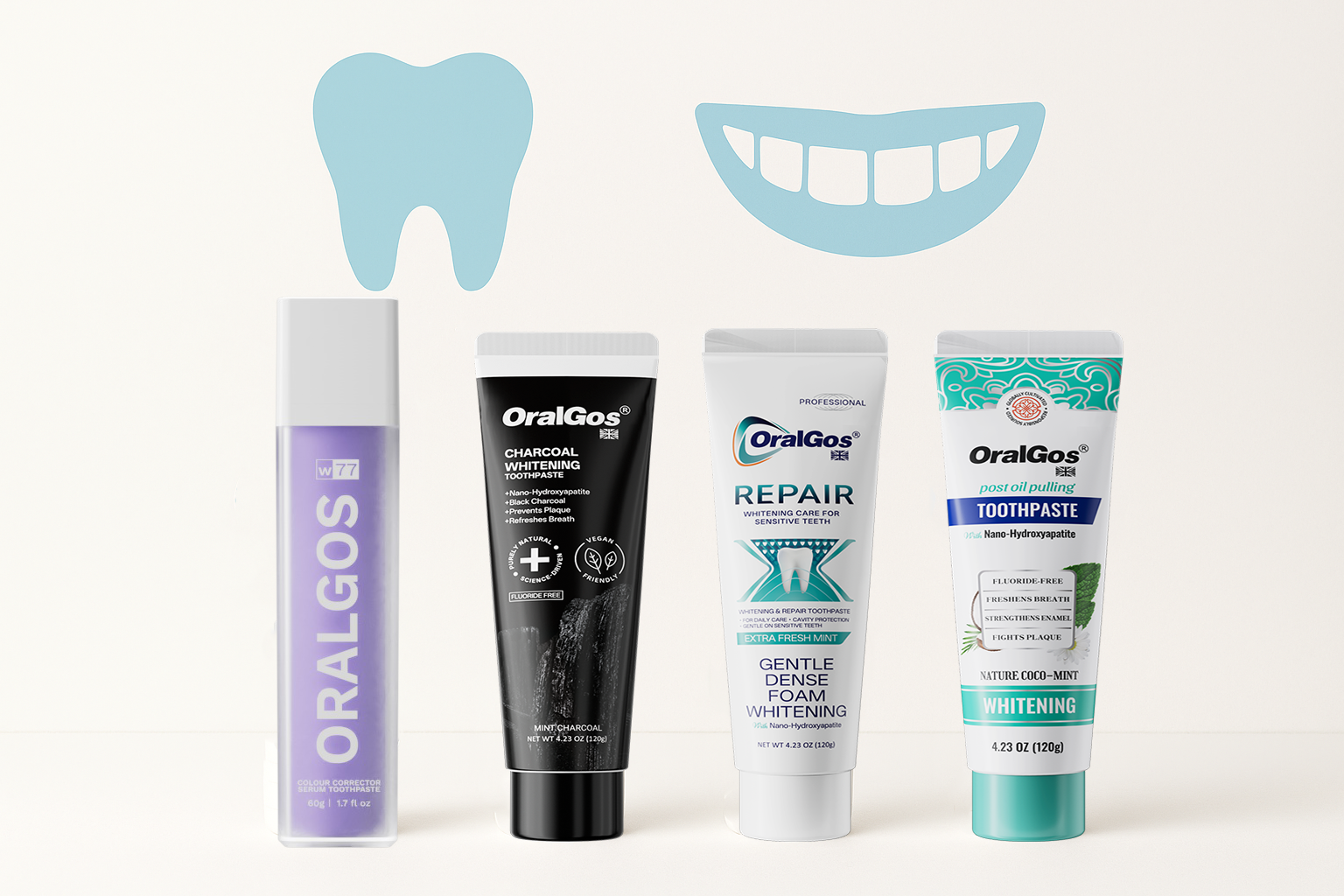
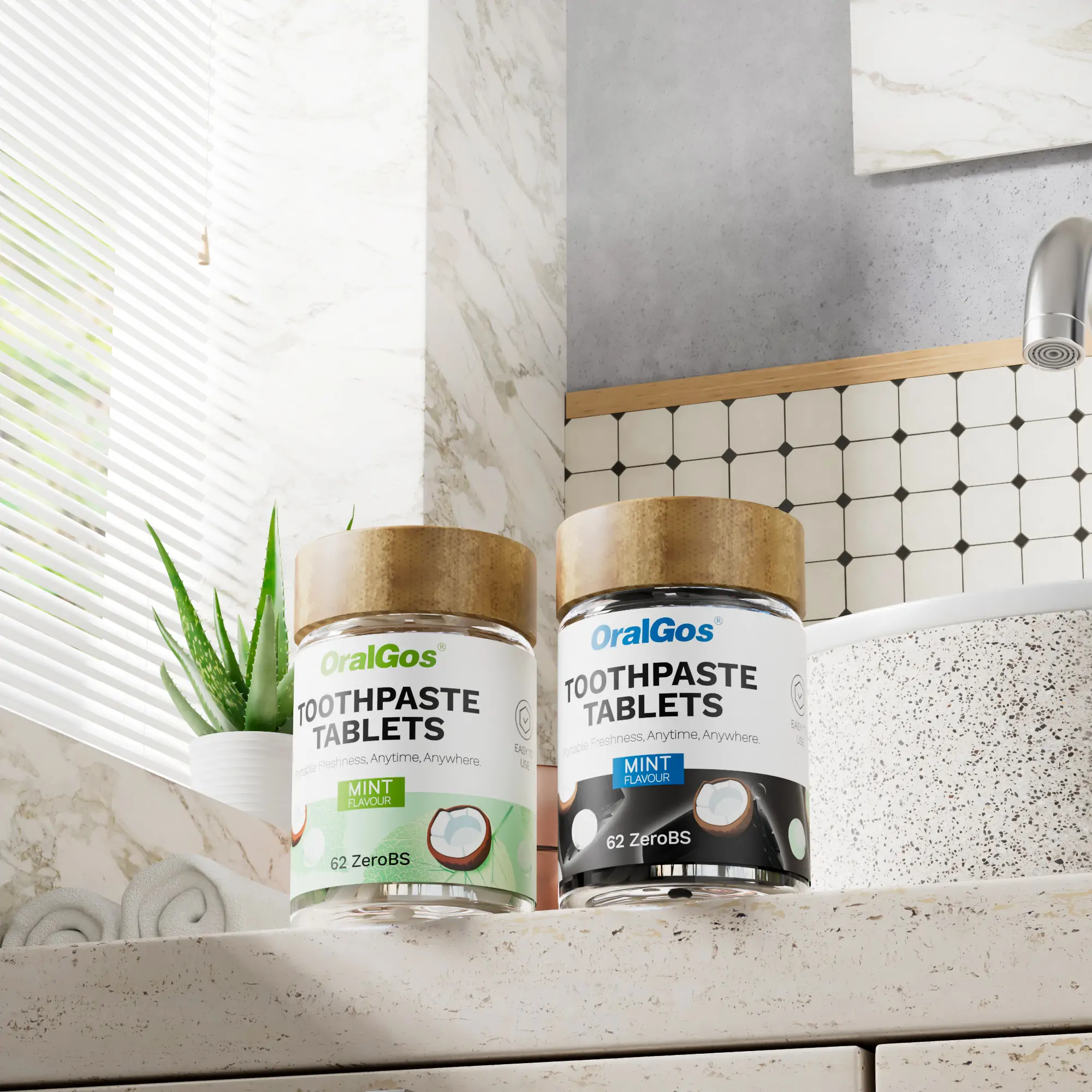
For consumers looking for a balanced option, professionally formulated toothpaste can be a good choice. You can explore a curated selection in this toothpaste collection.
Benefits and limitations of natural toothpaste
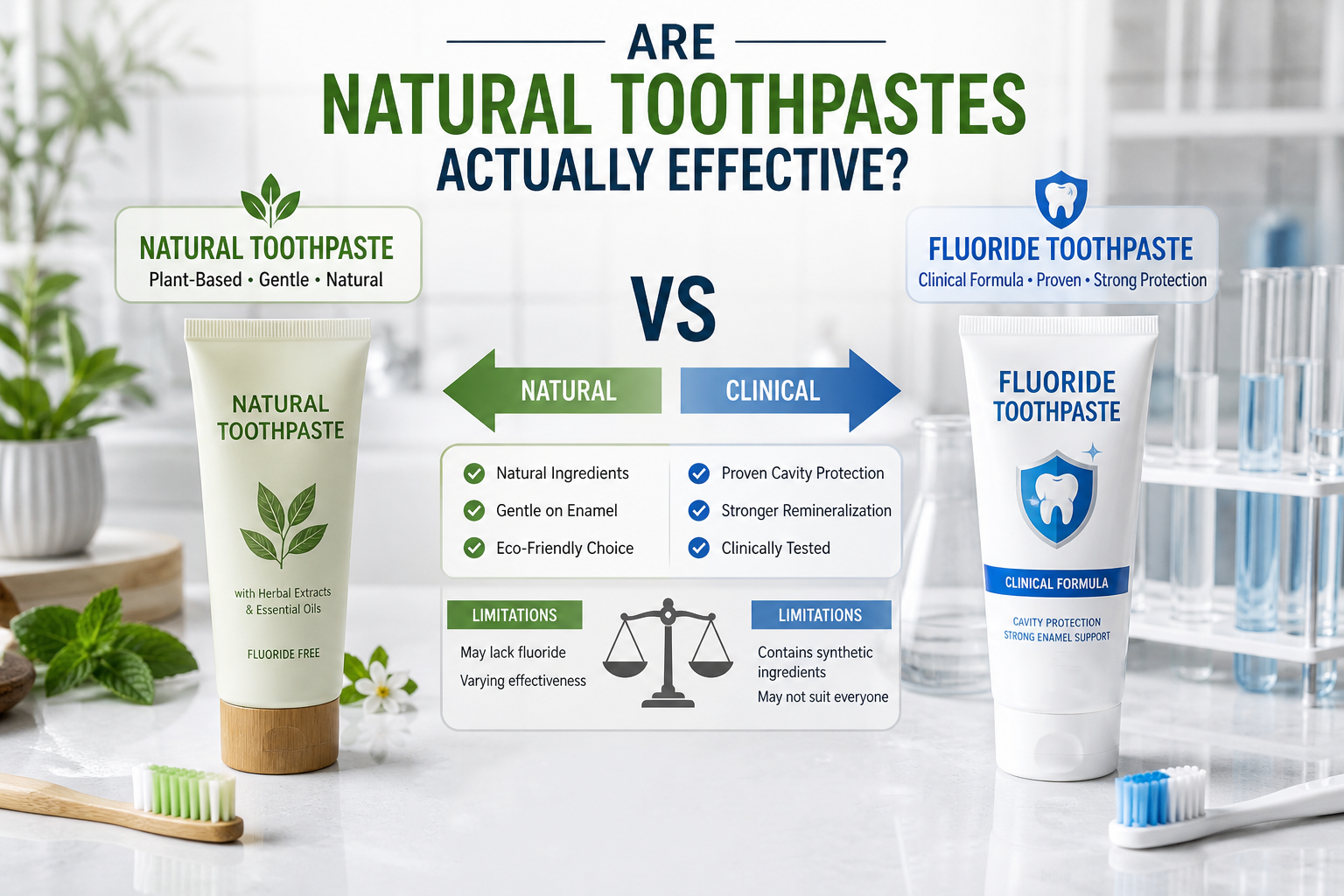
Natural toothpaste is not inherently ineffective; it simply serves a different purpose in many cases.
Benefits:
- Fewer synthetic chemicals
- Often gentler on sensitive gums
- Eco-friendly options that break down naturally
- Pleasant natural flavors from plant extracts
Limitations:
- May lack fluoride protection
- Inconsistent scientific validation
- Variable whitening effectiveness
- Potentially higher abrasivity in some formulas
So again, when evaluating are natural toothpastes effective, it is important to separate marketing claims from clinical performance.
What dentists say about natural toothpaste choices
Most dental professionals emphasize that prevention is more important than branding. Regular brushing, flossing, and professional checkups remain the foundation of oral health.
Organizations like the American Dental Association consistently highlight fluoride toothpaste as the gold standard for cavity prevention. However, they also acknowledge that non-fluoride or natural alternatives may be acceptable for individuals with low cavity risk or specific ingredient sensitivities.
This means the answer is not universal. Whether natural toothpastes are effective depends on your oral health profile, diet, and brushing habits.
Final verdict: are natural toothpastes effective?
The effectiveness of natural toothpastes in real-world use remains a key consideration. The answer lies somewhere in the middle. They can support oral hygiene, reduce surface stains, and offer a gentler brushing experience. However, they may not consistently match fluoride-based toothpaste in preventing cavities and strengthening enamel.
Ultimately, the best choice is a balanced one. It should match your sensitivity needs, risk level, and long-term dental goals.
If you are considering switching, focus less on “natural vs synthetic” and more on proven effectiveness, ingredient transparency, and professional recommendations. Because in oral care, results matter more than labels, and consistency always wins.