At first glance, oral hygiene and aging may seem like two unrelated topics. However, new research shows a clear link between oral health and how fast the body shows signs of aging. The concept of bad oral hygiene aging goes beyond yellow teeth. It involves inflammation, systemic effects, and long-term health issues that can speed up both visible and biological aging.
How Bad Oral Hygiene Aging Affects Your Appearance
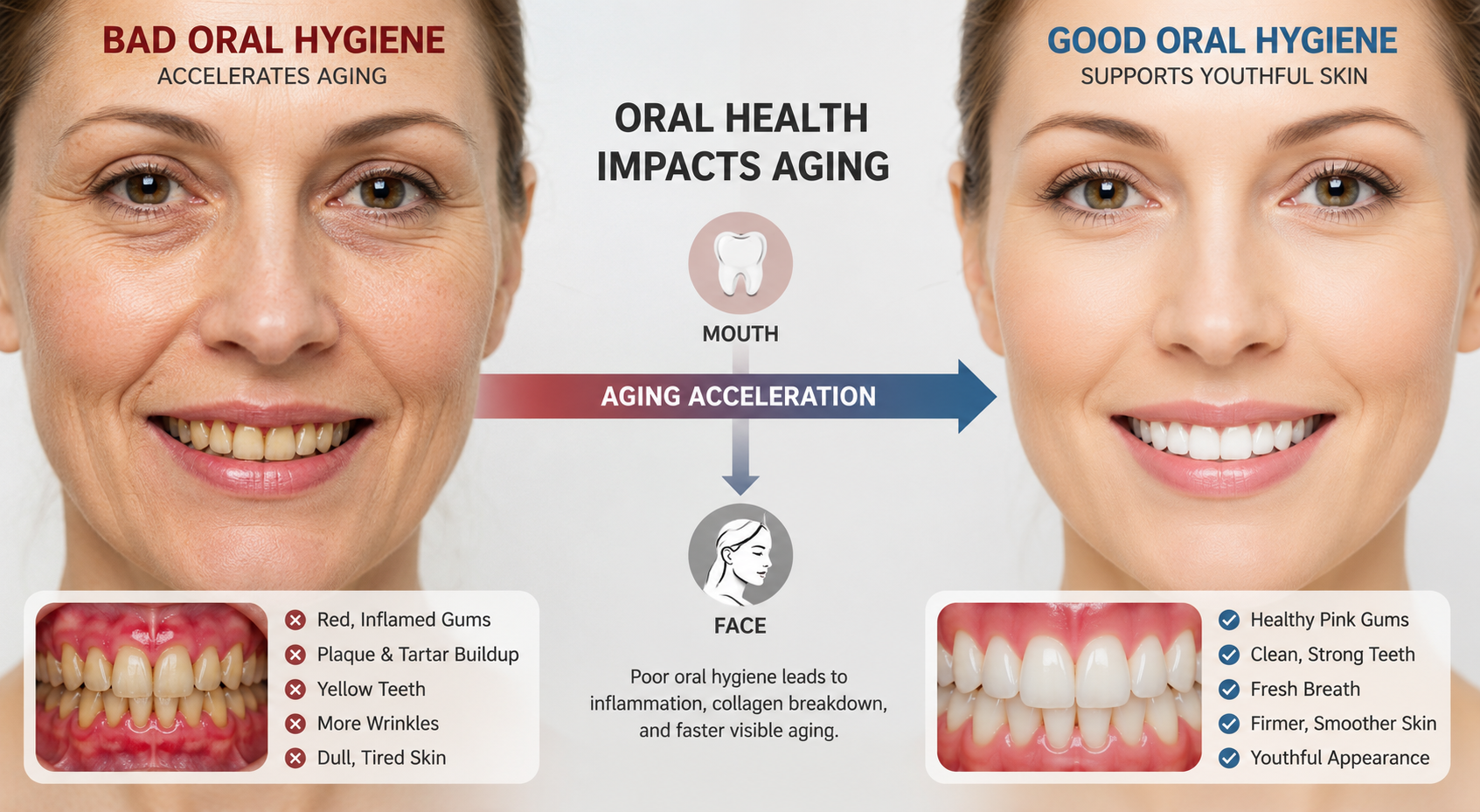
The visible signs of aging often include wrinkles, sagging skin, and a dull complexion. What many overlook is how oral health contributes to these changes.
Poor oral hygiene leads to plaque buildup, gum inflammation, and eventually periodontal disease. These conditions can trigger chronic inflammation in the body. This inflammation breaks down collagen, the protein that keeps skin firm and youthful.
As a result, individuals experiencing bad oral hygiene aging may notice:
- Increased facial sagging
- Deeper wrinkles around the mouth
- Loss of jawline definition
- A prematurely aged smile
Additionally, missing or damaged teeth can lead to changes in facial structure. This may cause the lower face to appear sunken, a feature often associated with advanced aging.
The Science Behind Bad Oral Hygiene Aging
The connection between oral health and aging is largely driven by inflammation and bacteria. Harmful oral bacteria can enter the bloodstream through bleeding gums, contributing to systemic inflammation.
According to the American Dental Association (ADA), good oral hygiene is important for oral health and overall well-being. Chronic oral infections have been linked to several serious conditions, including cardiovascular disease, diabetes, and cognitive decline. These conditions are all linked to faster aging.
This biological process reinforces the idea that bad oral hygiene aging is not just cosmetic but deeply systemic.
Bad Oral Hygiene Aging and Gum Disease
Why Gum Health Matters for Aging
Gum disease, or periodontitis, is one of the most common outcomes of poor oral care. It starts with gingivitis, which is a mild inflammation, and can progress into severe tissue and bone loss.
When gums recede, teeth appear longer, giving an older appearance. At the same time, the supporting structures weaken, increasing the risk of tooth loss.
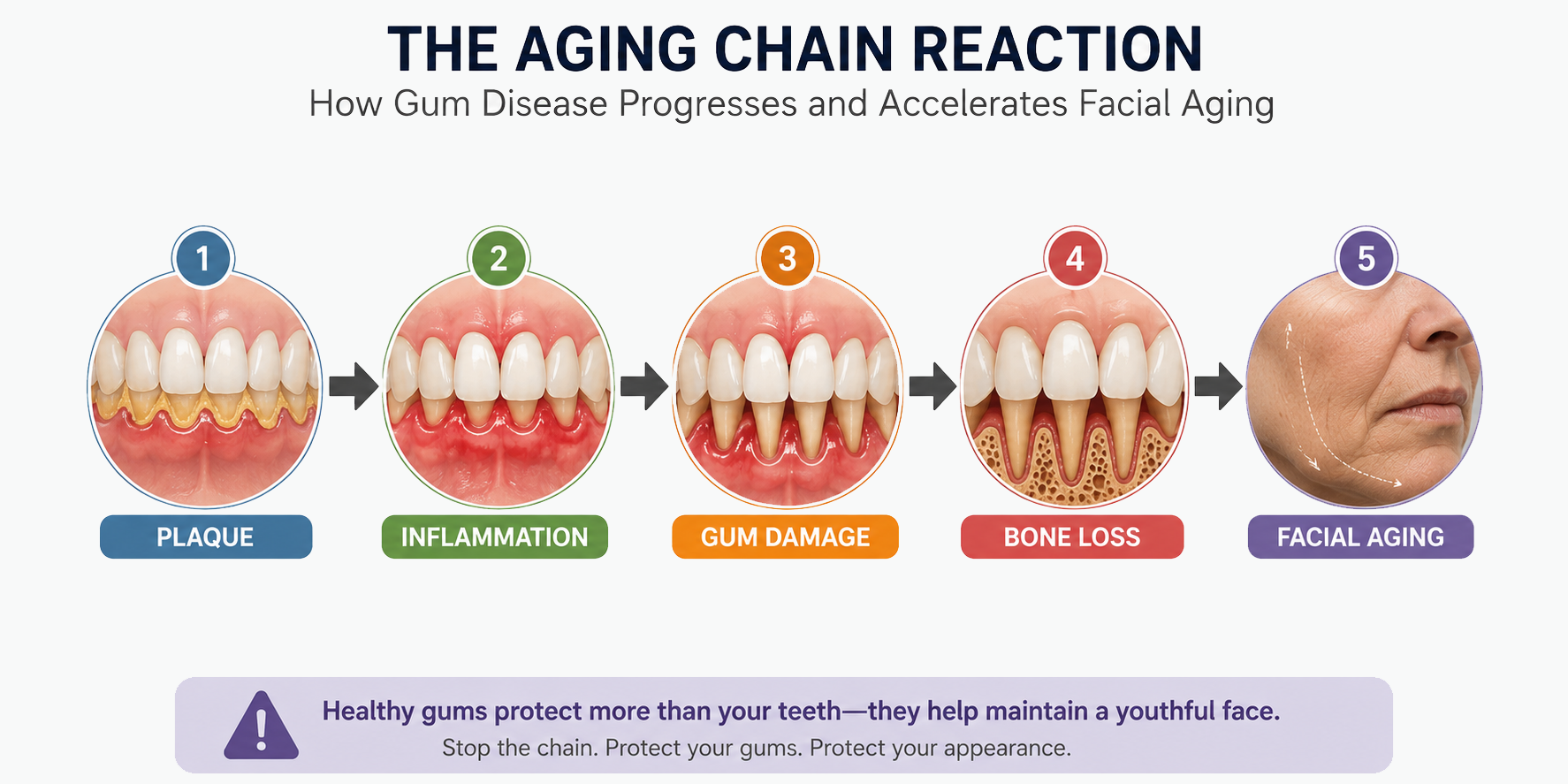
The Aging Chain Reaction
The progression of gum disease creates a chain reaction:
- Plaque buildup leads to inflammation
- Inflammation damages gum tissue
- Tissue loss exposes tooth roots
- Bone loss alters facial structure
This cascade significantly contributes to bad oral hygiene aging, both visually and functionally.
Daily Habits That Accelerate Bad Oral Hygiene Aging
Certain everyday habits can unknowingly speed up the aging process through poor oral care:
- Skipping brushing or brushing improperly
- Not flossing or ignoring interdental cleaning
- Using worn-out toothbrushes
- Consuming high-sugar diets without proper cleaning
- Smoking or excessive alcohol consumption
These habits create an environment where bacteria thrive, increasing the likelihood of inflammation and long-term damage.
How to Prevent Bad Oral Hygiene Aging
The good news is that preventing bad oral hygiene aging is both achievable and cost-effective. It starts with building a consistent and effective oral care routine.
1. Upgrade Your Oral Care Tools
Using the right products can significantly improve cleaning efficiency:
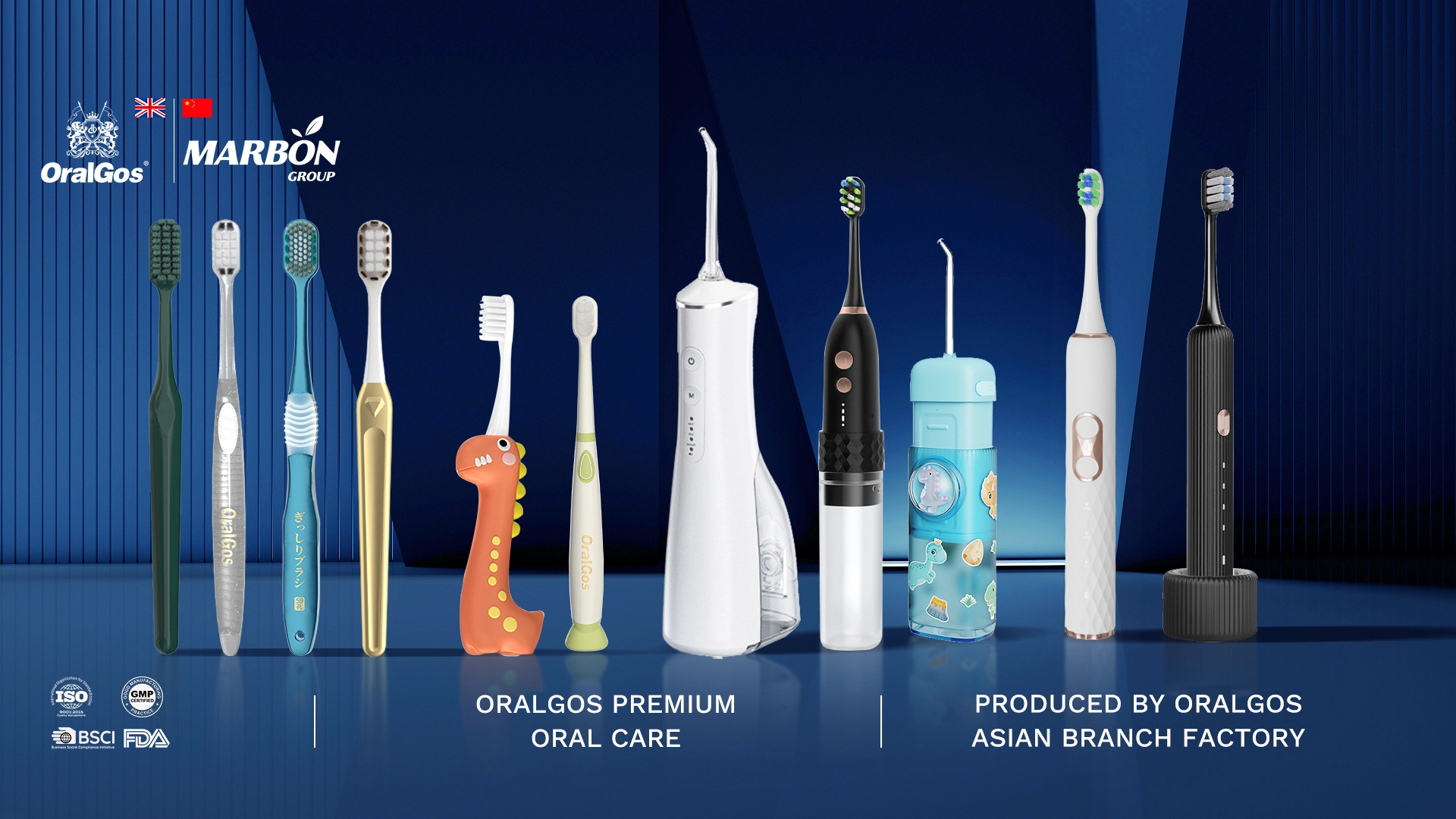
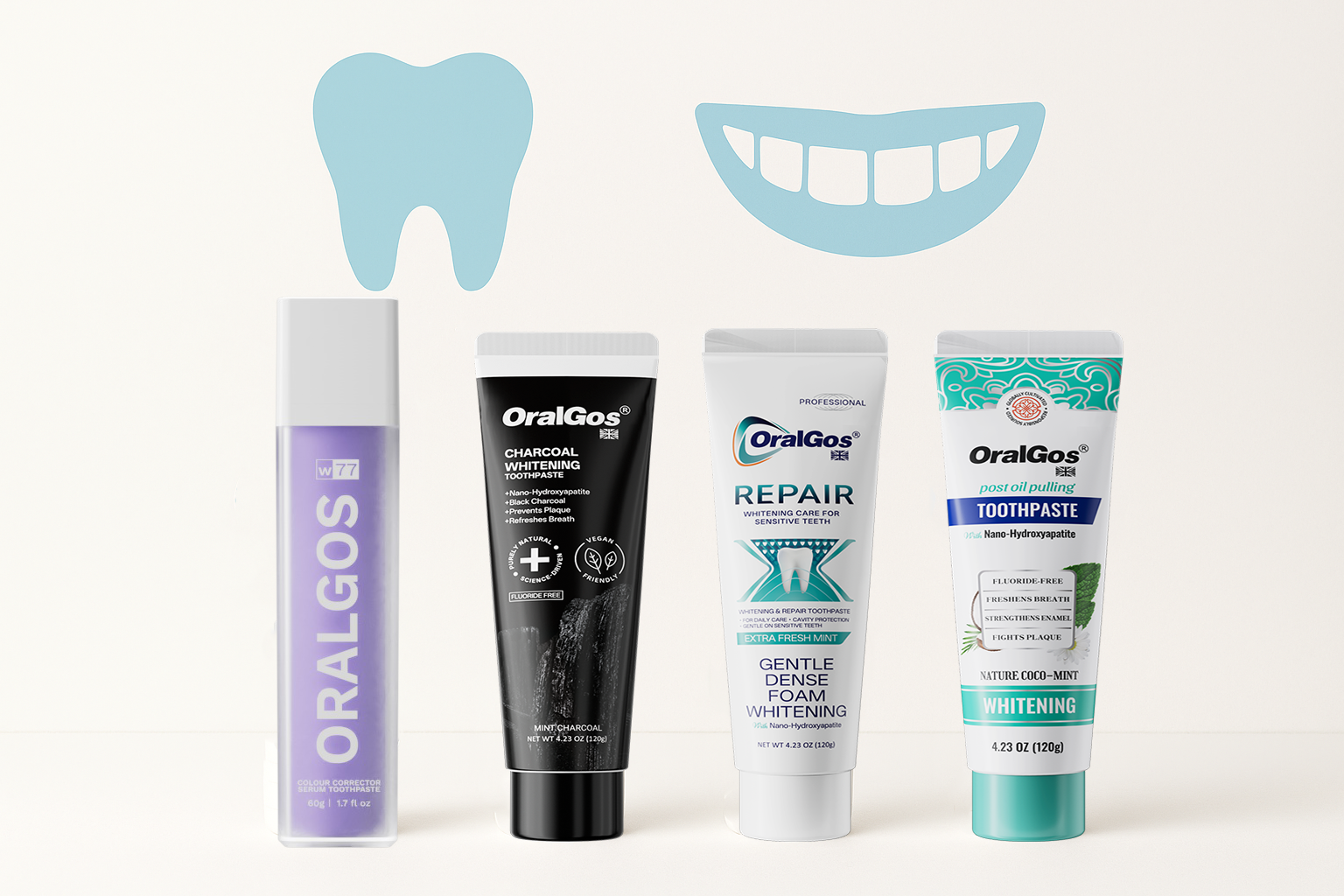
- Choose high-quality toothpaste for enamel protection and bacterial control
- Replace manual toothbrushes regularly or switch to advanced designs for better plaque removal
- Consider electric toothbrushes for more consistent cleaning performance
- Incorporate water flossers to clean hard-to-reach areas and reduce gum inflammation
2. Follow a Consistent Routine
Brush at least twice daily using proper technique, and clean between teeth once a day. Consistency is key to reducing bacterial buildup and preventing inflammation.
3. Maintain Regular Dental Visits
Professional cleanings and early detection play a crucial role in minimizing long-term damage. Dentists can identify early signs of gum disease before they contribute to visible aging.
4. Support Oral Health with Lifestyle Choices
A balanced diet rich in vitamins, hydration, and reduced sugar intake supports both oral and skin health. Avoiding smoking also significantly reduces inflammation levels.
The Bigger Picture: Oral Health as an Anti-Aging Strategy
Modern wellness trends increasingly focus on holistic health, and oral care is now an important part of it. Bad oral hygiene aging highlights how neglecting oral care can accelerate both visible and internal aging.
Your mouth does not function in isolation; it serves as a gateway to your entire body. By maintaining proper oral hygiene, you are protecting your teeth. You are also preserving your youthful appearance, supporting overall health, and investing in long-term vitality.
Final Thoughts
Can bad oral hygiene lead to premature aging? Evidence suggests a clear link between oral health and aging. From collagen breakdown to gum recession and systemic inflammation, the effects are far-reaching.
The good news is that small, consistent improvements in your daily routine can make a significant difference. A healthier smile not only improves appearance but also supports healthier aging.
In the end, improving oral hygiene may be one of the simplest and most overlooked anti-aging strategies today.