The rapid growth of e-commerce has reshaped the design, production, and delivery of oral care products. Among these changes, toothbrush manufacturing has experienced one of the most noticeable transformations. Unlike traditional retail channels, online platforms demand faster adaptation, more personalized products, and stricter performance consistency.
Today, brands are no longer defined solely by shelf presence. Competition increasingly extends to search visibility, customer reviews, and unboxing experience. As a result, toothbrush manufacturing must align with digital-first consumer expectations. Convenience, quality assurance, and product uniqueness now play a key role.
How E-commerce Is Reshaping toothbrush manufacturing Requirements
E-commerce platforms have introduced new production and management challenges and opportunities for toothbrush manufacturing. Manufacturers must now design products not just for functionality but also for digital presentation and direct-to-consumer delivery.
One of the biggest shifts is demand forecasting. Manufacturers no longer produce large uniform batches for retail distributors. Instead, they must support flexible production runs for multiple online SKUs. This reduces overstock risks but increases complexity in production planning.
Another major requirement is product uniqueness and design variation. Online shoppers compare dozens of toothbrush options within seconds. This pushes manufacturers to innovate in bristle design, ergonomic handles, and packaging aesthetics.
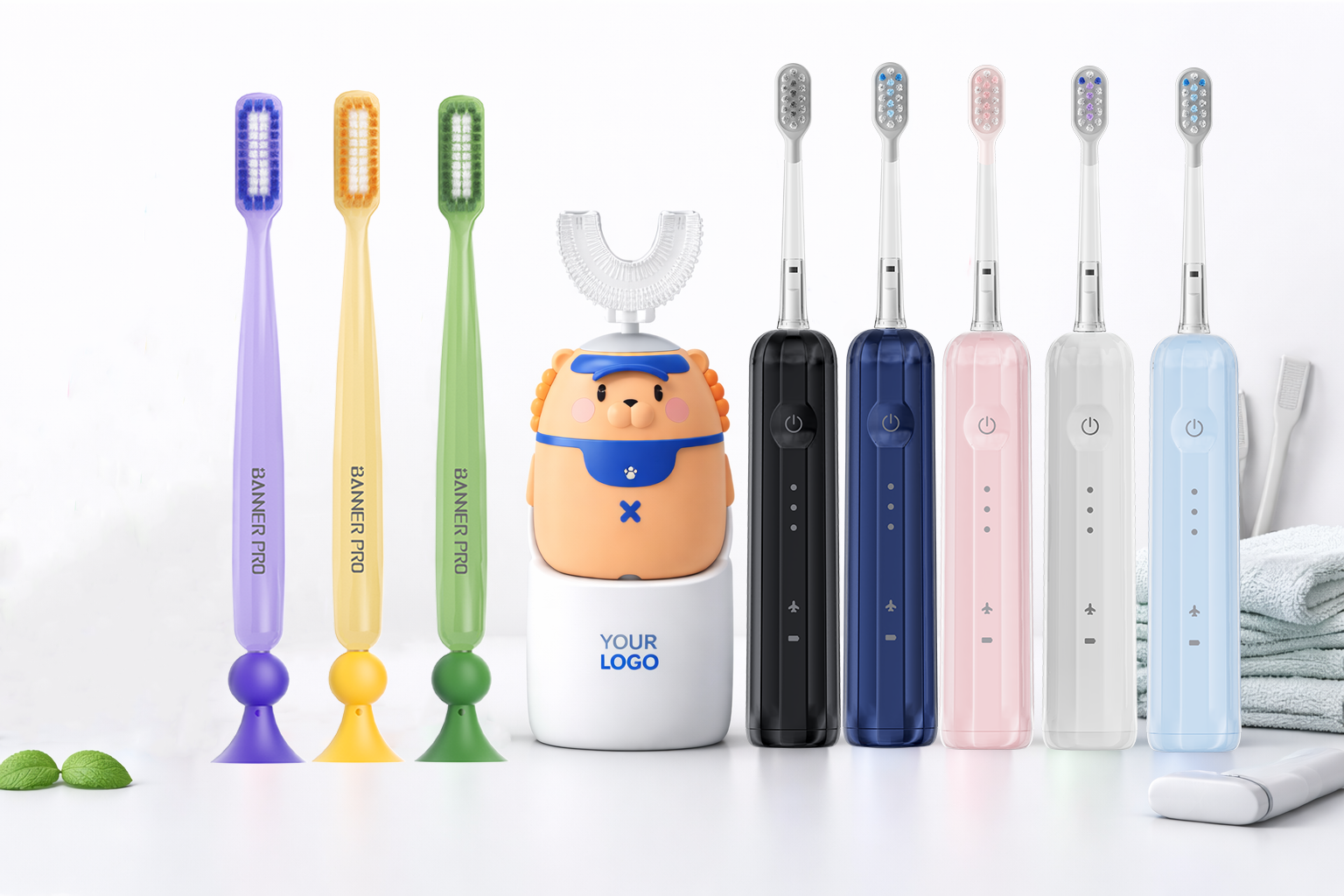
For example, some brands offer both manual and electric toothbrushes. They group these products into separate categories.
These categories show how toothbrush manufacturing has become more specialized and consumer-focused. It is no longer a mass production model.
Material Innovation in toothbrush manufacturing for Online Retail
The rise of e-commerce has also influenced material selection and product durability standards in toothbrush manufacturing. Online customers cannot test products before purchase. As a result, manufacturers must ensure that product descriptions match actual performance.
Soft-bristle technologies, BPA-free plastics, and ergonomic grip materials are now standard expectations. Additionally, manufacturers are investing in multi-layer bristle structures and anti-bacterial coatings to strengthen product positioning in competitive listings.
Eco-friendly features have also become an important factor in purchase decisions. Many e-commerce platforms prioritize eco-friendly listings, encouraging brands to use recyclable handles and environmentally friendly packaging. This shift directly impacts toothbrush manufacturing workflows, requiring new suppliers, materials, and testing protocols.
At the same time, manufacturers must ensure consistency across global shipments. Customers in different regions should receive the same quality experience. Distance and logistics should not affect product quality.
Packaging, Branding, and Unboxing Experience
In e-commerce, packaging is no longer just protection—it is part of the marketing strategy. For toothbrush manufacturing, packaging must now serve three roles: protection, communication, and conversion.
Protective packaging ensures the toothbrush remains hygienic and undamaged during shipping. Communication packaging highlights key features such as bristle softness, cleaning efficiency, or whitening benefits. Conversion-focused design supports brand storytelling and encourages repeat purchases.
Consumers increasingly prefer minimalist, eco-conscious packaging, especially in subscription-based oral care models. This trend is changing how toothbrush manufacturing companies approach packaging. They are moving away from bulk systems and adopting simpler, more visually appealing designs.
Quality Standards and Compliance in Digital Markets
With global e-commerce expansion, regulatory compliance has become a non-negotiable part of toothbrush manufacturing. Manufacturers must meet safety and quality standards across multiple regions, including the United States and Europe.
Organizations such as the American Dental Association set guidelines for oral care product safety and effectiveness. These guidelines help build consumer trust. Aligning with such standards is essential for brands seeking credibility in competitive online marketplaces.
Quality control must also be more transparent. Online reviews can quickly amplify any defect or quality difference, making batch-level consistency critical. As a result, many manufacturers are adopting real-time quality monitoring systems and digital tracking tools.
The Future of toothbrush manufacturing in E-commerce
The future of toothbrush manufacturing will likely be shaped by automation, personalization, and data-driven production. E-commerce platforms provide real-time consumer insights. This allows manufacturers to adjust product designs based on customer feedback and buying behavior.
Advanced manufacturing systems now make personalized toothbrushes easier to produce, with options for bristle type, firmness, and handle design. At the same time, AI-driven forecasting tools help reduce waste and improve supply chain efficiency.
Brands that adapt quickly to these changes will have a competitive advantage. Companies that fail to evolve risk losing visibility in a highly saturated digital marketplace.
Conclusion
E-commerce has reshaped toothbrush manufacturing, pushing it toward flexibility, innovation, and customer-centric design. Online consumer behavior now influences every aspect of production, from material selection to packaging strategy and compliance standards.
As digital commerce continues to expand, manufacturers must view every toothbrush as more than a physical product. It is now a complete digital retail experience, starting from search results and ending with customer satisfaction.