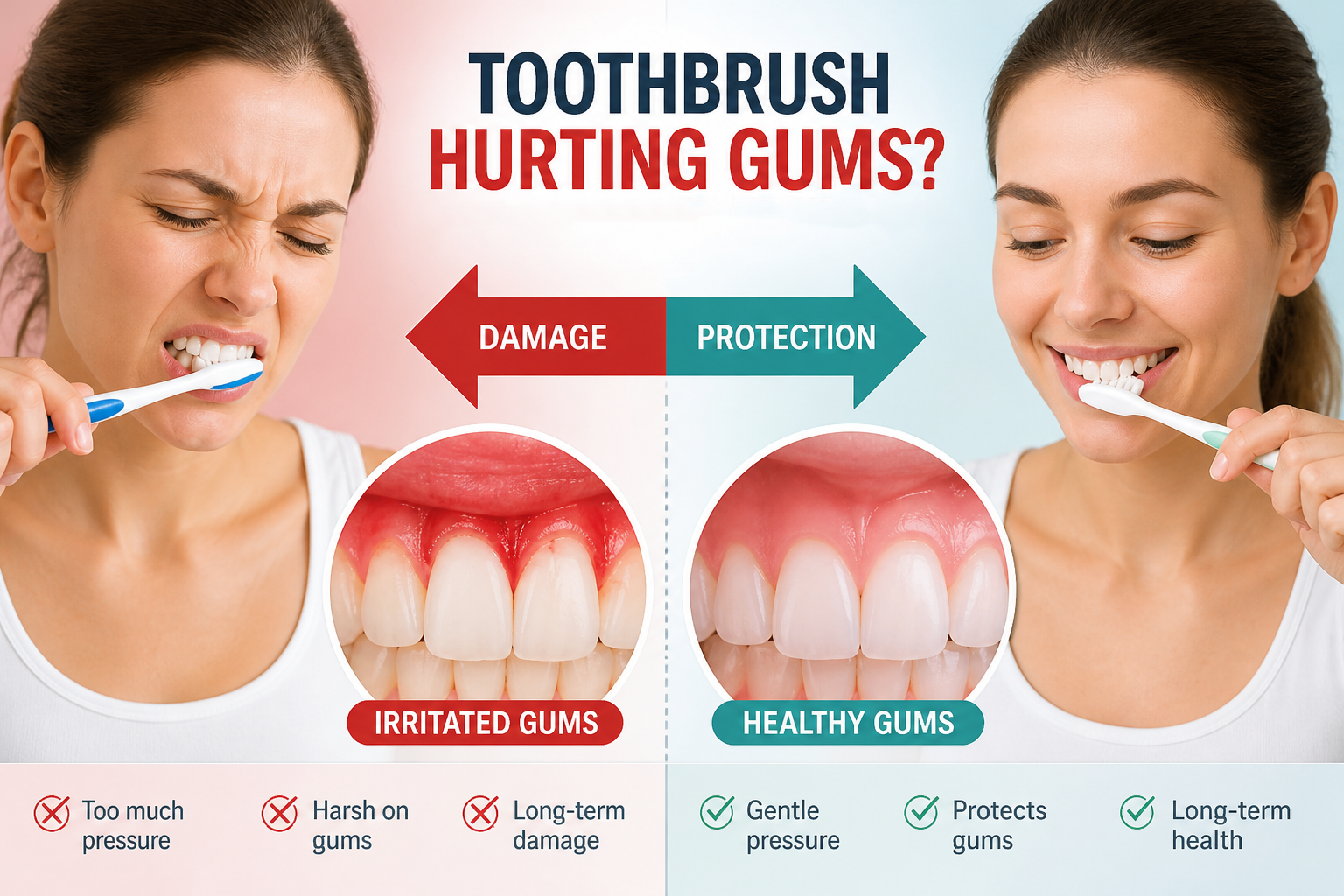
Most people assume brushing harder means cleaner teeth. Unfortunately, that mindset often leads to one overlooked problem: toothbrush hurting gums. What feels like a thorough clean can quietly damage soft gum tissue over time.
Gums in good condition should not experience soreness after brushing. If they do, your toothbrush or the way you use it might be the issue. Let’s break down the key warning signs and what you can do to protect your oral health.
Bleeding Gums Could Mean Your Toothbrush Hurting Gums
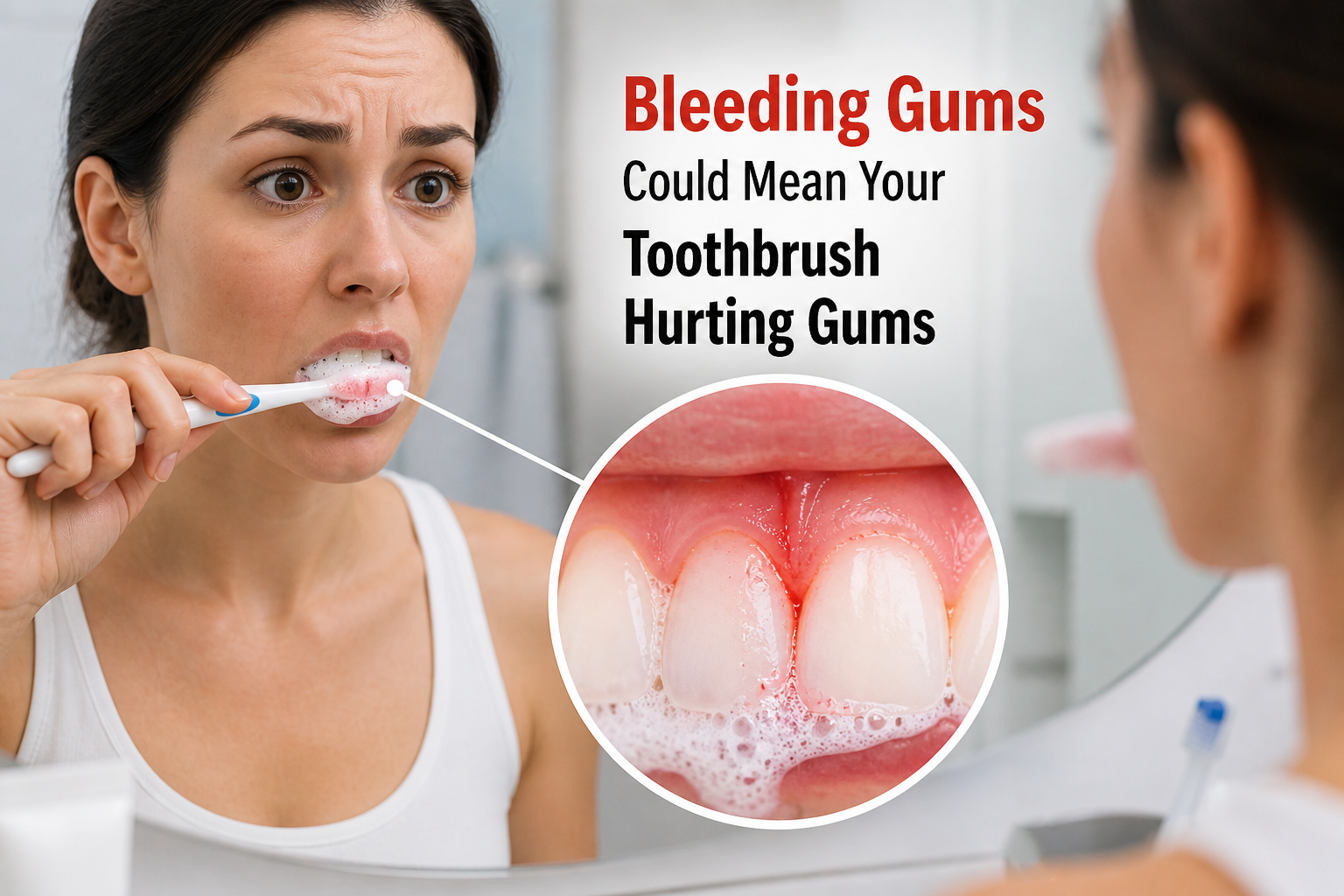
If pink foam appears in the sink, it may indicate an issue that requires attention. Occasional bleeding can happen, but frequent bleeding is often a sign of irritation.
A toothbrush with hard bristles or excessive brushing force can scrape delicate gum tissue. Over time, this leads to inflammation and even gum recession.
According to the American Dental Association, soft-bristled toothbrushes are the safest choice for most people. They clean away plaque without being too harsh on your gums.
If bleeding happens regularly, your current brushing routine may be causing more harm than good.
Gum Recession Is a Clear Sign of Toothbrush Hurting Gums
Gum recession doesn’t happen overnight. The damage develops gradually and becomes difficult to reverse once it begins.
How Toothbrush Hurting Gums Leads to Recession
Brushing too aggressively wears down the gum line, exposing more of the tooth surface. You may notice:
- Teeth looking longer than before
- Increased sensitivity
- A “notch” near the gumline
This is one of the most serious consequences of a toothbrush hurting gums scenario.
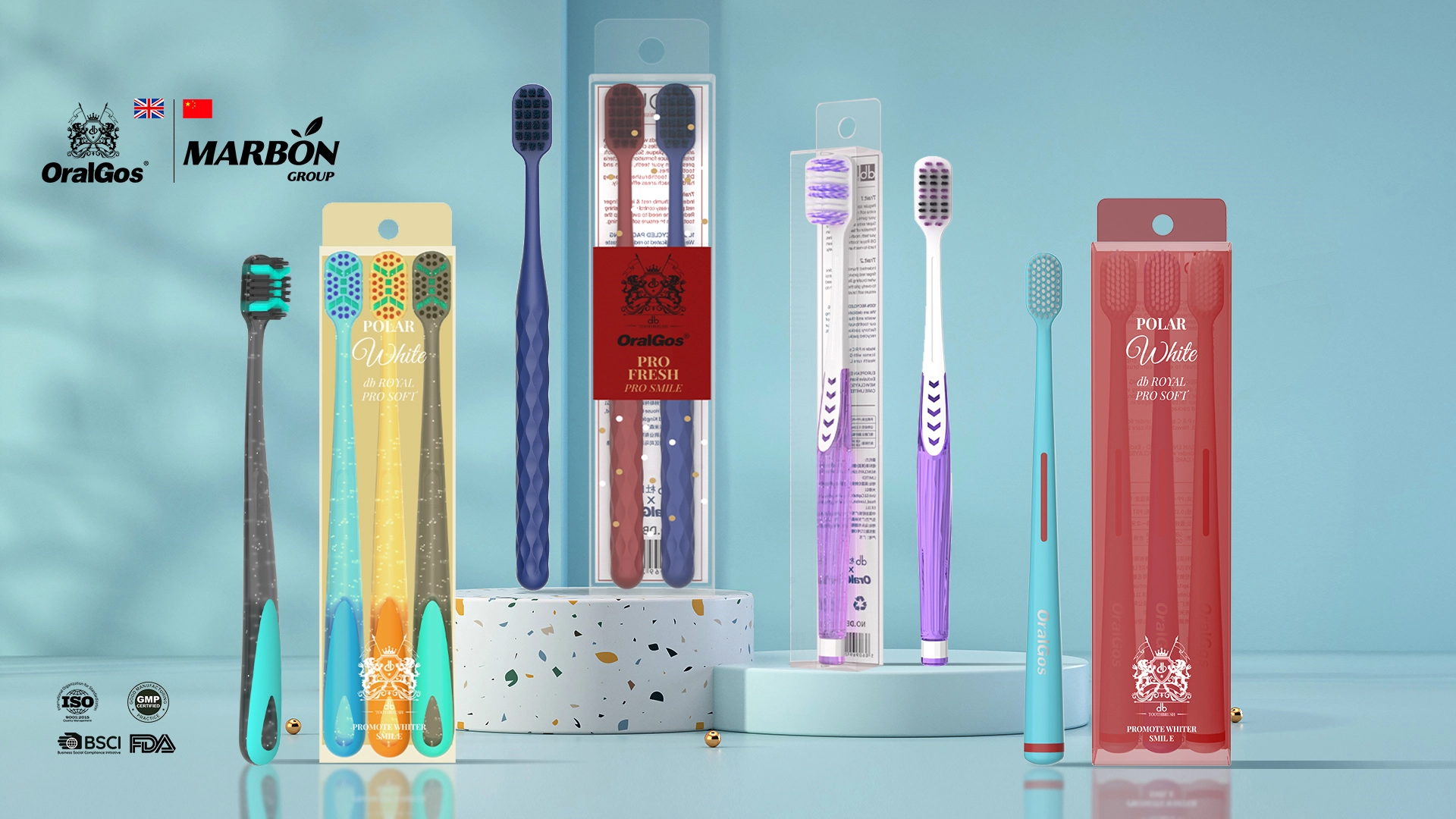
Switching to a gentler tool can help protect your gums from further damage. For example, a well-designed manual brush with soft bristles can help reduce pressure during daily cleaning. You can explore suitable options in this manual toothbrush collection.
Persistent Sensitivity May Indicate Toothbrush Hurting Gums
Sudden discomfort when consuming cold drinks may indicate tooth sensitivity. That might not only be enamel wear; it could also be gum-related.
When gums become damaged, they expose sensitive areas of the tooth. This leads to sharp discomfort when eating or drinking.
Why Toothbrush Hurting Gums Increases Sensitivity
Aggressive brushing removes protective layers around the tooth root. Unlike enamel, this area is more vulnerable.
If your teeth feel sensitive after brushing, consider:
- Using a softer toothbrush
- Reducing brushing pressure
- Switching to a gentler brushing motion
You can also explore electric toothbrushes that help control brushing force in this electric toothbrush collection.
Red or Swollen Gums Suggest Toothbrush Hurting Gums
Healthy gums should appear pink and firm. If your gums appear red, swollen, or irritated, your brushing habits may be contributing to the issue.
Repeated stress on the gum tissue often causes inflammation. A toothbrush hurting gums does not always lead to immediate pain, but the visual signs are still clear.
What Inflammation Tells You
Swelling is your body’s response to damage. If brushing causes irritation instead of improvement, it’s time to reassess your tools and technique.
Try holding your toothbrush with a lighter grip, similar to how you would hold a pen rather than applying excessive force. That small adjustment can reduce unnecessary force.
Pain While Brushing Is a Direct Sign of Toothbrush Hurting Gums
Brushing should not cause discomfort or pain. If you feel discomfort during your routine, something is wrong.
Pain is often the most obvious indicator that your toothbrush is too harsh or your technique is too aggressive.
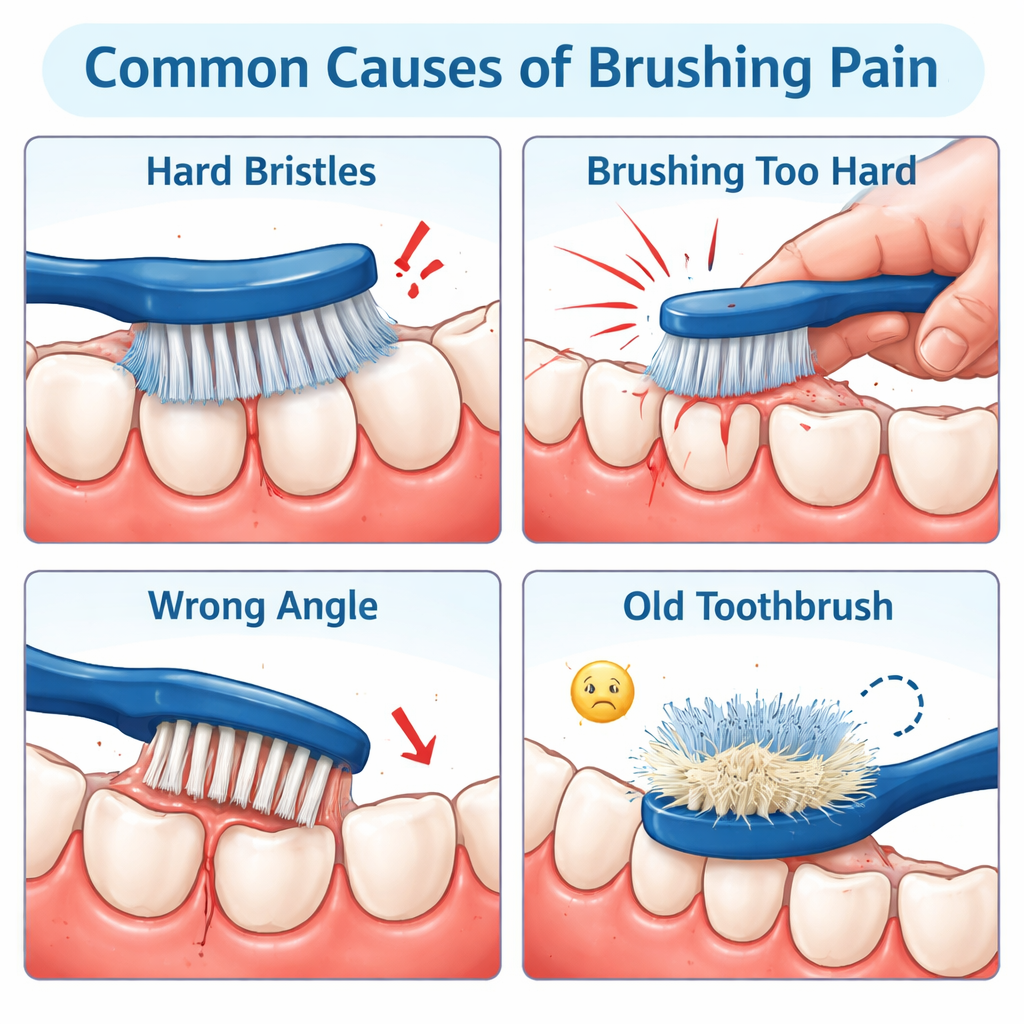
Common Causes of Brushing Pain
- Hard bristles
- Excessive pressure
- Incorrect brushing angle
- Worn-out toothbrush head
If any of these apply, your daily routine may be contributing to toothbrush hurting gums rather than protecting them.
How to Prevent Toothbrush Hurting Gums
The positive news is that this issue is completely preventable.
Here are simple adjustments that can significantly improve gum health outcomes:
- Choose soft or ultra-soft bristles
- Replace your toothbrush every 3 months
- Use gentle circular motions instead of scrubbing
- Avoid brushing immediately after acidic foods
- Consider upgrading to a pressure-controlled electric toothbrush
Think of brushing as cleaning delicate glass rather than scrubbing a dirty pan.
Final Thoughts
A toothbrush should protect your oral health rather than damage it. If you notice any of these signs, it is advisable to address the issue early.
The phrase toothbrush hurting gums might sound surprising, but it’s more common than most people realize. Small changes in your brushing habits and tools can prevent long-term damage and keep your gums healthy.
Your gums do not require force; they require consistent and careful care.