Tooth problems rarely appear overnight. In most cases, tooth decay begins silently, progressing slowly before pain or visible damage appears. The challenge is that early warning signs are often subtle. Many people overlook them until the problem becomes more serious and costly to treat.
Understanding these early signals can make a huge difference in protecting your long-term oral health. Let’s explore what to watch for and how to stop tooth decay before it advances.
Tooth Decay: Hidden Early Signs Most People Miss
Early-stage cavities do not always present with pain. Instead, it appears as small changes that are easy to overlook in daily life.
1. Increased tooth sensitivity
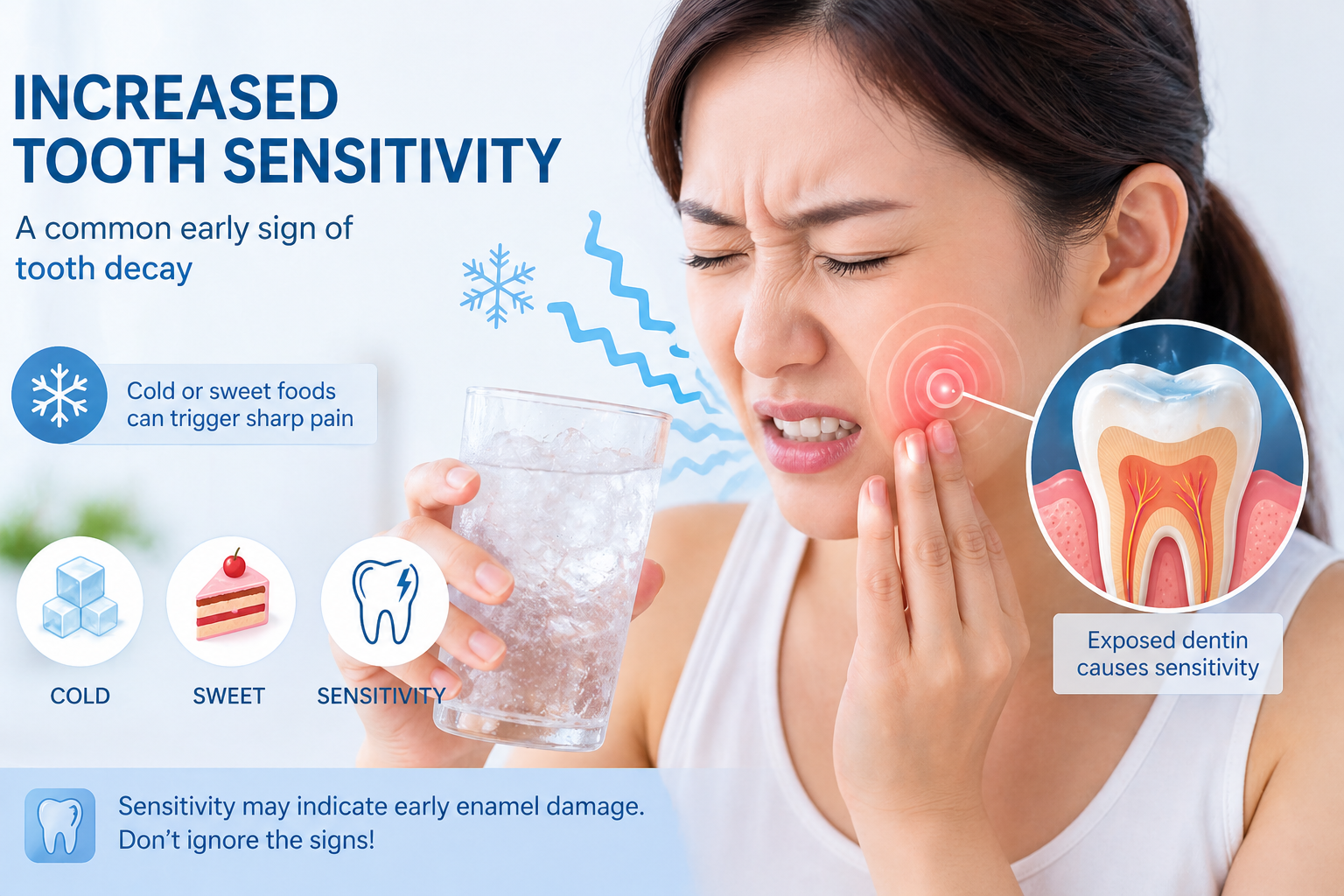
One of the earliest signs is sensitivity to hot, cold, or sweet foods. If you suddenly feel discomfort when drinking iced water or eating dessert, enamel may already be weakening. This is a classic early indicator of tooth decay that often goes unnoticed.
2. White or chalky spots on teeth
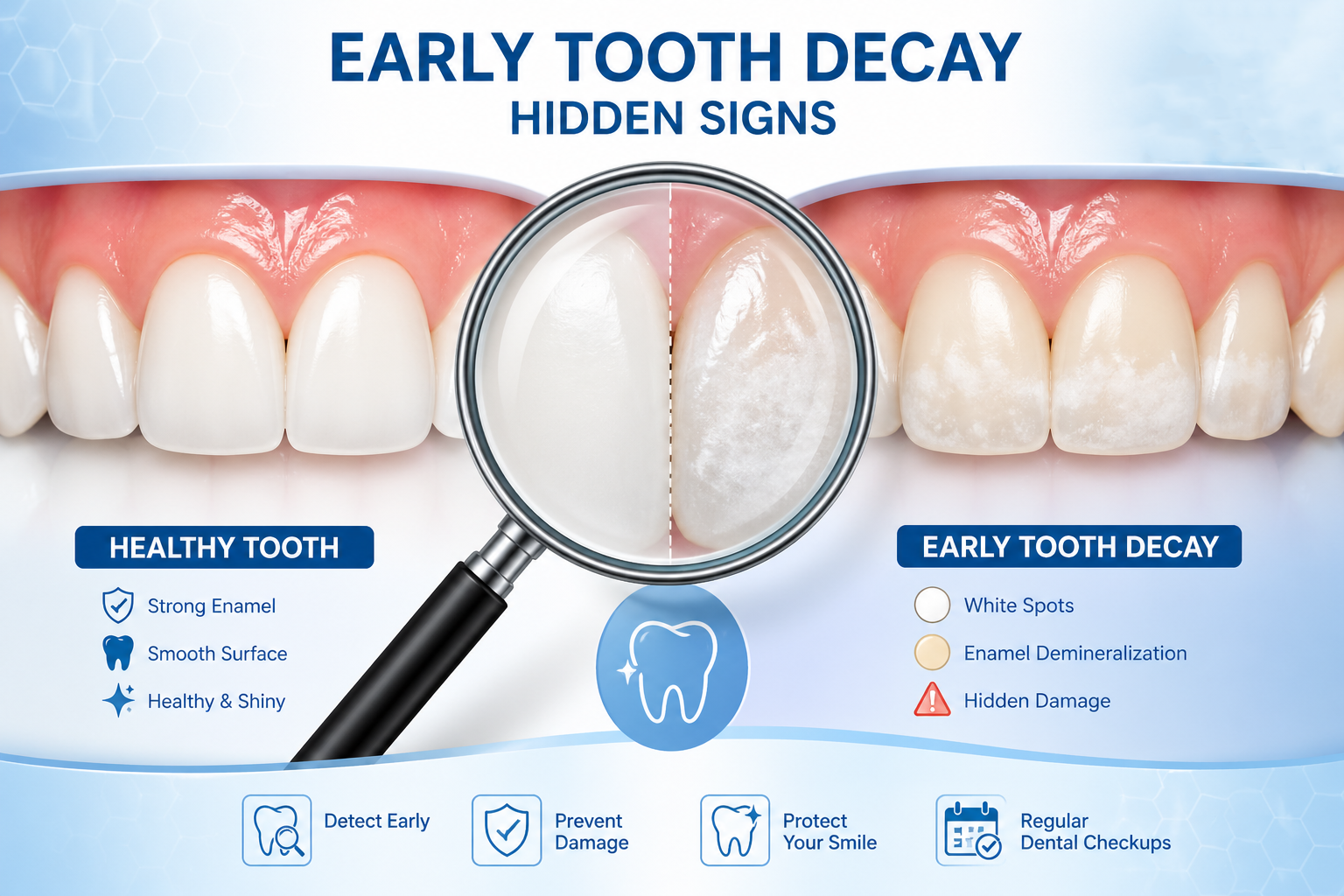
Before cavities form, mineral loss can create white or dull spots on the enamel surface. These areas indicate early demineralization and are a warning stage of tooth decay. At this point, the process may still be reversible with proper care.
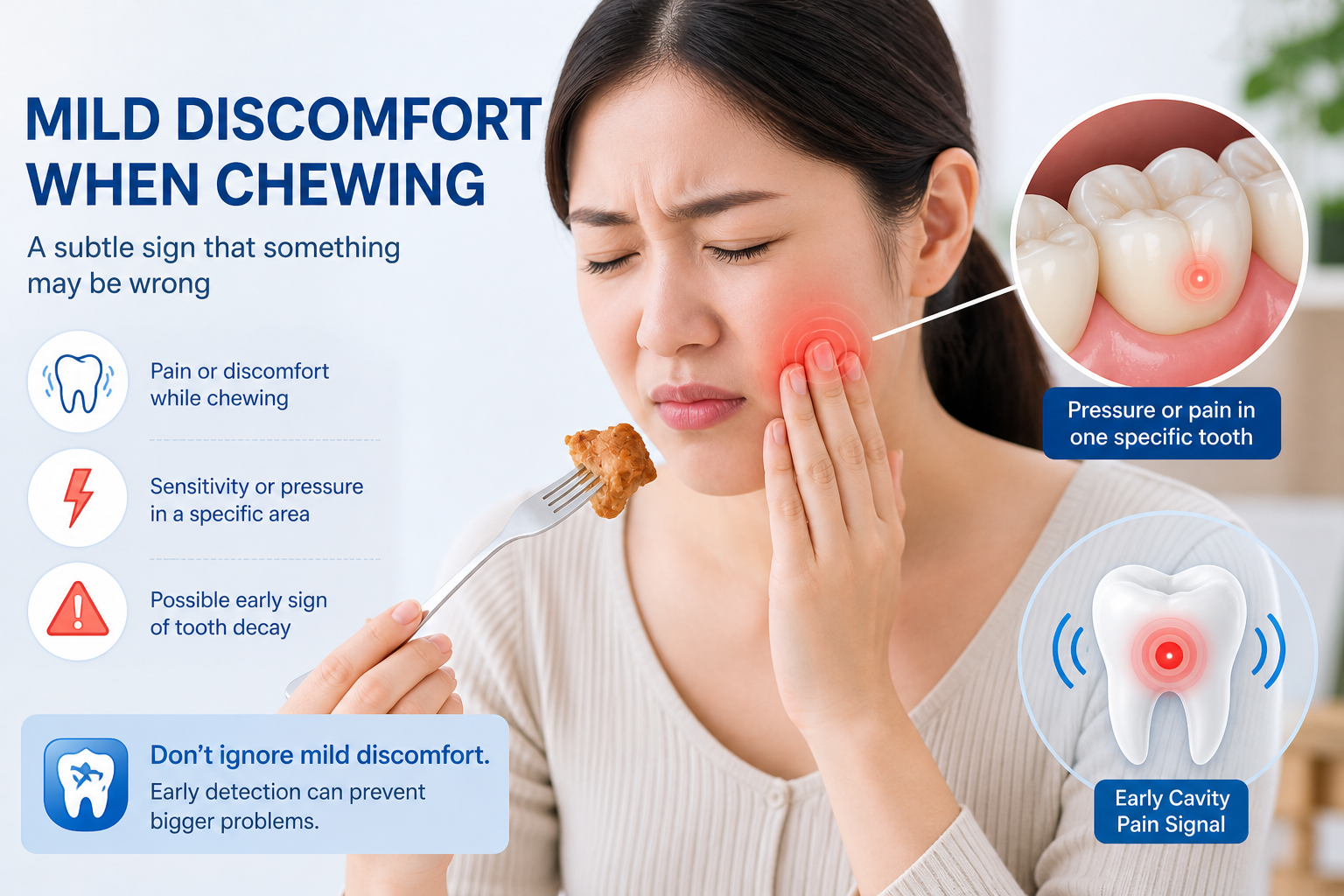
3. Mild discomfort when chewing
Some people notice a slight ache when biting into certain foods. It may come and go, making it easy to ignore. However, this discomfort often signals that the damage has started affecting deeper layers of the tooth.
Why Tooth Decay Is Often Ignored in Early Stages
The biggest problem with this condition is its slow progression. Because it develops gradually, people adapt to small changes without realizing something is wrong. People often dismiss occasional sensitivity or slight color changes as something temporary.
Diet also plays a key role in oral health. Frequent snacking, sugary drinks, and acidic foods create an environment where bacteria thrive. Over time, acids weaken enamel, allowing early damage to progress silently.
Many people also rely on brushing alone, without fully cleaning between teeth or along the gumline. This leaves hidden plaque untouched, which speeds up the process.
How to Prevent Tooth Decay in Early Stages
The good news is that you can often prevent or even reverse early tooth decay if you catch it in time. A consistent oral care routine is essential.
Daily brushing habits matter
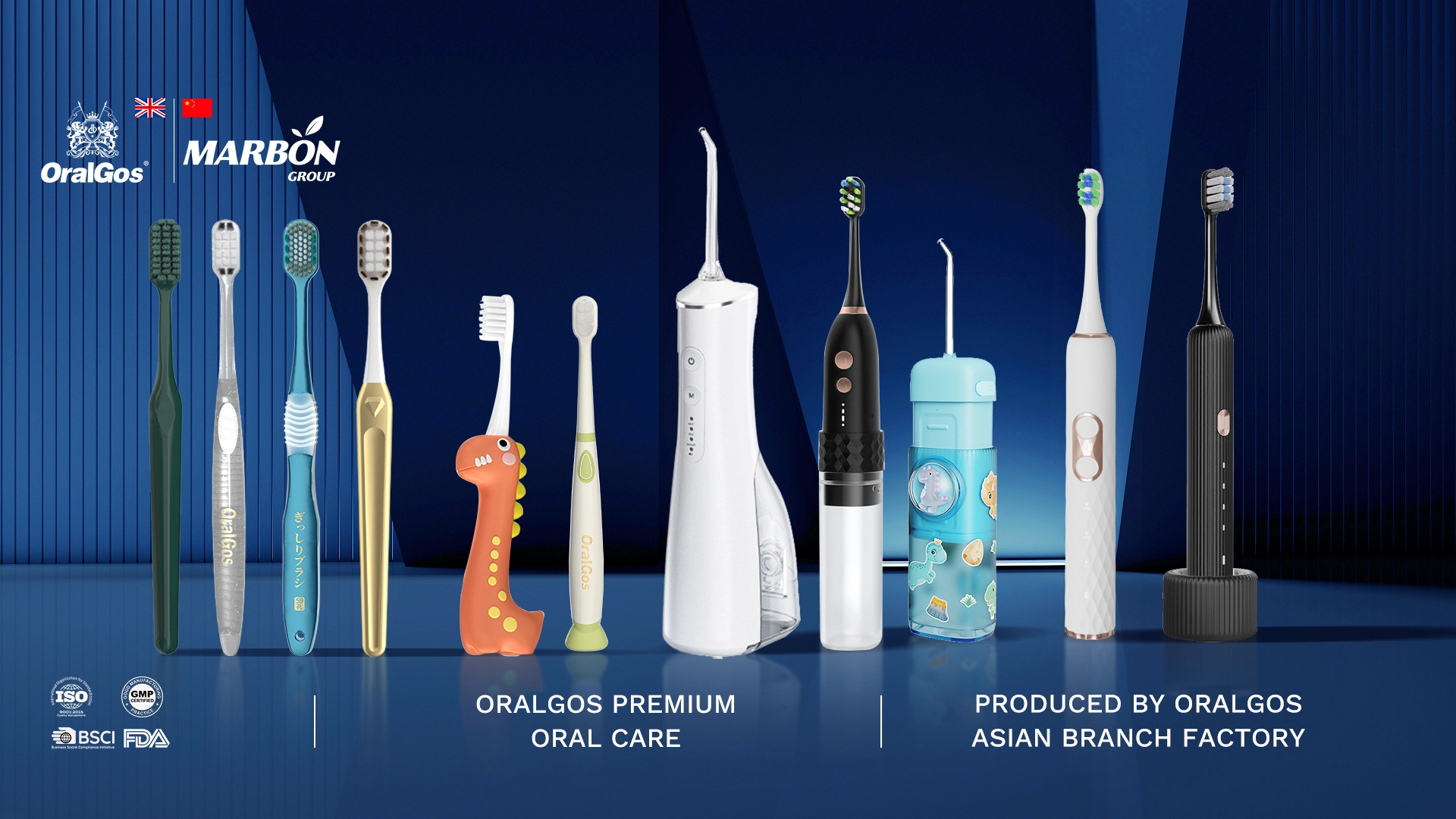
Brushing twice a day is the foundation of oral health. Choosing the right tools can significantly improve cleaning effectiveness. For example, soft-bristle options from this collection of manual toothbrushes help gently remove plaque without damaging enamel.
For deeper cleaning, many people prefer upgrading to advanced options such as electric toothbrushes. These toothbrushes provide more consistent motion and better plaque removal. They are especially effective in hard-to-reach areas where cavities often begin.
Strengthening enamel with the right toothpaste
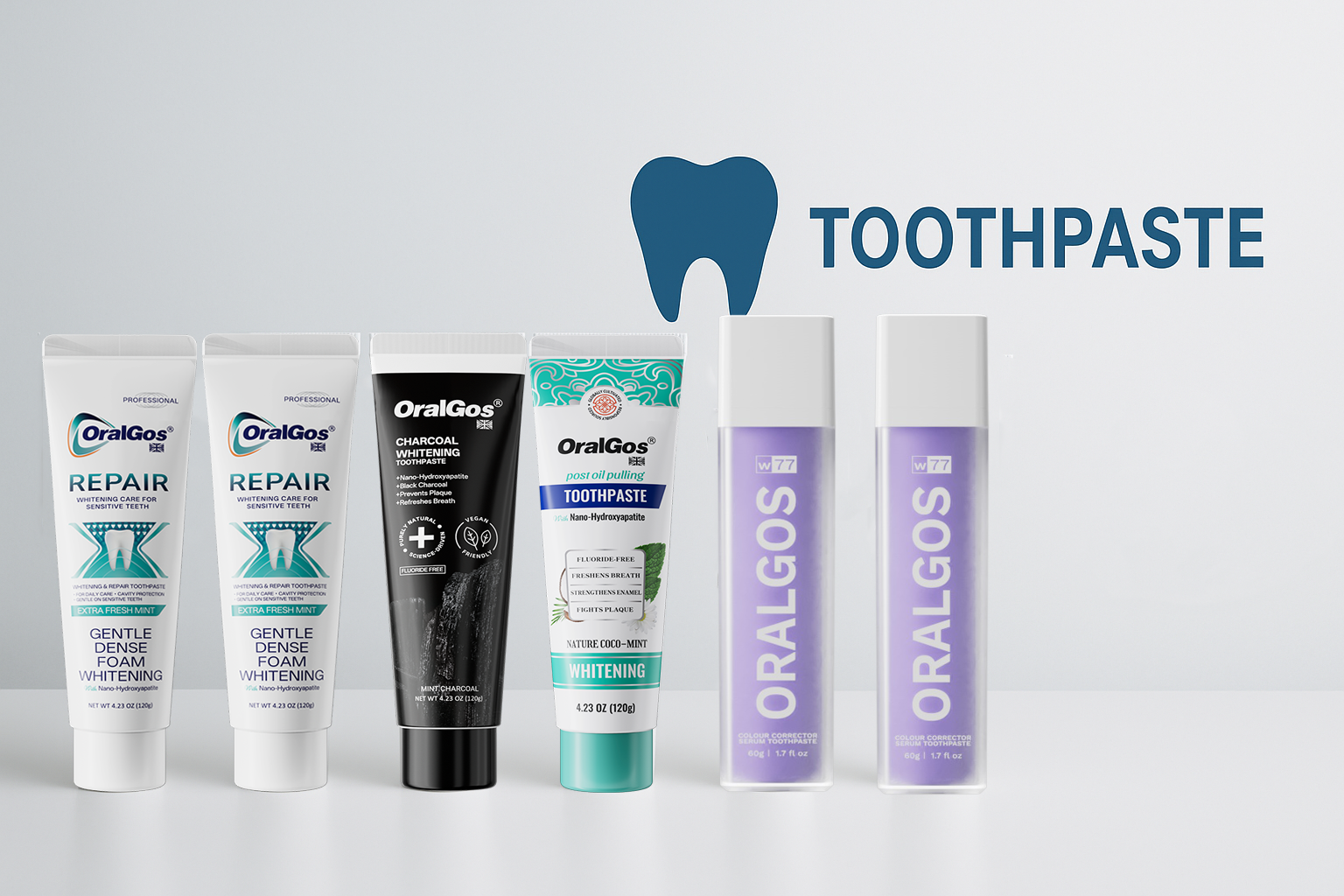
Fluoride and enamel-strengthening ingredients play a key role in protecting teeth. A well-formulated product from this range of toothpaste can help strengthen enamel and slow early tooth decay progression.
Cleaning between teeth
Brushing alone is not sufficient for complete oral hygiene. Food particles and bacteria often hide between teeth, where tooth decay can develop unnoticed. Using tools like dental floss or a water flosser helps remove debris and maintain gum health more effectively.
When to Seek Professional Help for Tooth Decay
Even with excellent home care, regular dental checkups are essential. Dentists can detect early tooth decay long before it becomes visible or painful. According to the American Dental Association, routine examinations and cleanings are key to preventing long-term oral health issues. They also help avoid more invasive treatments later.
Final thoughts
Early tooth decay is often silent, but not invisible if you know what to look for. You should not ignore sensitivity, changes in tooth color, or subtle discomfort, as they are all warning signs.
By improving daily habits, using the right oral care tools, and staying consistent with dental visits, you can stop tooth decay early. This helps protect your smile for years to come.
Healthy teeth are not just about appearance; they are a long-term investment in overall well-being.