Oral hygiene has advanced far beyond toothbrushes and traditional string floss. One of the most discussed innovations today is the water flosser, also known as an oral irrigator. But the real question is: do you actually need one in your daily routine?
The answer depends on your oral health condition, habits, and how consistent you are with interdental cleaning.
What Is a Water Flosser and How Does It Work?
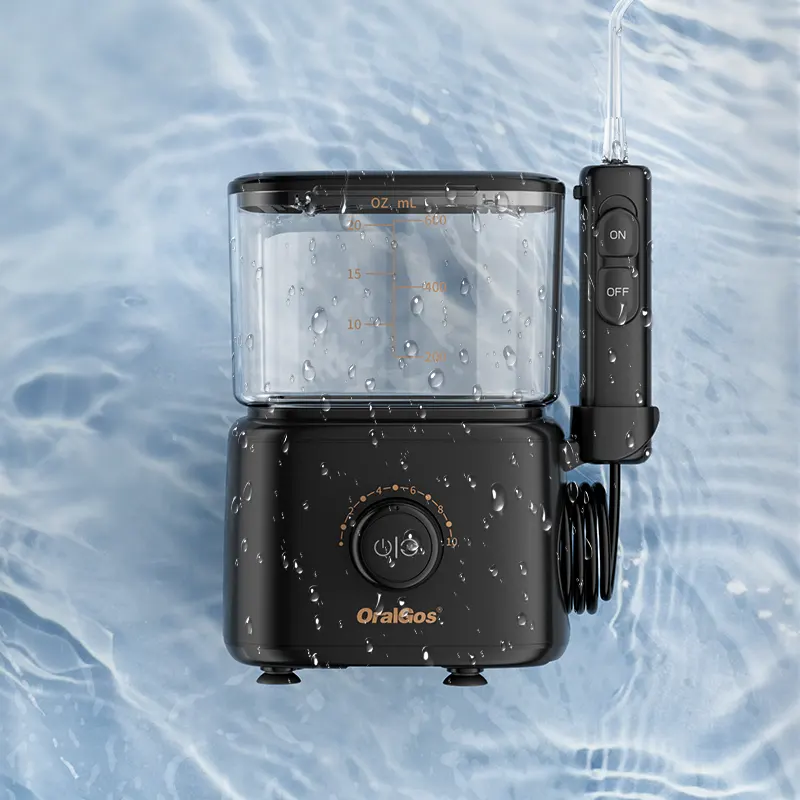
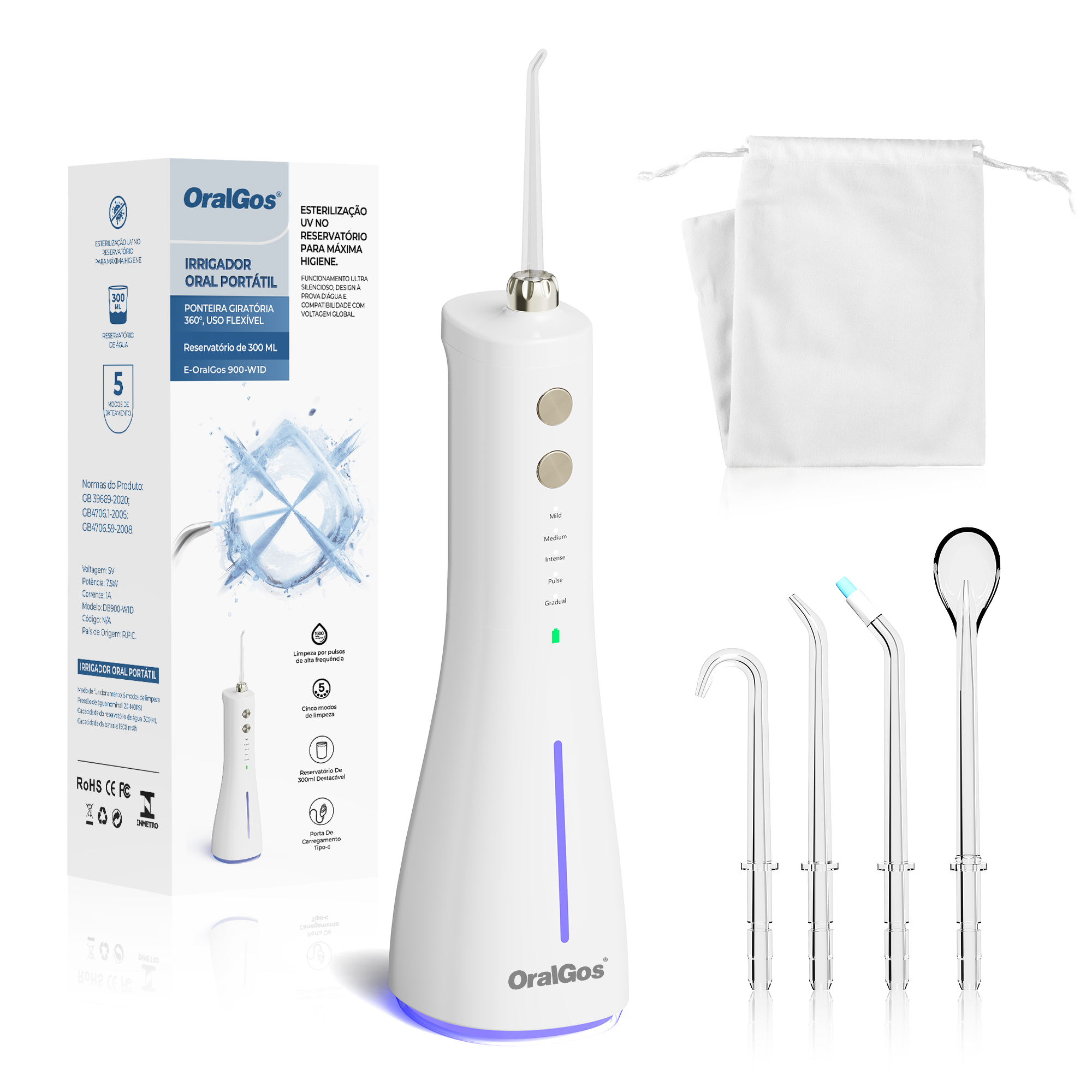
A water flosser is a dental device that cleans between teeth using a stream of pressurized water. It removes food debris, plaque, and bacteria below the gumline.
Unlike traditional floss, which physically scrapes surfaces, an oral irrigator works by flushing out debris using controlled water pressure. This makes it especially useful for people who struggle with string floss or find it uncomfortable.
Dentists often recommend it as a supplement to brushing, not a replacement.


Benefits of a Water Flosser for Oral Health
Using a water flosser regularly can support better gum health and improve daily oral hygiene routines. Some key benefits include:
- Helps reduce plaque buildup in hard-to-reach areas
- Supports healthier gums and reduces irritation
- Easier for people with braces or dental implants
- More comfortable than traditional floss for many users
- Encourages consistent interdental cleaning habits
Compared to manual flossing, this dental cleaning device improves compliance because it is faster and easier to use.
The American Dental Association recommends cleaning between teeth every day. This helps prevent gum disease and supports long-term oral health.
Water Flosser vs Traditional Flossing
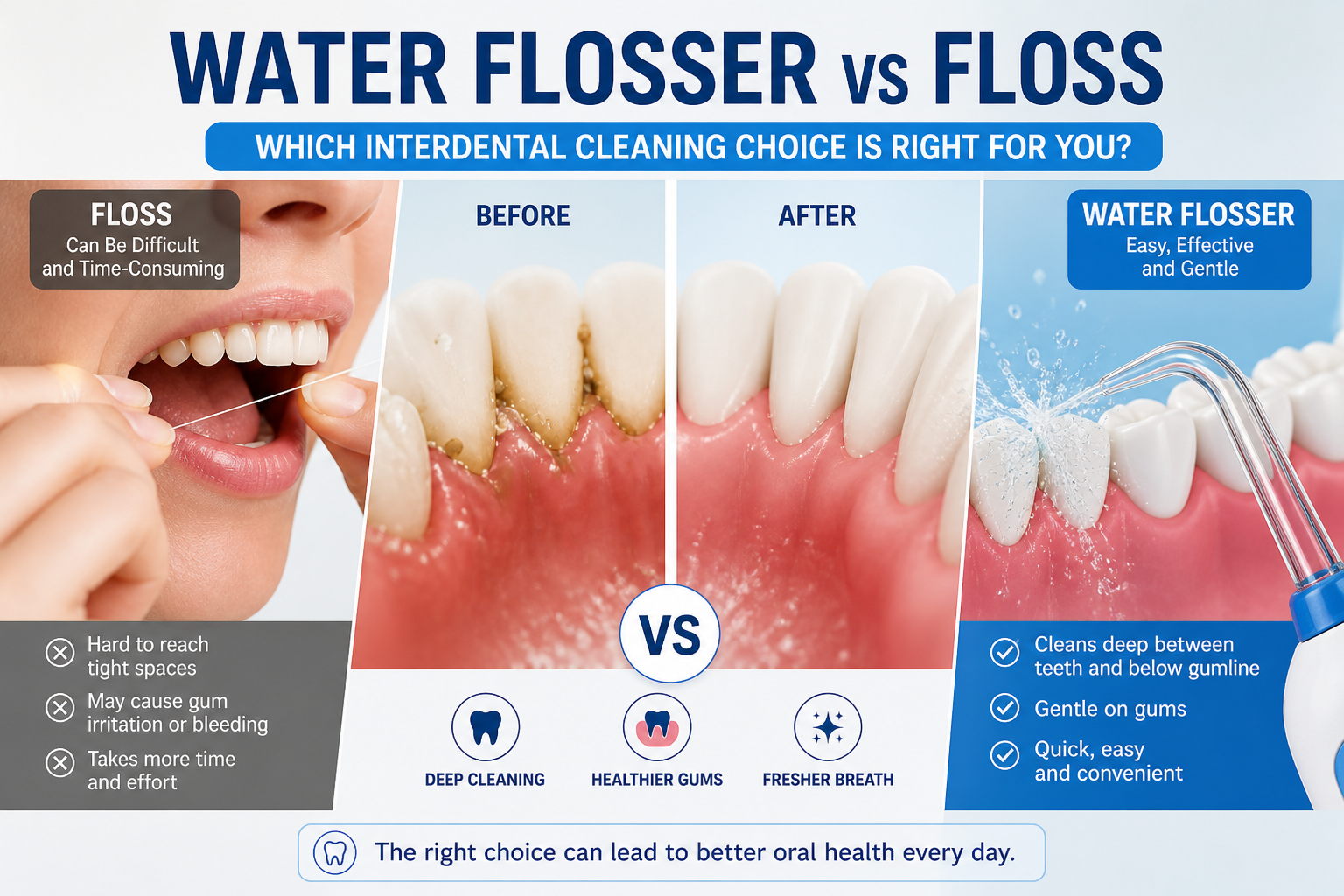
When comparing an oral irrigator with string floss, the key difference is method rather than outcome.
Traditional floss removes plaque through physical contact, while a water flosser uses hydraulic pressure to dislodge debris. Both methods can be effective when used correctly.
However, many users prefer a water-based cleaning tool because it is:
- Easier to handle
- Less painful for sensitive gums
- More convenient for daily use
The most important factor is consistency. A method you use every day is always better than one you avoid.
Who Should Use a Water Flosser?
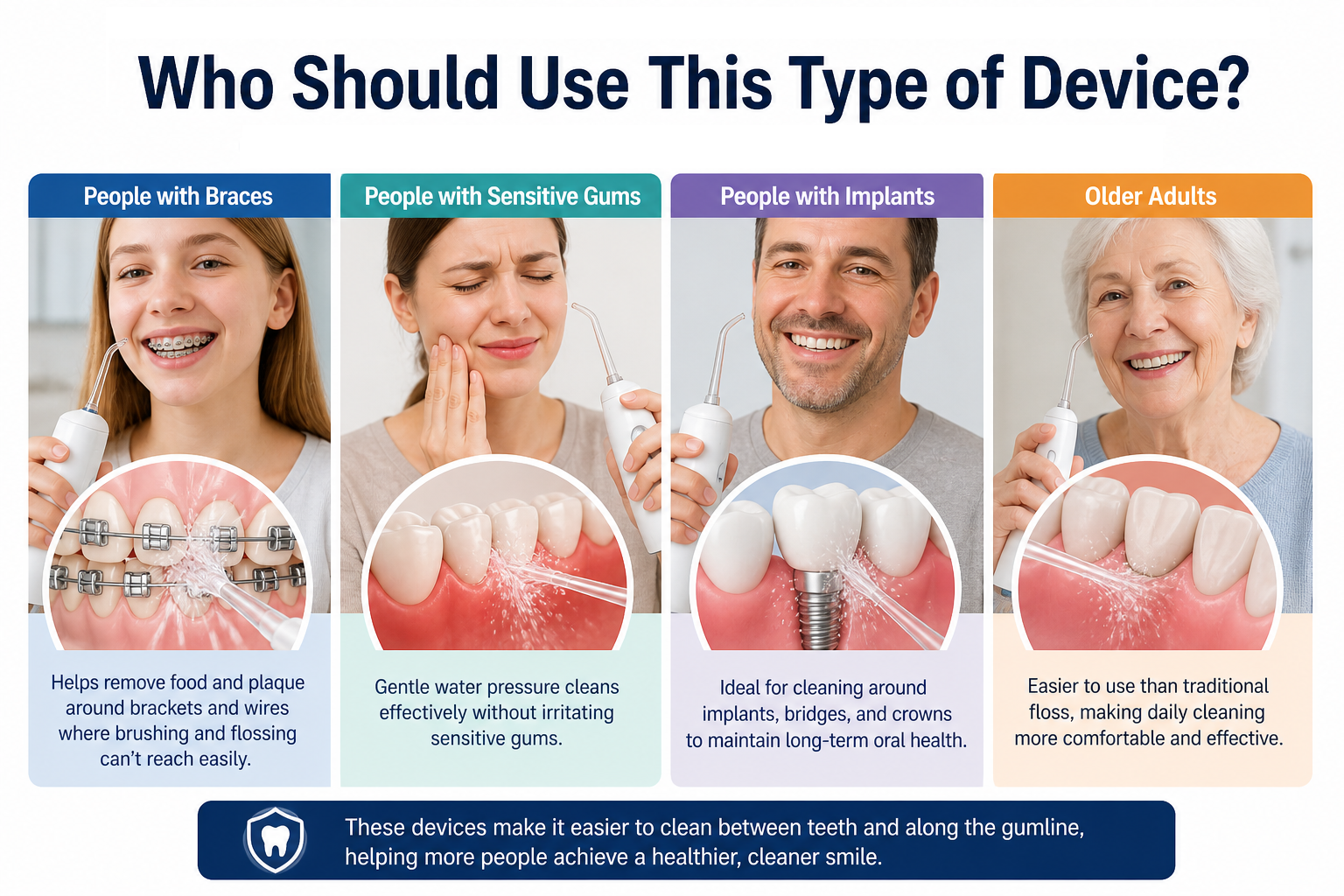
A water flosser is especially helpful for people who face challenges with traditional flossing. This is especially useful for:
- Individuals with braces or orthodontic appliances
- People with gum sensitivity or bleeding gums
- Patients with dental implants or bridges
- Older adults with limited hand mobility
- Users who struggle to maintain flossing habits
For these groups, an interdental cleaning device can significantly improve oral hygiene consistency.
Are There Any Downsides?
While a water flosser offers many benefits, it is not without limitations:
- Higher cost compared to string floss
- Requires charging or electricity
- Occupies bathroom space
- Not ideal for travel unless using compact models
It should be seen as an enhancement tool rather than a complete replacement for brushing or professional dental care.
How to Choose the Right Water Flosser
Choosing the right oral irrigator depends on your personal needs and lifestyle. Key factors include:
- Adjustable pressure settings
- Tank size and water capacity
- Easy to carry when traveling
- Ease of cleaning and maintenance
If you are considering upgrading your oral care routine, you can explore different water flosser options in our collection.
Different models offer different cleaning intensities, making it easier to match your gum sensitivity level.
Final Thoughts: Is It Worth It?
Whether you need a water flosser depends on your oral health condition and how consistently you clean between your teeth.
If you already floss effectively and maintain strong oral hygiene habits, you may not need one. For users who find traditional flossing difficult or uncomfortable, an oral irrigator offers a more convenient and effective alternative.
The American Dental Association makes it clear: consistency matters more than the tool. Daily cleaning between teeth is essential for healthy gums.
In the end, the best oral hygiene device is the one you will actually use. Consistency and proper technique matter most.