People often overlook choosing the right toothbrush in their oral care routines. While brushing frequency and toothpaste matter, the real foundation of effective cleaning lies in brush structure and engineering. A well-thought-out oral care tool can significantly improve plaque removal, gum health, and overall brushing efficiency. This article explains how toothbrush design affects cleaning performance and what features are most important when choosing a toothbrush.
Why Toothbrush Design Matters for Oral Cleaning
The effectiveness of daily brushing depends on how well the toothbrush interacts with teeth and gum surfaces. Even with correct brushing technique, an inefficient tool may leave behind plaque in hard-to-reach areas.
According to the American Dental Association, proper brushing needs good technique and the right tools. It keep your mouth clean and prevents gum disease.
A well-optimized brush structure helps:
- Improve plaque disruption
- Reach interdental spaces more effectively
- Reduce gum irritation
- Enhance overall brushing control
This is why product engineering plays a central role in oral care outcomes.
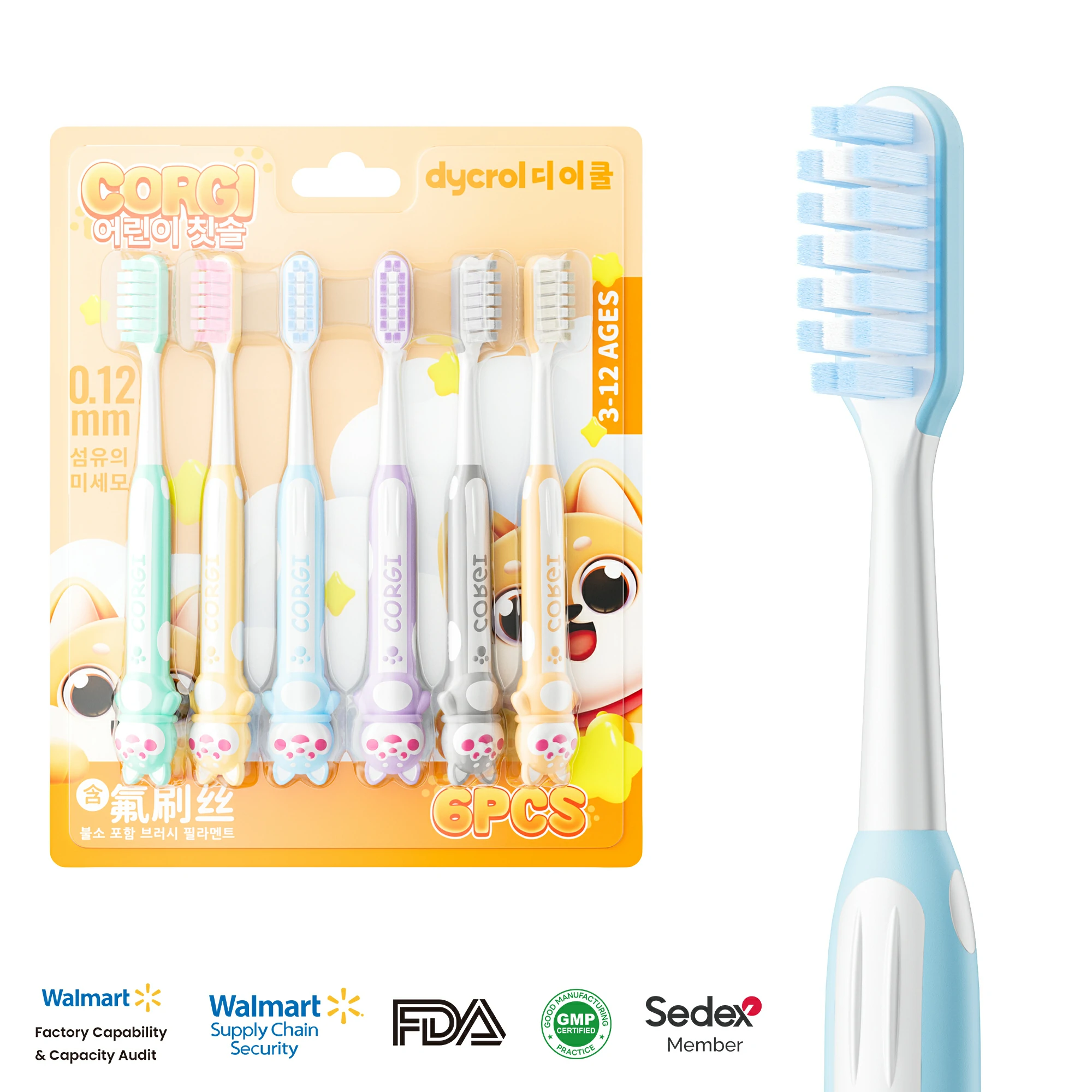
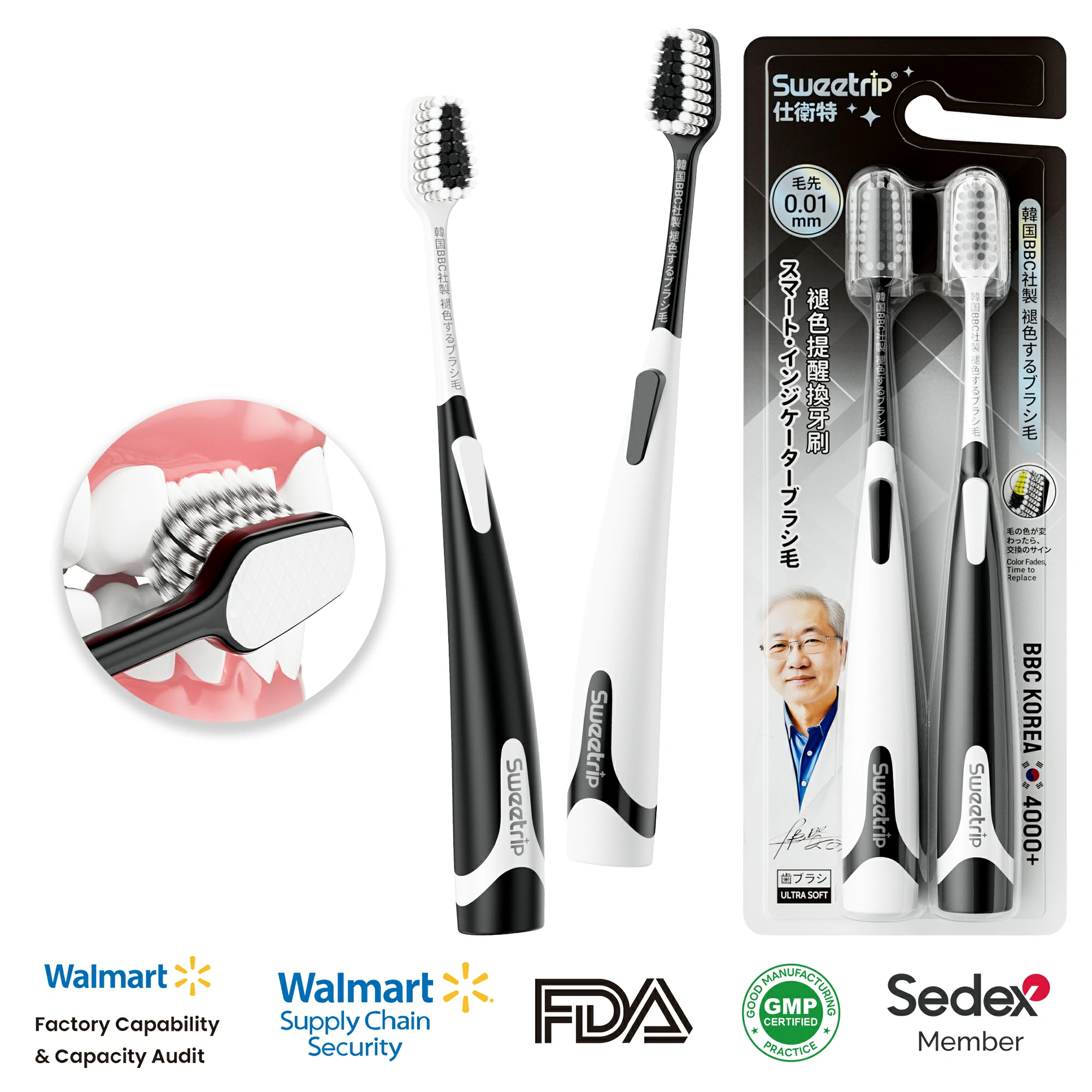
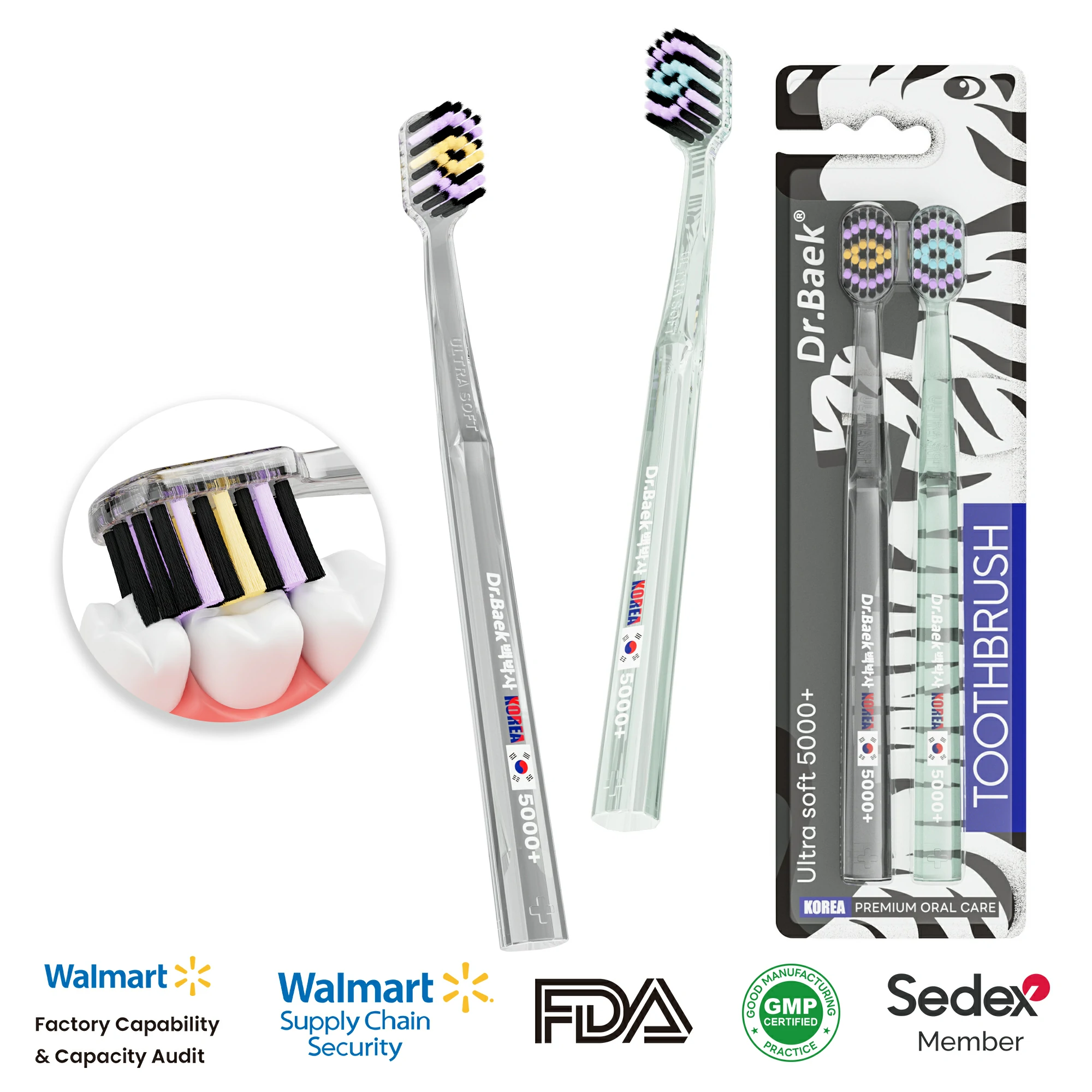
Toothbrush Design and Cleaning Efficiency
Toothbrush design is not just about appearance—it directly affects cleaning efficiency and user experience. Small structural changes can significantly affect how well a toothbrush performs in daily use.
A poorly structured brush may feel comfortable but fail to clean deep areas. On the other hand, an optimized design balances comfort with mechanical effectiveness.
Modern oral care tools focus on improving:
- Contact surface coverage
- Bristle flexibility
- Pressure distribution
- Reach in posterior teeth
These elements determine how effectively plaque is removed during brushing.
Bristle Configuration and Cleaning Performance
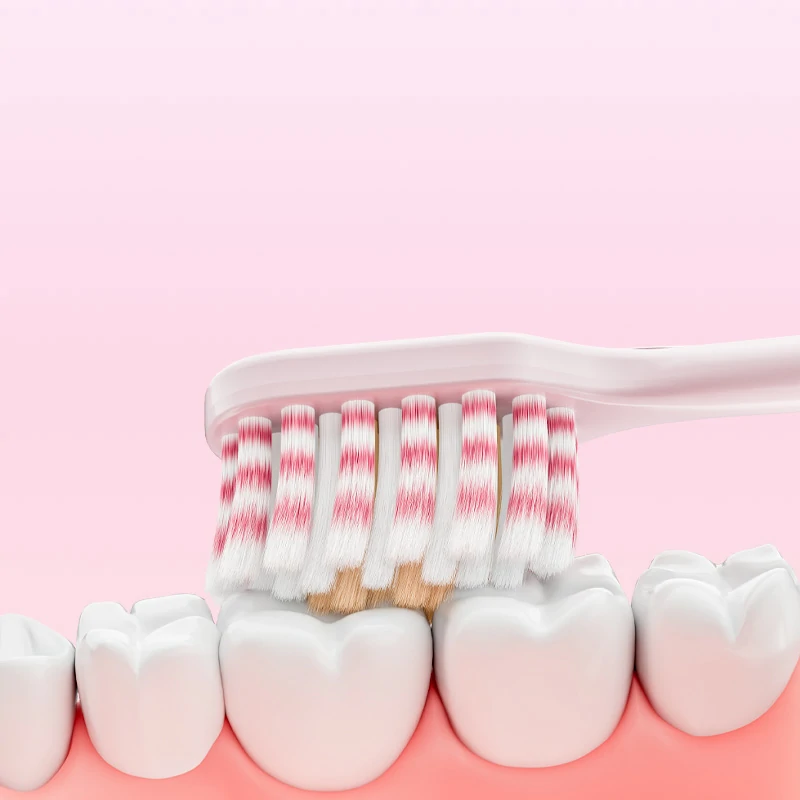
One of the most important aspects of toothbrush engineering is bristle configuration. It directly determines how well the brush adapts to tooth surfaces.
Material and Flexibility
Soft and flexible filaments are widely recommended because they clean efficiently while protecting enamel. Materials such as nylon or advanced polymer fibers improve durability and reduce irritation during brushing.
Shape and Arrangement
Different bristle layouts serve different purposes:
- Flat-cut bristles provide general cleaning
- Tapered bristles reach deeper between teeth
- Multi-level structures improve gumline access
These variations show how brush structure directly influences plaque removal capability.
Brush Head Size and Reach
Brush head design affects precision and reach. A compact head makes it easier to move the toothbrush, especially in the molar area. Larger heads can cover more surface but may reduce accuracy.
Smaller heads are often recommended for:
- Crowded teeth
- Orthodontic users
- Deep posterior cleaning
A balanced structure ensures both coverage and control, improving overall brushing effectiveness.
You can explore different manual toothbrush options in our collection.
Handle Ergonomics and User Control
Another critical factor in toothbrush design is handle ergonomics. A well-designed handle improves grip stability and brushing precision.
Key benefits of ergonomic design include:
- Reduced hand fatigue
- Better angle control
- More consistent pressure application
Non-slip materials and curved handles help users maintain proper brushing technique, especially in wet environments.
These improvements make daily brushing more comfortable and effective.
Electric Toothbrush Technology and Motion
In modern oral care, electric models introduce advanced movement systems that enhance cleaning performance beyond manual brushing.
Rotating and sonic motion technologies increase plaque disruption by generating rapid bristle movement. This reduces dependence on manual brushing skill while improving consistency.
Advanced models may also include:
- Pressure sensors to prevent over-brushing
- Built-in timers for proper brushing duration
- Multiple cleaning modes for different oral needs
You can explore different electric toothbrush options in our collection.
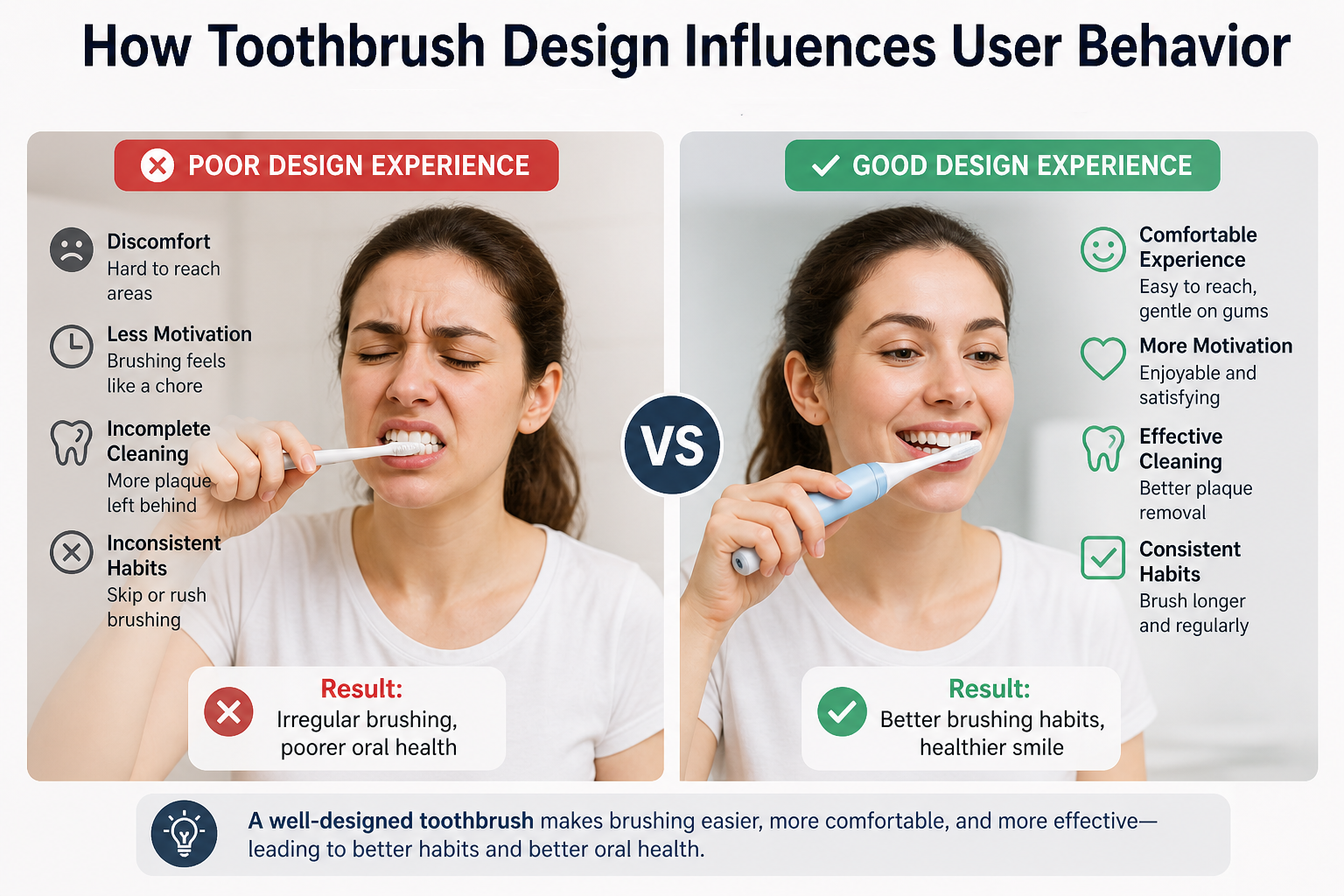
How Toothbrush Design Influences User Behavior
Beyond physical cleaning, product structure also affects user habits. A comfortable and efficient brush encourages longer and more consistent brushing sessions.
When users experience better results with less effort, they are more likely to maintain proper oral hygiene routines. People often overlook this behavioral impact, but it plays an extremely important role in long-term dental health.
Future Trends in Toothbrush Design
The future of toothbrush design is moving toward smarter, more personalized solutions. Innovations include:
- Eco-friendly materials
- AI-driven brushing feedback
- Brush heads you can change
- Data-based oral health tracking
These advancements aim to improve both performance and user engagement, making oral care more precise and adaptive.
Conclusion
Effective oral hygiene is not only about brushing habits but also about the engineering behind the tool itself. From bristle layout and brush head size to handle comfort and motion technology, each part affects cleaning results.
Understanding toothbrush design helps consumers make better decisions and achieve improved oral health outcomes. As innovation continues, future designs will further bridge the gap between comfort, efficiency, and professional-level cleaning.