Getting children to brush their teeth can often feel like negotiating a peace treaty twice a day. Many parents know the routine: reminders, resistance, bargaining, and sometimes full-blown meltdowns. The good news is that parents do not need to turn brushing time into a daily struggle. With the right approach, you can successfully get kids to brush teeth while building lifelong healthy habits.
Instead of relying on pressure or constant reminders, the key is to understand motivation. It also helps to reduce resistance and make oral care feel natural and enjoyable for children.
Get Kids to Brush Teeth: Understanding the Root of Resistance
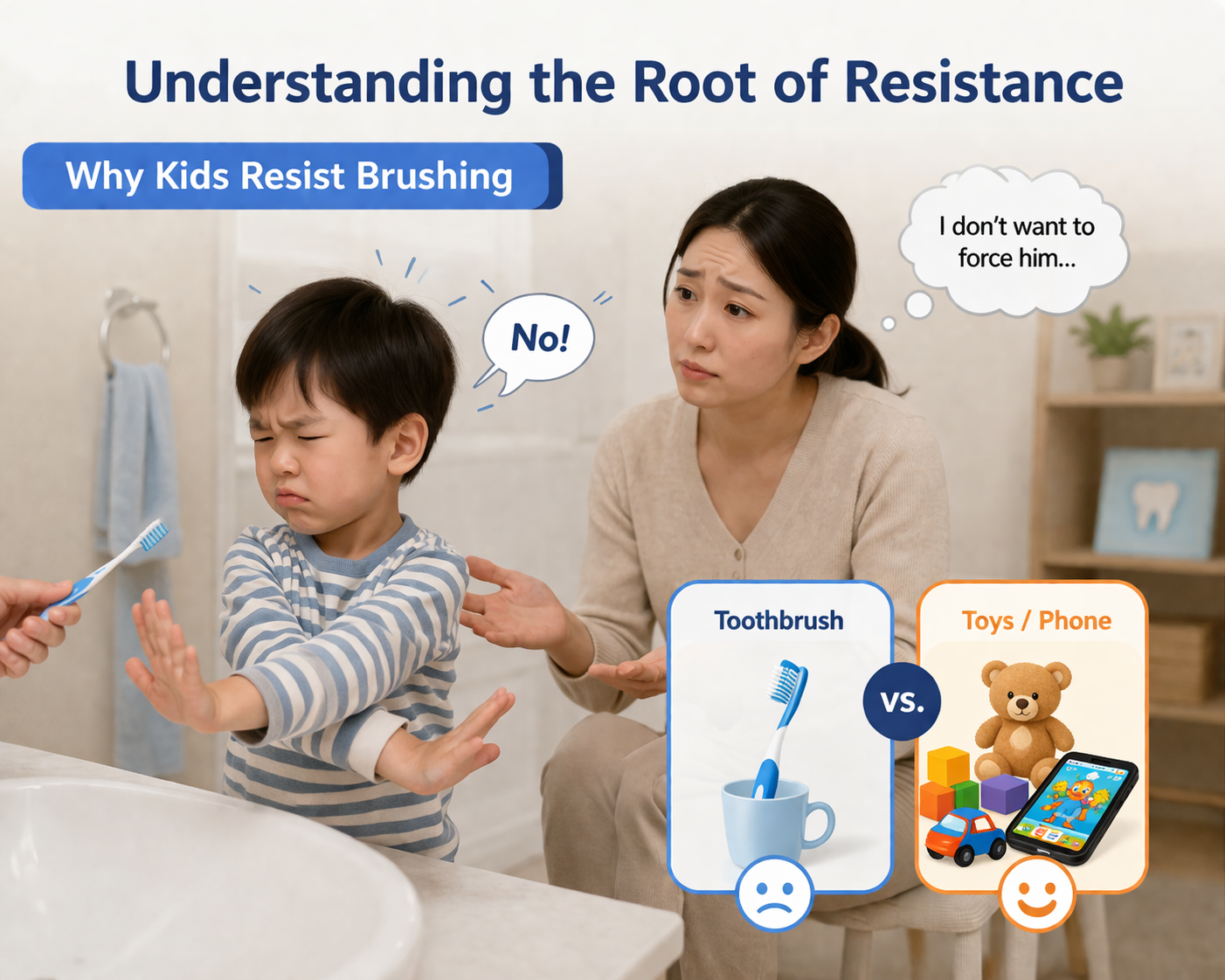
Before solving the problem, it helps to understand why children resist brushing. For younger children, brushing often feels uninteresting, uncomfortable, or unnecessary. They don’t yet understand the long-term consequences of poor oral hygiene.
To effectively get kids to brush teeth, parents need to shift from enforcement to engagement. This means turning brushing into something predictable, fun, and rewarding rather than a forced task.
One effective method is to create a consistent routine. Children respond well to structure, so brushing at the same time every morning and night reduces negotiation. Pairing brushing with another habit, like bedtime stories, also helps anchor the behavior.
You can also make brushing visual and interactive. Allow children to choose their toothbrush or toothpaste flavor. For example, the OralGos kids manual toothbrush range offers fun and ergonomic designs. These features can make brushing feel less like a chore and more like a personal choice.
The more control children feel, the less resistance you will face.

Get Kids to Brush Teeth with Fun, Not Force
One of the most effective ways to get kids to brush teeth is to replace pressure with play. Children are far more likely to cooperate when brushing feels like a game rather than a command.
Try turning brushing into a two-minute challenge with music or a timer. Encourage your child to treat brushing as a timed challenge or a “find all the hidden spots” game. Small storytelling tricks can transform brushing into an adventure instead of a task.
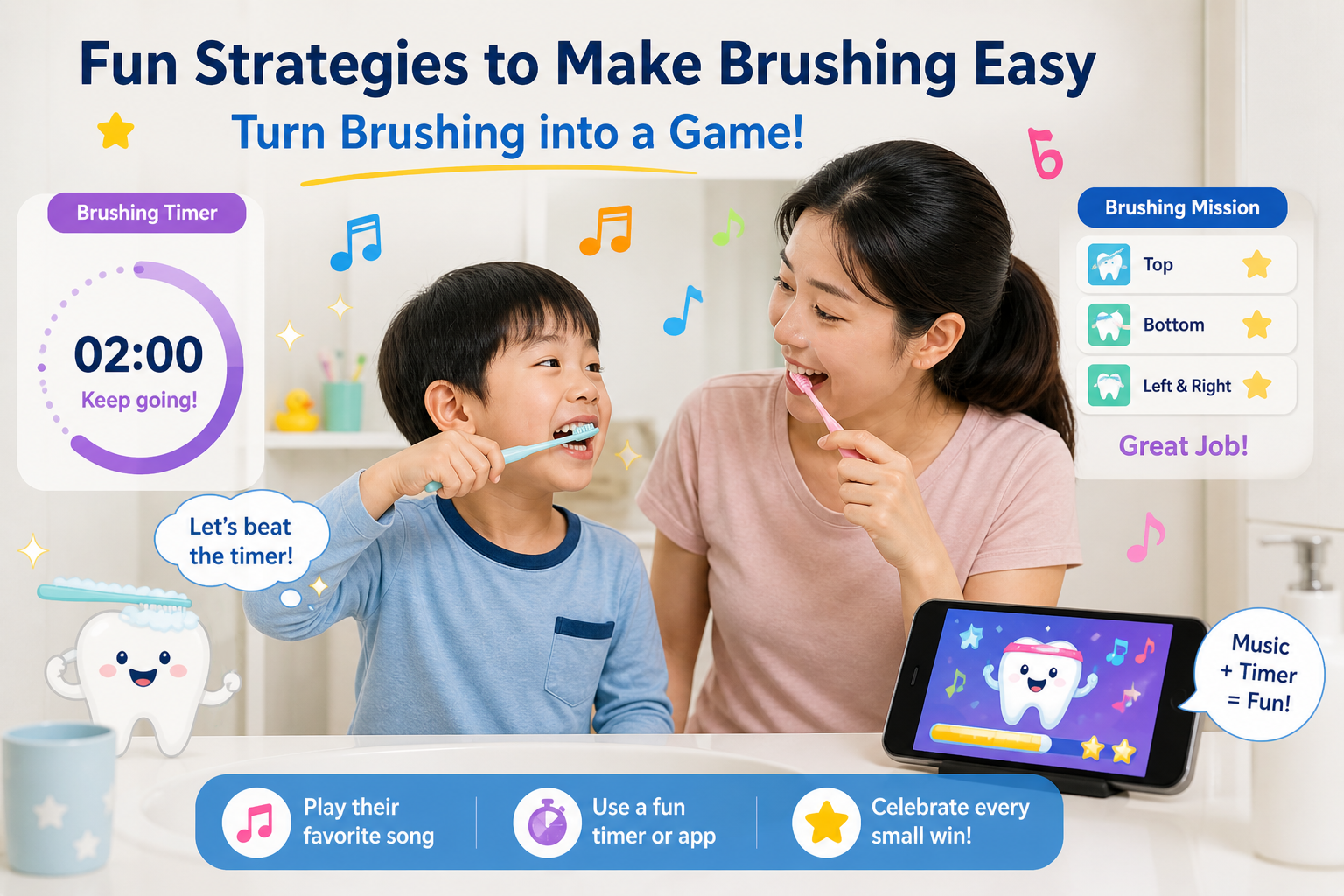
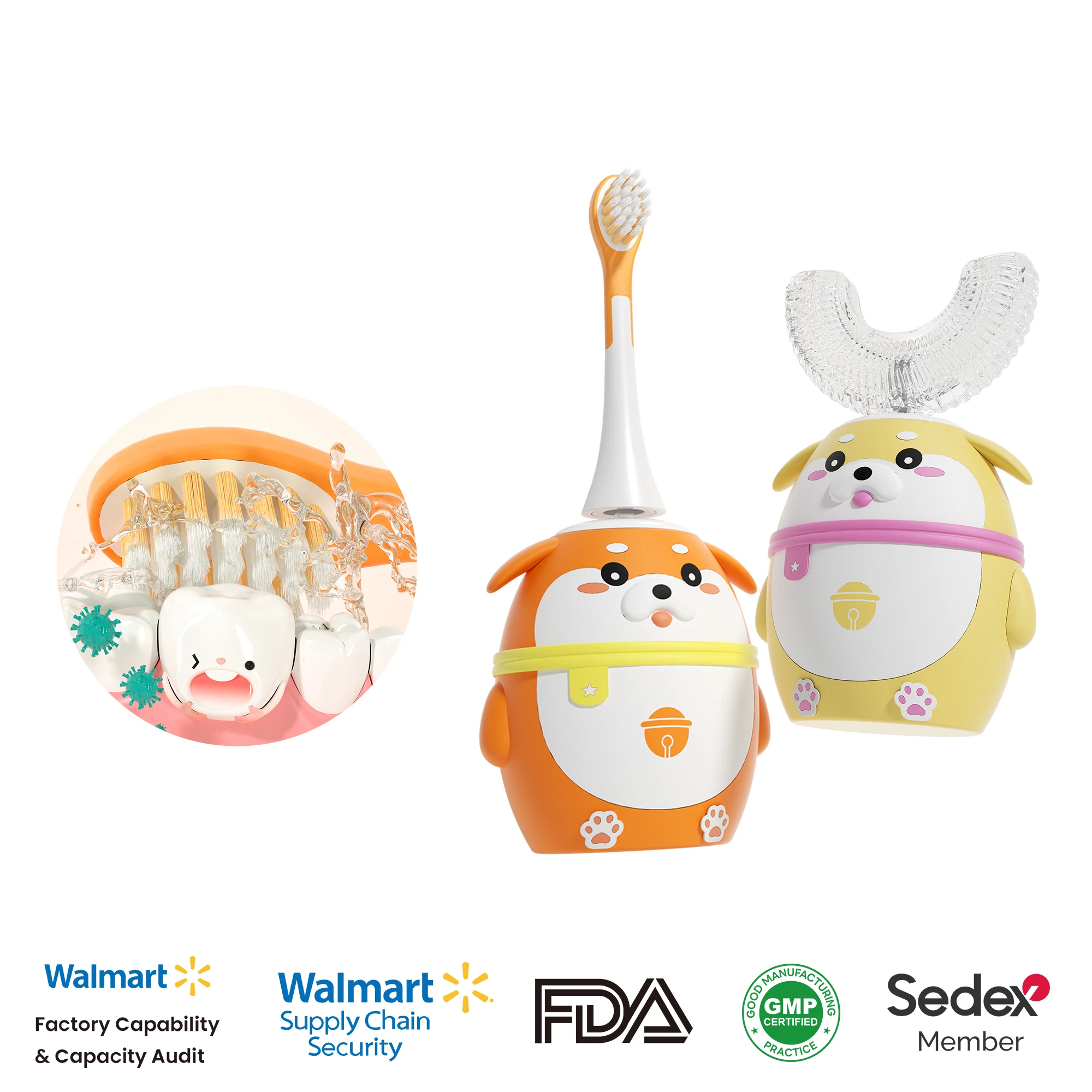
Technology can also help. Many parents find success using kid-friendly electric brushes that make brushing more engaging through vibration or lights. Options such as the kids electric toothbrush range from OralGos can reduce effort while increasing excitement.
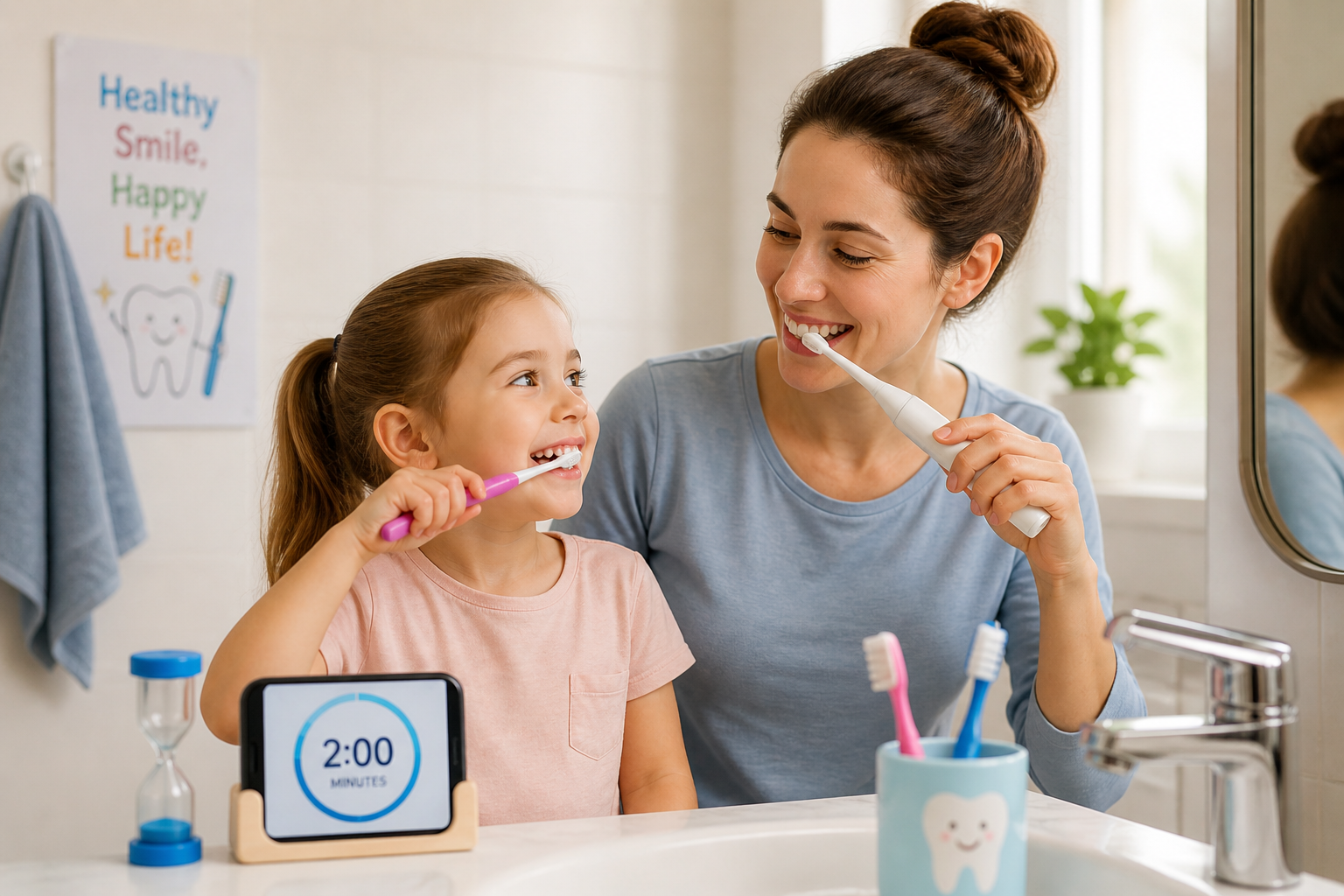
Another strategy is modeling behavior. When children see parents brushing consistently and happily, they are more likely to imitate the habit naturally. The American Dental Association notes that children learn best through observation and repetition, especially when caregivers demonstrate these habits.
You can also introduce a reward system, but keep it simple. Sticker charts or small weekly rewards can reinforce consistency without creating dependency on external incentives.
Get Kids to Brush Teeth: Building Long-Term Independence
Once brushing becomes part of the routine, the next goal is independence. To truly get kids to brush teeth without resistance long-term, the habit must shift from parent-led to child-owned.
Start by gradually reducing supervision. Rather than brushing for them, guide them while they brush. This builds confidence and responsibility. You can also encourage “mirror brushing,” where children watch themselves and check their technique.
Education plays a major role here. Simple explanations about cavities, sugar, and germs help children understand why brushing matters. Keep it visual and age-appropriate rather than technical or scary.
Another helpful approach is environment design. Keep toothbrushes visible and accessible. If brushing requires effort to set up, resistance increases. A consistent bathroom setup signals that brushing is just part of daily life.
Finally, it is important for parents to remain patient when setbacks occur. Some days will be easier than others, which is a normal part of habit formation. The goal is consistency over perfection.
Conclusion: Turning Resistance into Routine
Helping children develop good oral hygiene doesn’t require arguments or pressure. Instead, it requires structure, creativity, and patience. When you focus on engagement rather than enforcement, it becomes much easier to get kids to brush teeth consistently.
By using playful strategies, smart tools, and supportive routines, brushing can feel easier. It can change from a daily struggle into a natural habit. Over time, children not only brush without a fight, but they also begin to take ownership of their own dental health.
This is the real benefit: not just cleaner teeth today, but healthier lifelong habits.