Have you ever wondered why bad breath persists even after a thorough brushing and flossing session? The true source of the issue resides on the heavily textured surface of your tongue. Your tongue is not just for tasting; it is a complex landscape that can harbor billions of bacteria. Understanding the microscopic ecosystem of your mouth is the first step toward achieving truly fresh breath. Below, we explore the fascinating science of oral bacteria. You will also get a safe, step-by-step guide on how to clean your tongue without damaging its delicate surface.
The Micro-Science Behind Tongue Bacteria
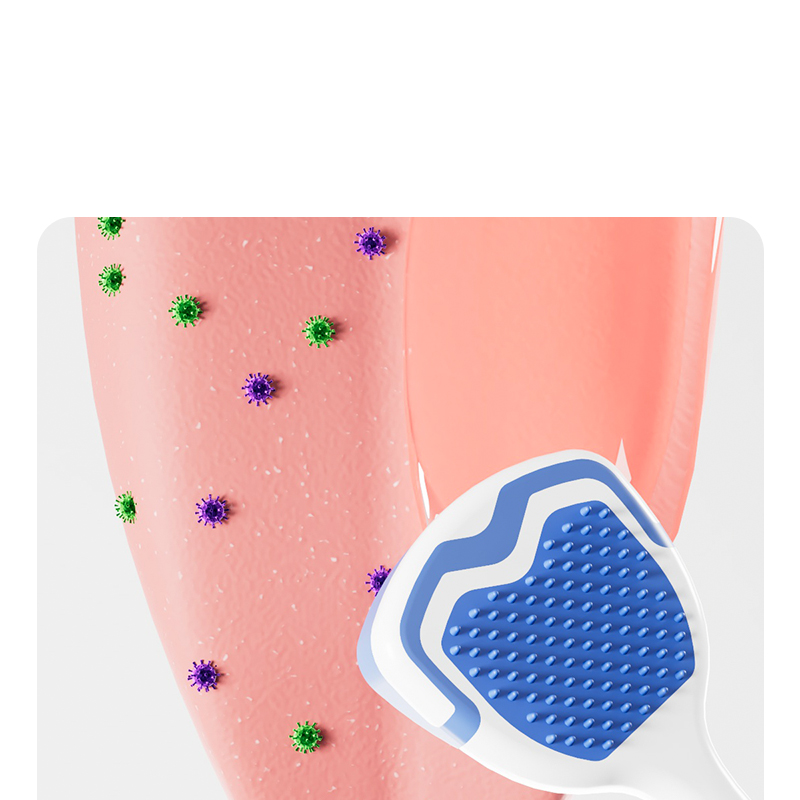
The surface of your tongue is not smooth. Thousands of tiny bumps called papillae coat its surface. These microscopic grooves and crevices easily trap food particles, dead cells, and bacteria.
According to research highlighted by the American Dental Association, hundreds of different bacterial species live in the human mouth. While many are harmless, certain anaerobic bacteria thrive in the low-oxygen environments of your tongue’s crevices. These bacteria break down proteins and produce volatile sulfur compounds (VSCs). These VSCs chemically cause that unpleasant “morning breath” or chronic halitosis.
Brushing your teeth only clears out about 25% of your mouth’s total surface area. Leaving the tongue untouched means leaving a major bacterial reservoir behind, which quickly moves back to your teeth and gums.
Step-by-Step Guide: How to Clean Your Tongue Correctly
To effectively eliminate VSCs and bacteria, you need a structured routine. Rather than scraping forcefully, focus on gentle, consistent biofilm removal. Here is how to clean your tongue safely using a systematic approach:
- Choose the Right Tool: Standard toothbrushes offer limited help. For a deep clean, a dedicated tongue scraper or hybrid brush removes bacterial biofilm much better.
- Extend and Inspect: Open wide and extend your tongue as far as comfortably possible. This grants maximum access to the back of the tongue, the main home for odor-causing bacteria.
- Scrape from Back to Front: Place your tool at the back of your tongue. Applying light, even pressure, pull the tool forward toward the tip. Never scrape backward, as this pushes bacteria further into your throat.
- Rinse and Repeat: Rinse the tool under warm water after every single stroke to wash away the scraped debris. Repeat this motion 4 to 5 times until the surface looks clean.
- Cleanse Your Mouth: Finally, rinse thoroughly with water or an alcohol-free mouthwash to clear away any remaining bacteria.
Choosing the Best Tools for Tongue Hygiene
Using the wrong tool or applying too much pressure can cause micro-trauma to your taste buds. Therefore, selecting tools shaped for your mouth is vital for safe cleaning.
Specialized Tongue Scrapers for Biofilm Removal
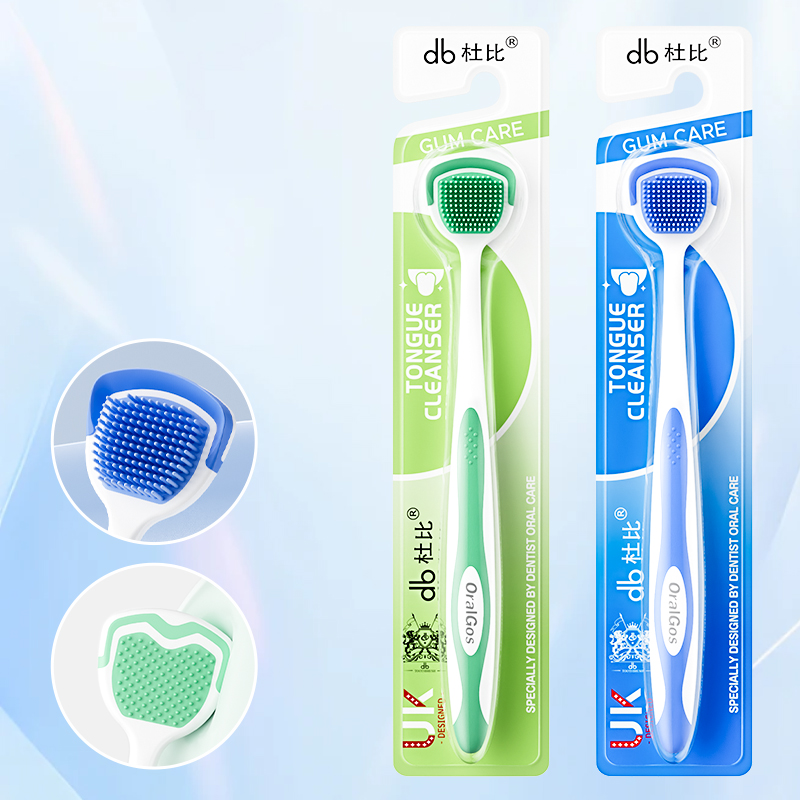
For optimal biofilm removal, a tool designed specifically for the tongue’s anatomy is ideal. The Oralgos Tongue Scraper Brush combines a firm scraping edge with gentle bristles. These bristles easily clean deep between your papillae, ensuring a safe yet thorough wash without irritation.
Dual-Purpose Toothbrushes with Built-In Tongue Cleaners
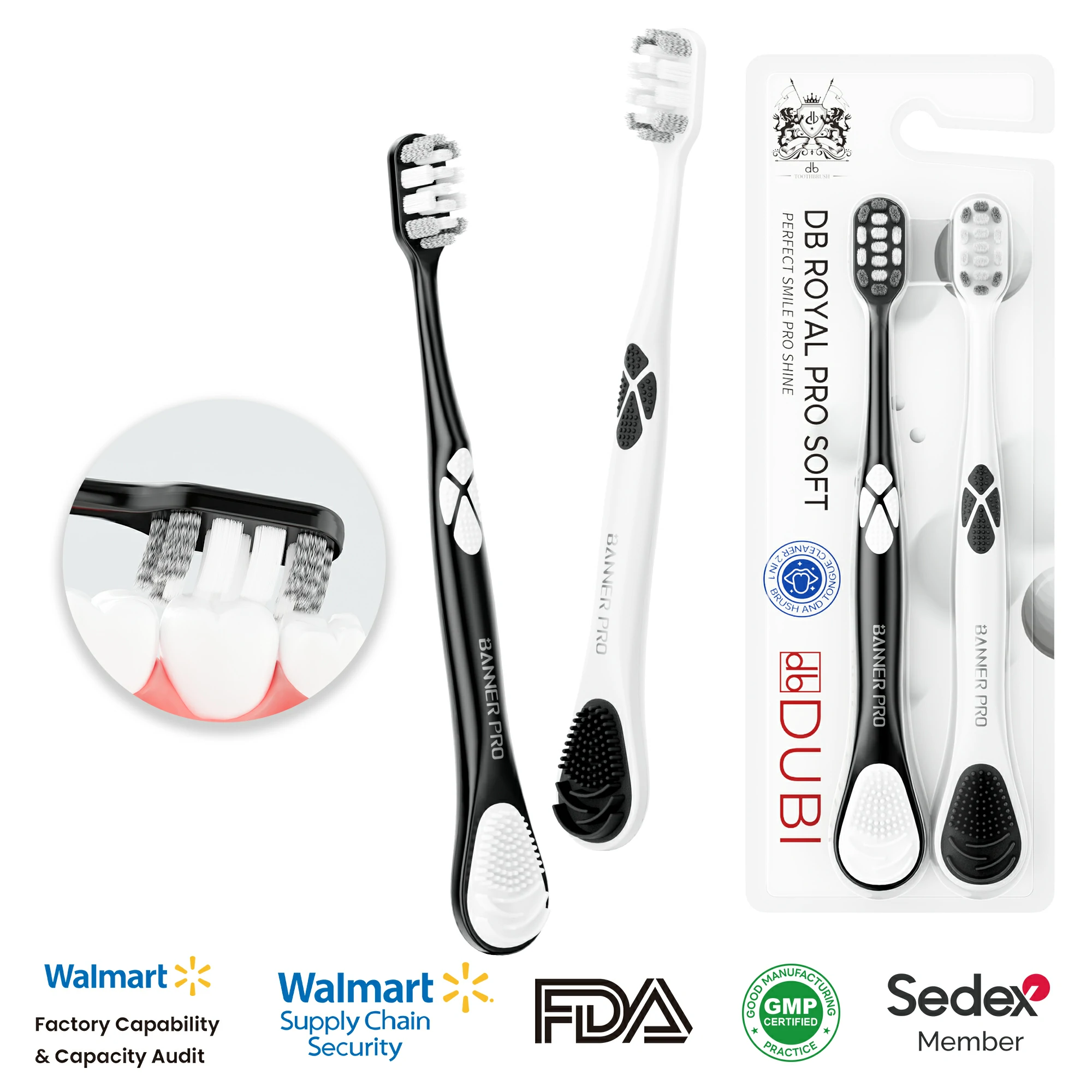
If you prefer a minimalist routine, dual-purpose dental tools are a fantastic alternative. With the Oralgos Double Deep Cleaning Toothbrush, you can easily flip the tool over. Its design features ultra-fine bristles on one end and a tongue cleaner on the other, allowing a seamless transition from teeth to tongue.
Safe Tongue Hygiene and Cleaning Tools for Kids
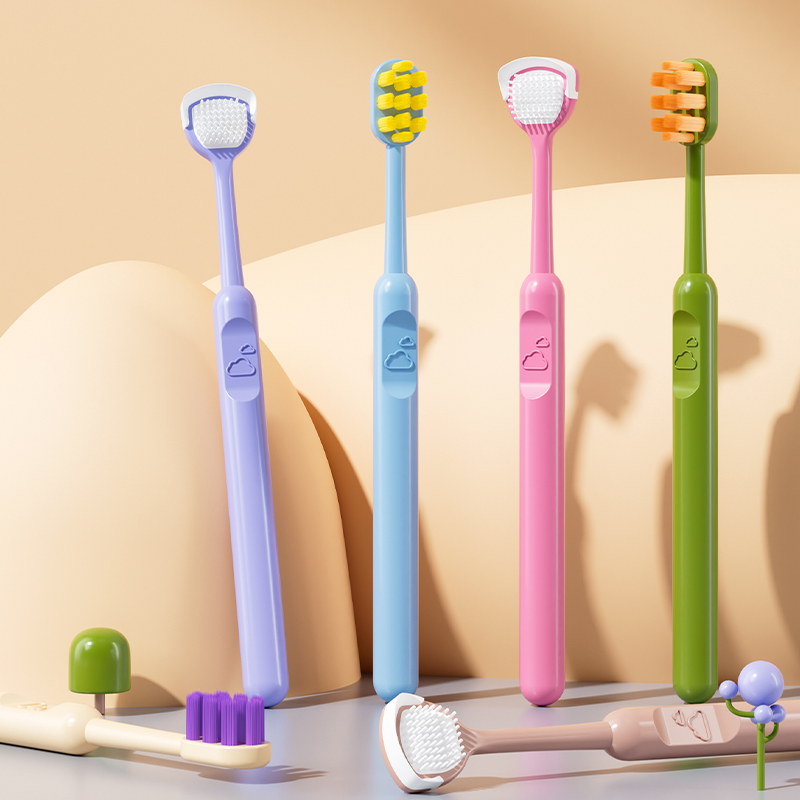
Children are also prone to bacterial buildup on their tongues, which can lead to early oral hygiene issues. Teaching children how to clean your tongue early requires softer, smaller tools. The Dr. Baek Kids Toothbrush Tongue Cleaner fits smaller mouths perfectly. Its specialized design ensures a safe, non-irritating, and intuitive oral care routine for developing children.
Safety Precautions and Best Practices for Tongue Cleaning
While maintaining tongue hygiene is essential, over-cleaning can lead to irritation or temporary loss of taste. Remember, your goal is to clear away loose biofilm, not to scrub or irritate the tongue’s natural surface.
- Avoid Excessive Pressure: If scraping hurts, you are pressing too hard. The bacterial layer is superficial and easily removed with minimal pressure.
- Manage the Gag Reflex: If the scraper triggers your gag reflex, start from the middle of your tongue. You can then work your way backward over a few weeks as your mouth adjusts.
- Keep Tools Clean: Wash your scrapers and brushes thoroughly with warm water after each use, and replace them every three months.
Make tongue cleaning a permanent part of your morning and evening oral care. Doing so drastically reduces bacteria, eliminates bad breath at its source, and improves your sense of taste.