Black toothpaste has become one of the biggest trends in modern oral care. Beauty bloggers and oral care brands often advertise charcoal toothpaste for teeth whitening and fresher breath.
But does it truly work, or is it simply another viral dental trend?
The reality is more complicated than many advertisements suggest. Charcoal-based formulas may help remove surface stains. However, consumers should also understand their limitations before using them every day.

Does Charcoal Toothpaste Really Whiten Teeth?
Many people buy charcoal toothpaste hoping for dramatic whitening results. Activated charcoal attracts attention because it can absorb substances in medical and filtration applications.
However, teeth whitening works differently.
Most charcoal oral care products whiten teeth through abrasion rather than bleaching. The tiny charcoal particles help polish away external stains caused by coffee, tea, wine, or smoking. This can make teeth appear cleaner and brighter temporarily.
Unlike professional whitening or peroxide-based products, activated charcoal toothpaste does not alter the natural color of enamel.
For this reason, dental experts often describe the whitening effect as “surface-level” rather than deep whitening.
How Activated Charcoal Toothpaste Works
To understand whether charcoal-based toothpaste is effective, it helps to examine how the ingredients interact with teeth.
The Abrasive Cleaning Effect
Most whitening charcoal paste products rely on mild abrasion. As users brush, the charcoal particles scrub away plaque, debris, and surface discoloration.
This polishing effect explains why many people notice smoother-feeling teeth after using these products.
However, not all black whitening toothpaste formulas are equally gentle. Some products may contain abrasive particles that gradually wear down enamel if used too aggressively or too often.
Because enamel cannot regenerate naturally, dentists recommend caution when using highly abrasive whitening products.
The American Dental Association also encourages consumers to choose oral care products supported by scientific evidence and safe enamel practices. More information is available on the official website: American Dental Association
Benefits and Risks of Black Whitening Toothpaste
Like many oral care products, charcoal dental formulas offer both advantages and disadvantages.
Potential Benefits
Some users prefer activated charcoal toothpaste because it may:
- Remove certain surface stains
- Create a cleaner brushing sensation
- Support a more natural product image
- Freshen breath temporarily
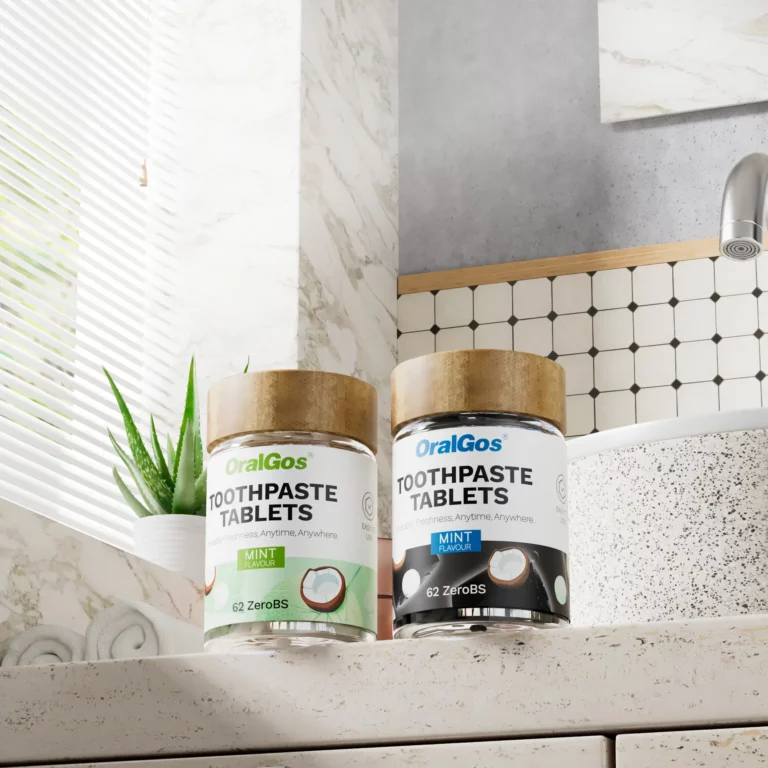
Some fluoride-free charcoal toothpaste products, like OralGos, target consumers who prefer alternative oral care routines.

Possible Risks
Despite its popularity, black whitening toothpaste may also present concerns:
- Excessive abrasion may weaken enamel over time
- Some products lack fluoride protection
- Whitening results are often temporary
- Sensitive teeth may react poorly to rough formulas
For people with enamel erosion or tooth sensitivity, dentists often recommend consulting a dental professional before regularly using abrasive whitening products.
Charcoal Toothpaste vs Traditional Whitening Methods
There is an important difference between charcoal toothpaste and traditional whitening products.
Conventional whitening toothpastes often contain ingredients such as hydrogen peroxide or carbamide peroxide. These agents help break down deeper stains beneath the enamel surface.
In contrast, charcoal-based toothpaste primarily targets external discoloration through physical cleaning.
This means:
- Traditional whitening products focus on chemical whitening
- Activated charcoal toothpaste focuses on surface stain removal
As a result, users expecting dramatic whitening may feel disappointed if they rely only on charcoal dental formulas.
Should You Use Charcoal-Based Toothpaste Daily?
Daily use depends largely on the specific formula and the condition of your teeth.
Many dentists suggest using charcoal oral care products occasionally rather than exclusively. A balanced oral hygiene routine should still include:
- Fluoride protection
- Soft-bristle brushing
- Daily flossing
- Regular professional cleanings
Using whitening charcoal paste too aggressively can increase the risk of enamel wear, especially when people brush too hard.
Moderation is usually the safest approach.
Myths and Facts About Activated Charcoal Toothpaste
There are many false claims about black toothpaste products online. Separating myths from facts helps consumers make smarter decisions.
Myth: Charcoal Toothpaste Detoxifies Teeth
There is little scientific evidence showing that teeth need to be “cleansed of toxins.” Teeth are not absorbent organs like skin or digestive tissues.
Myth: Black Toothpaste Permanently Whitens Teeth
Most whitening effects come from removing surface stains, not changing the true enamel color.
Myth: Natural Products Are Always Safer
Natural ingredients can still damage enamel if the formula is overly abrasive.
Understanding these facts allows consumers to use charcoal oral care product more responsibly.
Final Thoughts
Charcoal toothpaste can reduce surface stains and make teeth look more polished. However, it is not a miracle whitening solution. Most products work through abrasion rather than deep bleaching, and overuse may contribute to enamel wear.
For consumers interested in trying activated charcoal toothpaste, moderation and product quality matter significantly. Choosing enamel-safe formulas and keeping a balanced oral care routine are the best ways to maintain long-term dental health.
In the end, healthy teeth depend less on viral trends and more on consistent daily care supported by science.