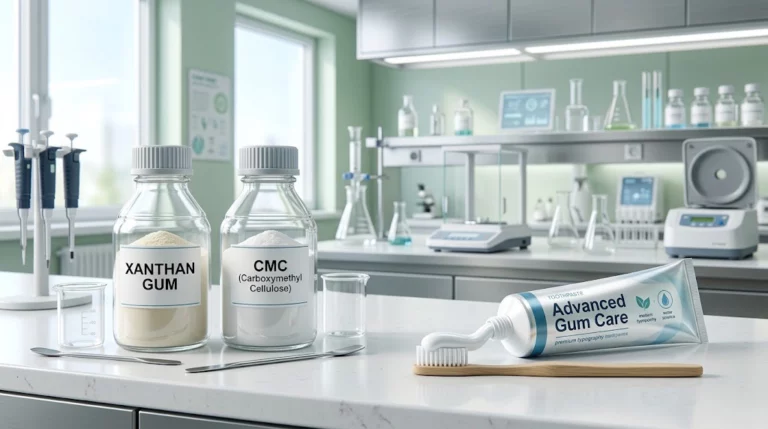
Maintaining an excellent oral hygiene routine often requires combining different dental tools. While standard protocols mandate brushing, flossing, and antibacterial rinsing, integrating these steps can significantly optimize daily oral hygiene efficiency. A common question that arises for many dental care enthusiasts is: can you put mouthwash in a water flosser?
Blending the hydro-pressure of an oral irrigator with an antibacterial mouth rinse is highly appealing. This combination appears to be the most efficient method for achieving a thoroughly
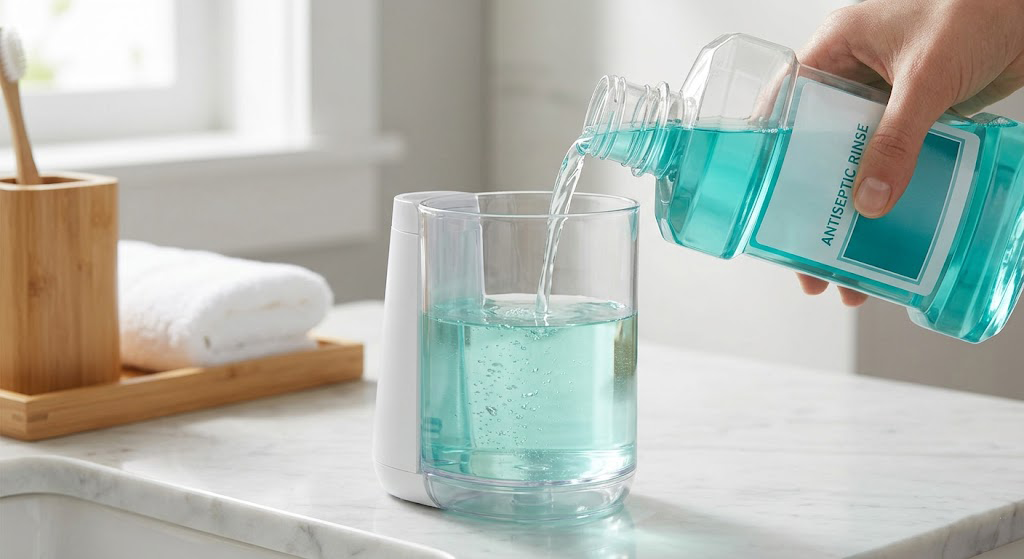
clean mouth. However, pouring anything other than plain water into your dental equipment requires careful consideration. Here is a comprehensive guide to understanding whether this practice is safe for both your oral health and your device.
The Benefits: Why Mix Mouthwash and Water Flossers?
Using a water flosser is highly effective for removing plaque from hard-to-reach interdental spaces. When you add an antimicrobial or fluoridated rinse to the mix, you essentially supercharge the device.
The primary advantage is targeted delivery. Standard rinsing only coats the surface of your teeth and tongue. A water flosser, however, pushes the fluid deep into the periodontal pockets and between tightly packed teeth.
If you use a therapeutic mouthwash, this targeted stream delivers active antibacterial ingredients directly to the areas most vulnerable to gingivitis and decay. Furthermore, this practice ensures prolonged oral freshness.
The Risks: Can You Put Mouthwash in a Water Flosser Safely?
While the oral health benefits are clear, the mechanical risks to your device are significant. Before you fill the reservoir with pure mouthwash, you need to understand how different ingredients affect internal components.
Potential Damage to Device Components
Most standard oral irrigators are designed exclusively for clean, lukewarm water. Mouthwashes often contain heavy essential oils, alcohol, flavoring agents, and dyes. Over time, these ingredients can create a sticky residue inside the internal pump, tubes, and tips. This buildup restricts water flow, reduces pressure, and can ultimately cause the motor to burn out prematurely.
Risk of Bacterial Growth
Without proper rinsing, the organic compounds in mouthwash will settle inside the reservoir and tubes. This creates an environment where bacteria and mold can thrive, completely undermining the hygienic purpose of the tool.
How to Correctly Use Mouthwash in Your Oral Irrigator
To safely enhance your routine and protect the device, you must follow specific maintenance guidelines. You should never use a 1:1 ratio of undiluted mouthwash. Instead, the safest approach is a diluted mixture.
The Recommended Dilution Ratio
To protect your equipment, fill the reservoir mostly with warm water and add just a splash of mouthwash. A safe standard ratio is one part mouthwash to three or four parts water. This provides the antibacterial benefits and fresh taste without creating a solution thick enough to clog the internal mechanics.
Maintenance is Essential
Every time you add a rinse to your reservoir, you must flush the system afterward. After flossing, empty any remaining mixture from the tank. Then, refill the reservoir with clean, warm water and run the device until it is completely empty. This simple step clears out any residual chemicals or oils, ensuring your device remains clean and functional.

Alternative Solutions for Premium Device Longevity
If you are worried about damaging your current oral irrigator, you have two excellent alternatives. First, alter your sequence by using the water flosser with plain water to clear away debris. Afterward, perform your standard rinse with mouthwash normally.
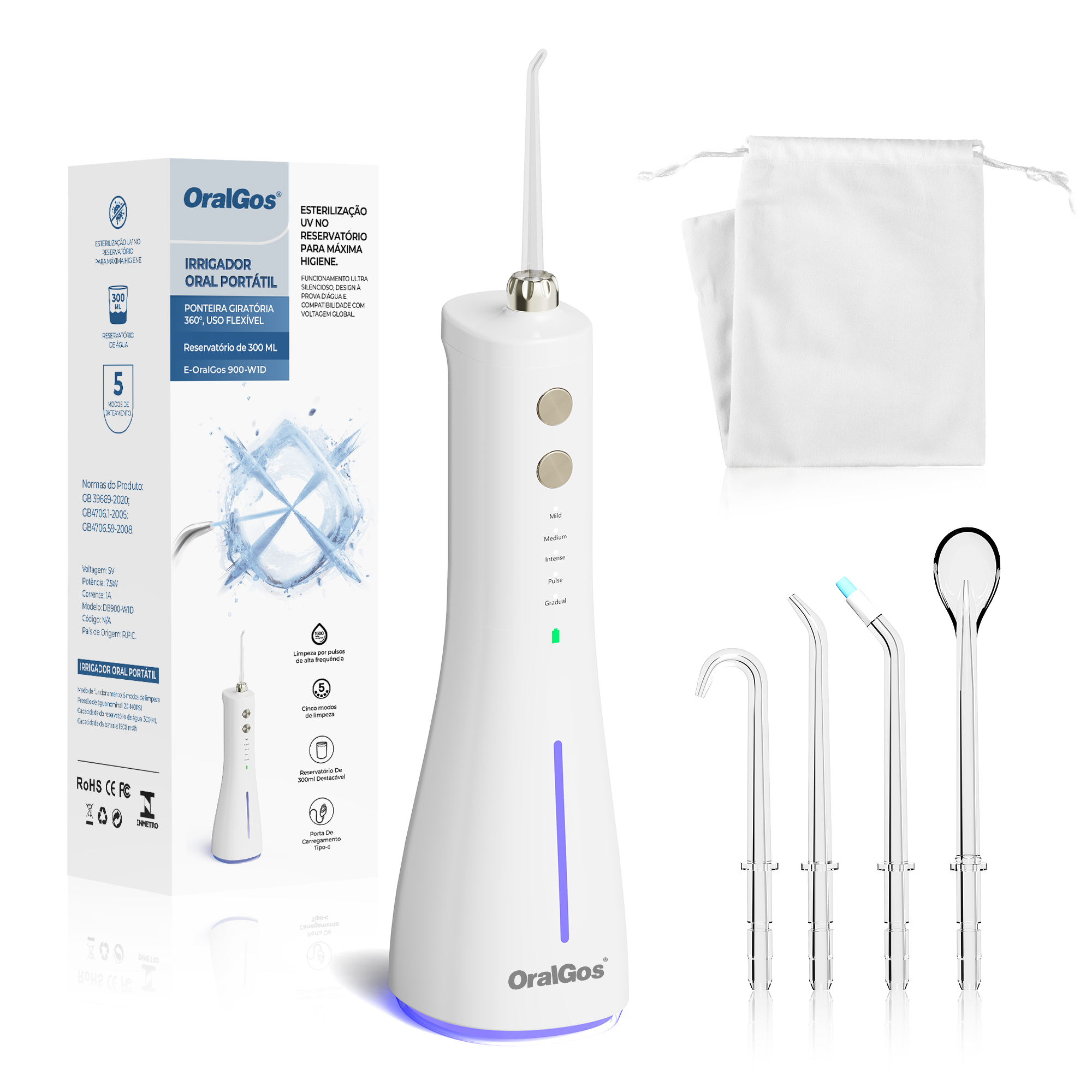
Second, you can upgrade to a device designed to handle advanced cleaning solutions. Modern dental technology now features high-end oral irrigators with specialized internal systems. For example, built-in UVC sanitization chambers eliminate bacteria without relying on chemical additives. Explore durable, high-hygiene options by viewing the premium selection in our water flosser category.
Final Verdict: Can You Put Mouthwash in a Water Flosser?
In conclusion, can you put mouthwash in a water flosser? Yes, you can, but you must do it with caution. Diluting the rinse and performing a clean water flush afterward are mandatory steps to protect your investment.
According to American Dental Association guidelines, water flossers can reduce plaque and gingivitis when used correctly. Always read your device’s manual before adding solutions. Some manufacturers may void the warranty if you use liquids other than water. By balancing proper dilution and regular device care, you can enjoy a healthier smile and fresher breath.