Maintaining a bright, healthy smile seems simple enough: you apply toothpaste, scrub for a bit, rinse, and go. However, good oral care involves more than most people think. Many of us unwittingly practice habits that can actually harm our teeth and gums over time. Are you harming your dental health without knowing it? Here are 10 common brushing mistakes and how to correct them for a healthier smile.
1. Brushing Too Hard (Aggressive Scrubbing Mistakes)
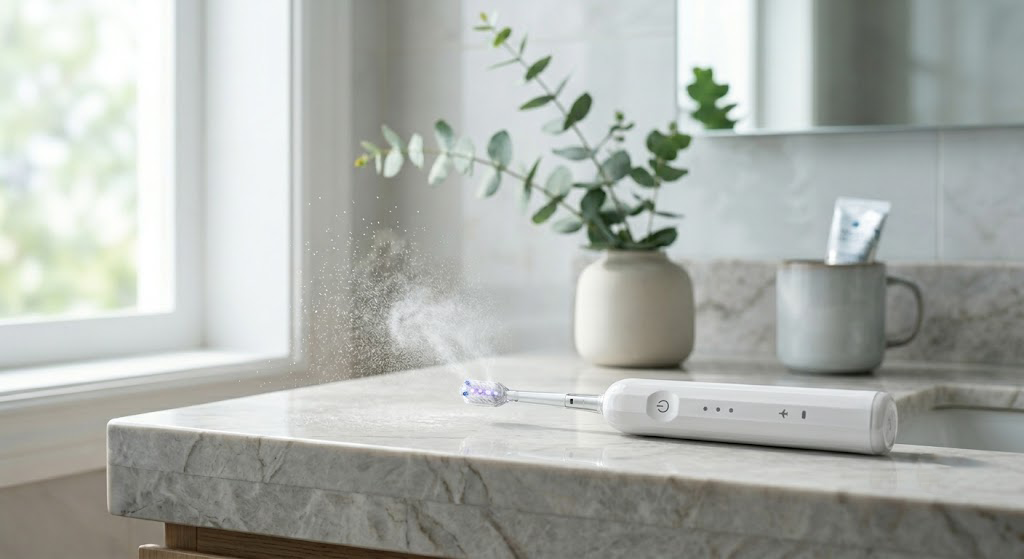
One of the most frequent brushing mistakes is assuming that harder scrubbing equals cleaner teeth. In reality, aggressive brushing acts like sandpaper on your mouth. It slowly wears down your tooth enamel—the protective outer layer—and leads to gum recession.
Receding gums expose tooth roots, leading to painful sensitivity to hot and cold. Instead of scrubbing, think of brushing as a gentle massage for your teeth and gums.
2. Using the Wrong Toothbrush: A Common Brushing Error
The aisles of grocery stores are packed with toothbrush options, but picking the wrong one can jeopardize your oral health. Many people mistakenly buy medium or firm bristles, believing they clean more effectively. In fact, the American Dental Association (ADA) advises using soft toothbrushes to avoid damaging your teeth and gums.
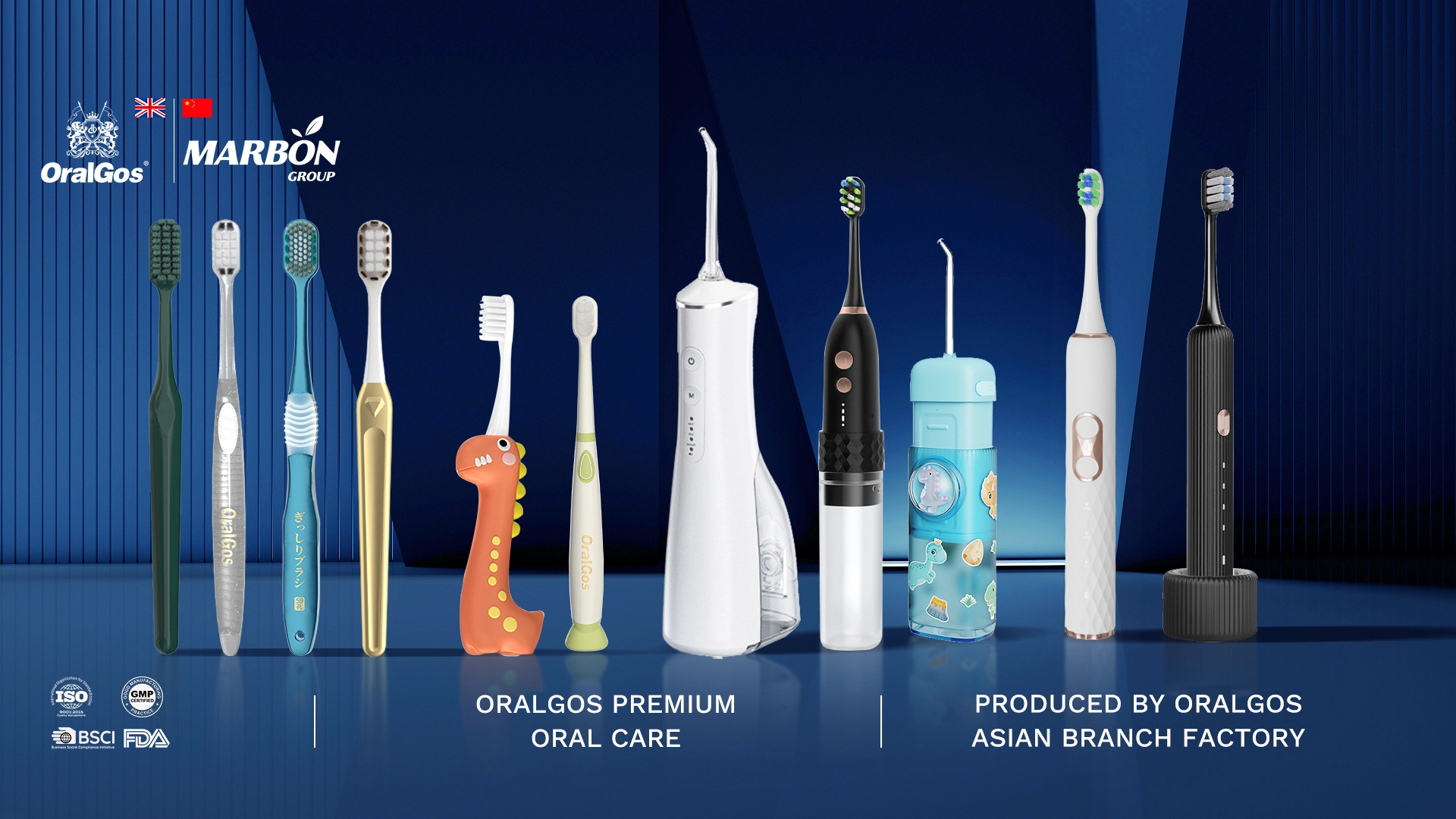
If you brush too hard, switching to an electric toothbrush helps regulate your pressure automatically. For instance, an electric toothbrush regulates pressure to ensure a safe, deep clean. If you prefer a traditional approach, just ensure you select a dentist-approved manual toothbrush with ultra-soft bristles.
3. Rushing the Process (The Two-Minute Brushing Rule)
The average person brushes their teeth for less than 45 seconds. While it might feel like you’ve been brushing for a while, a quick swipe leaves behind substantial amounts of plaque.
Dentists universally agree that you need to brush for at least two full minutes, twice a day. To hit this mark, split your mouth into four quadrants(upper right, upper left, lower right, lower left). Spend 30 seconds cleaning each section.
Key Brushing Mistakes: Timing and Angles
4. Brushing at the Wrong Angle: Common Technique Mistakes
How do you hold your toothbrush against your teeth? If you hold it flat at a 90-degree angle, you are missing the most critical area: the gumline.
Plaque loves to hide where your teeth meet your gums. To effectively clear it away, angle your brush at a 45-degree angle toward the gumline. Use short, gentle, circular strokes instead of scrubbing back and forth.
5. Keeping Your Toothbrush Too Long (Hygiene Brushing Errors)
When was the last time you changed your toothbrush or brush head? Forgetting the date means your toothbrush is too old.
Frayed, bent, or splayed bristles lose their effectiveness and cannot reach tricky crevices. Furthermore, old toothbrushes accumulate bacteria over time. Replace your manual toothbrush or electric brush head every three to four months. Change it sooner if you get sick.
6. Neglecting Inside Surfaces and Back Teeth
Many people focus solely on the “social six”—the front teeth that everyone sees when you smile. However, the back surfaces of your teeth are just as prone to cavities and tartar buildup. Make sure you consciously brush the tongue-side surfaces of your teeth. For the front teeth, flip your toothbrush vertically and make several up-and-down strokes.
7. Brushing Immediately After Eating: A Major Enamel Mistake
Brushing right after a meal seems helpful. However, doing so can actually damage your enamel. When you eat acidic foods or drinks (like citrus, coffee, tomatoes, or soda), your tooth enamel temporarily softens.
If you brush immediately, you scrub that acid directly into the enamel. Rinse your mouth with water right after eating, then wait 30 minutes before brushing.
8. Rinsing with Water Right After Brushing
Do you spit out your toothpaste and immediately rinse your mouth with water? If so, you are washing away all the beneficial ingredients of your toothpaste. Fluoride requires time to sit on the surface of your teeth to help remineralize the enamel.
Do not rinse with water after brushing. Just spit out the excess foam to let the toothpaste protect your teeth.
9. Ignoring Your Tongue and the Rest of Your Mouth
Your teeth only make up about 25% of your mouth. Bacteria also coat your tongue, cheeks, and the roof of your mouth, which can contribute to chronic bad breath and plaque formation. After brushing, gently clean your tongue with your toothbrush or a tongue scraper to remove bacteria.
10. Forgetting to Clean Between Your Teeth (Interdental Mistakes)
No matter how advanced your toothbrush is, its bristles simply cannot reach the tight spaces between your teeth. Skipping floss is a major brushing mistake. It leaves nearly 40% of your tooth surfaces uncleaned.
If traditional string floss feels tedious or difficult to maneuver, you don’t have to skip this step entirely. A water flosser is a gentle, effective alternative. Its water stream easily clears plaque from between your teeth and under the gumline.
Conclusion: Correcting Your Daily Brushing Routine
Good oral health comes down to daily habits and the right technique. Correct these brushing mistakes to protect your teeth and gums. A proper routine keeps your smile healthy and radiant. Start implementing these small adjustments into your morning and nightly routines today—your dentist will thank you at your next check-up!