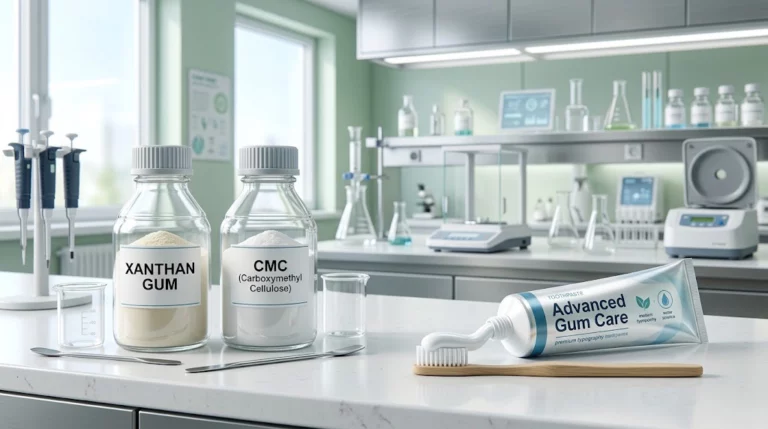
Removing your braces is a major milestone, but it can sometimes reveal unexpected chalky white spots on your teeth. Preventing white spots after braces is essential to maintain a healthy, beautiful smile.
These blemishes, medically known as white spot lesions (WSLs), represent early-stage tooth decay. Fortunately, with the right approach and specialized tools, you can ensure your teeth look pristine the day your braces come off.

Understanding White Spots on Teeth After Braces
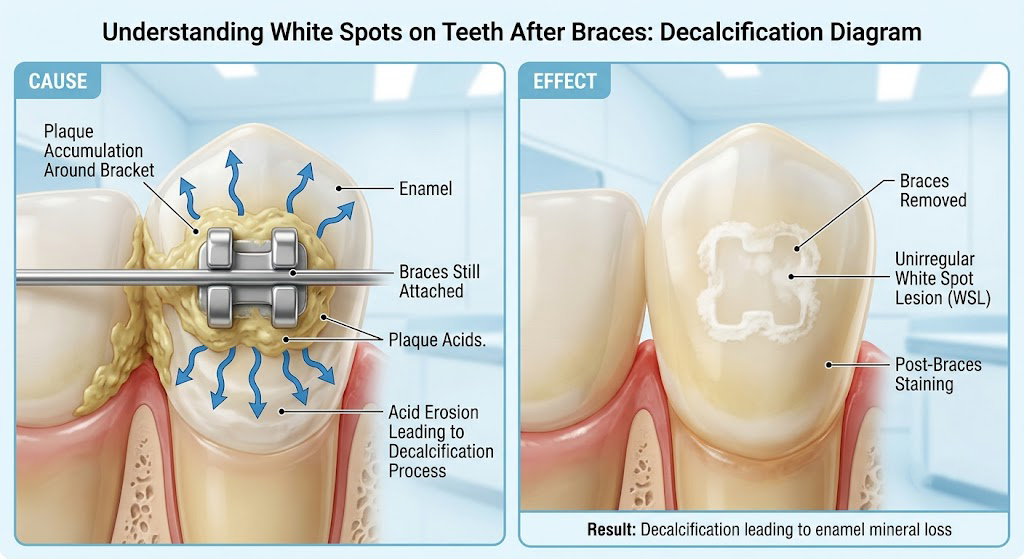
To address this issue effectively, it helps to understand what causes these marks. White spot lesions occur due to decalcification. This process happens when dental plaque acids strip essential minerals like calcium from the enamel.
Fixed orthodontic appliances create numerous micro-spaces where food particles and biofilm accumulate. If plaque remains stagnant around the brackets, the localized acid production weakens the enamel surface. This structural change alters how light reflects off the tooth, resulting in an opaque, white appearance.
According to research highlighted by the American Dental Association, maintaining meticulous oral hygiene during orthodontic treatment is the primary defense against enamel demineralization. Once decalcification occurs, the underlying enamel becomes porous and highly vulnerable to full-cavity formation.
Daily Habits to Prevent White Spots on Teeth After Braces
Preventing decalcification requires a rigorous, non-negotiable daily routine. Standard brushing methods often fall short when navigating wires and bands.
1. Master the Brushing Technique to Avoid Enamel White Spots
Brush your teeth at least three times a day, ideally after every meal. Position your brush at a 45-degree angle to clean both above and below the brackets. Pay close attention to the zone between the gums and the bracket base, as this is where plaque accumulates fastest.
2. Implement Advanced Interdental Cleaning Against Plaque Acids
Traditional flossing becomes highly difficult with an archwire. However, bypassing this step allows plaque to mature between the teeth and around bracket margins. An advanced water flosser uses micro-bubbles to clear trapped food and flush away acidic plaque from hard-to-reach areas.
3. Incorporate Fluoride to Prevent Mineral Loss After Braces
Using a fluoride-enriched or nano-hydroxyapatite toothpaste strengthens vulnerable enamel. Fluoride integrates into the tooth structure to form fluorapatite, which resists acid attacks more effectively than natural enamel. Supplementing this with an alcohol-free fluoride mouthwash provides an extra layer of defense.
Advanced Tools to Protect Enamel and Avoid Post-Braces Staining
Standard manual toothbrushes are rarely sufficient for the complex architecture of fixed braces. Dental professionals highly recommend specialized technology to maximize plaque removal and prevent white spots on teeth after braces.
Specialized Orthodontic Toothbrushes for Plaque Removal
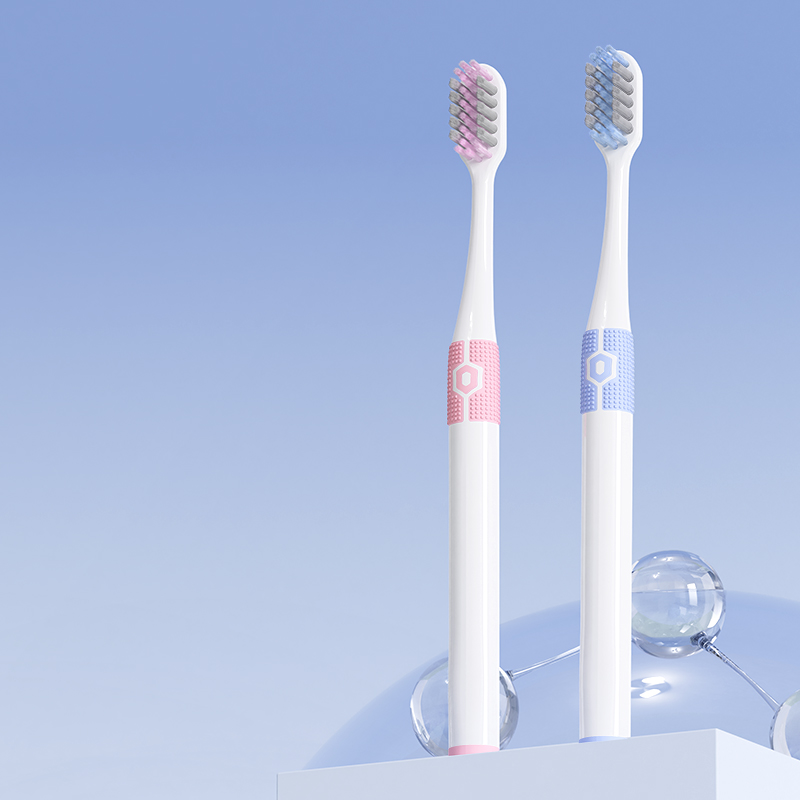
A standard flat-trimmed toothbrush cannot clear plaque efficiently from the sides of a bracket. Orthodontic toothbrushes use a unique V-channel design. Shorter center bristles clean around the brackets, while longer outer bristles simultaneously sweep the tooth surfaces and gumline. This design ensures comprehensive contact and removes biofilm before it can trigger tooth decay.
Targeted Hydro-Flossing to Stop Decalcification Around Brackets

For thorough interdental and subgingival cleaning, a targeted water jet is invaluable. A portable cordless water flosser allows you to maintain optimal hygiene protocols while away from home. This pressurized water stream removes food from braces far better than string floss. This significantly lowers the risk of stains after braces.
Dietary Adjustments to Stop Demineralization After Braces
Your dietary choices directly impact the rate of plaque acid production. Minimizing specific groups of food and beverages can drastically reduce decalcification risks.
- Eliminate Sugary and Acidic Beverages: Sugary and acidic drinks introduce harmful acids into the mouth and feed plaque bacteria. Stick to pure water to rinse away debris and maintain a neutral oral pH.
- Avoid Sticky, Starch-Heavy Foods: Sticky foods like dried fruits, caramels, and chips cling to braces easily. This traps harmful acids against your teeth for a longer time.
- Increase Calcium-Rich Options: Consuming dairy foods, leafy greens, and almonds provides the systemic minerals necessary to support natural salivary remineralization.
Professional Care to Treat Enamel White Spot Lesions
Regular visits to your dentist and orthodontist are critical. Professional cleanings every three to six months allow for the early detection of demineralization. If white spots appear early, a dentist can apply high-concentration fluoride to stop further mineral loss.
Post-orthodontic care requires dedication. Combine a proper diet, solid routines, and specialized tools to keep your teeth healthy and free of white spots after braces.