Maintaining a healthy smile requires a few simple habits. You should brush twice a day, limit sugar, and visit your dentist regularly. But when you stand at your sink at night, a lingering question often arises: should you floss before or after brushing?
For decades, this simple sequencing question has sparked friendly debates among dental hygiene enthusiasts. Some prefer to clear the debris first, while others like to finish their routine with a deep floss. Let’s dive into the science of oral care and settle the floss before or after brushing debate once and for all.
Why the Brushing and Flossing Order Matters for Your Smile
At first glance, it might seem like the order doesn’t matter as long as you do both. However, your oral hygiene routine is more than removing food particles. It also helps you get the most from your tools and products.
Your mouth is home to millions of bacteria that form a sticky film called plaque. If left untreated, plaque hardens into tartar, leading to cavities and gum disease. While both brushing and flossing disrupt this biofilm, they target different areas of your mouth.
Brushing cleans the front, back, and chewing surfaces of your teeth. However, only floss can navigate the tight spaces between them where bristles cannot reach.
The Ultimate Answer: Floss Before or After Brushing?
According to clinical studies and leading dental organizations, the verdict is clear: you should floss before brushing.
While doing it in reverse is still better than not flossing, switching the order has clear scientific benefits.
1. Enhanced Plaque Removal
When you floss first, you loosen particles, debris, and plaque lodged between the teeth. If you brush afterward, the bristles of your toothbrush can easily sweep away these newly dislodged particles. If you brush first, you break up surface plaque, but flossing afterward leaves the released debris sitting in your mouth until your next rinse.
2. Superior Fluoride Delivery
This is perhaps the most compelling argument for flossing first. Most modern toothpastes contain fluoride, a mineral that strengthens tooth enamel and prevents decay. When you floss first, you clear the physical barriers between your teeth. This allows the fluoride from your toothpaste to actually penetrate those tight interdental spaces during your subsequent brush.
According to a study cited by the American Dental Association, flossing before brushing lowers plaque levels. It also helps more fluoride stay between your teeth.
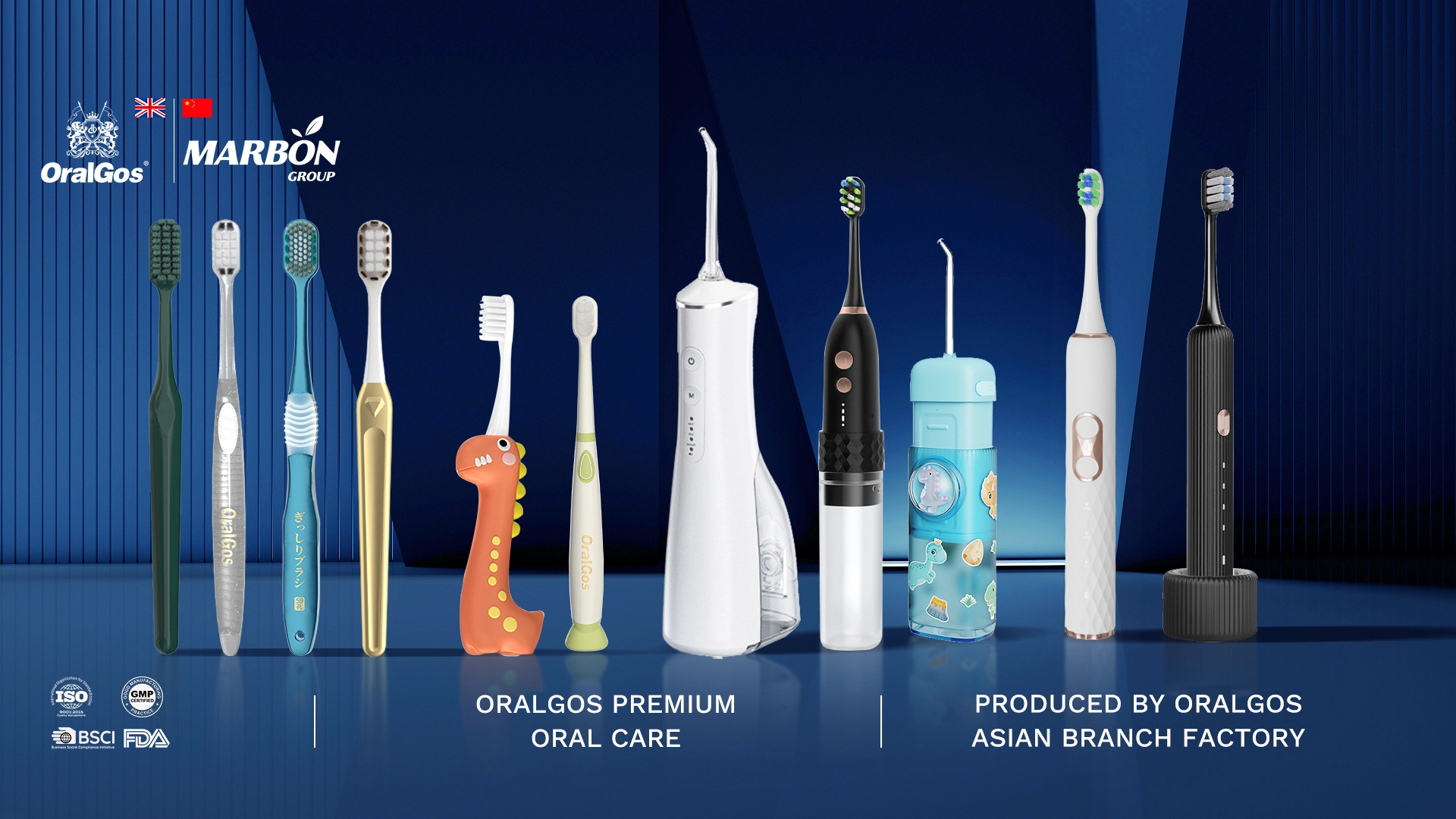
Should You Brush or Floss First? Choosing the Right Tools
Now that we have settled whether to floss before or after brushing, the next step is optimizing your toolkit. The right sequence only works if you are using effective instruments to clean your mouth.
Upgrading Your Brush
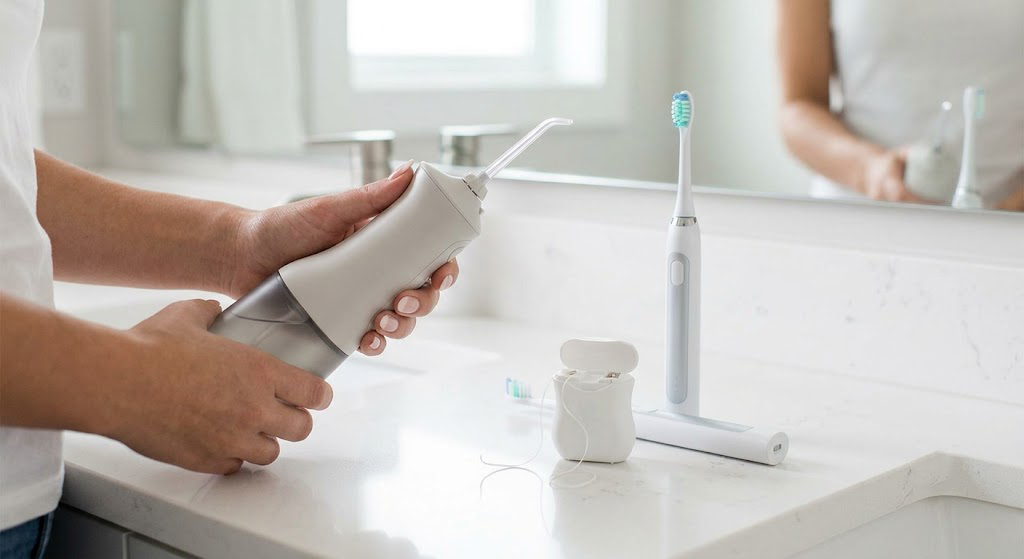
To get the most out of your post-floss brush, consider the type of toothbrush you use. While a high-quality manual toothbrush gives good control, many dentists recommend switching to an electric toothbrush. Electric models deliver thousands more brush strokes per minute than human hands. This helps remove more plaque along the gumline.
Modernizing Your Flossing Technique
Traditional string floss is highly effective, but it can be difficult to maneuver. This is especially true for individuals with braces, dental bridges, or arthritis. If you struggle with string, a water flosser is a game-changing alternative.
Water flossers use a targeted stream of pressurized water to flush out deep plaque and debris. This method makes your pre-brushing routine quick, easy, and very gentle on sensitive gums.
Step-by-Step: The Ideal Order of Brushing and Flossing
Follow this step-by-step guide from dental professionals to optimize your daily routine:
- Step 1: Floss thoroughly. Use string floss or a water jet to clear out the tight spaces between every single tooth.
- Step 2: Brush for two minutes. Use a fluoride toothpaste and gently brush all surfaces of your teeth using circular motions at a 45-degree angle to your gums.
- Step 3: Spit, don’t rinse. Avoid rinsing your mouth with water immediately after brushing. Leaving a thin layer of toothpaste residue allows the fluoride to continue protecting your enamel.
- Step 4: Clean your tongue. Use your toothbrush or a dedicated tongue scraper to remove bacteria that cause bad breath.
Conclusion: Consistency Matters More Than the Floss First Debate
While science firmly tilts the scale toward flossing before you brush, the most critical factor will always be consistency. If you find it impossible to break your habit of brushing first, do not stop flossing altogether. Consistency and proper technique matter far more than perfect sequencing.
To optimize your oral health and maximize your toothpaste’s fluoride, make the switch today. Clear the way with floss first, and then lock in the protection with your toothbrush.