Most of us are fiercely loyal to our toothbrushes and floss for daily oral hygiene. We brush for two minutes, clean between our teeth, and rinse with mouthwash, assuming our mouth is perfectly clean. Yet, millions of people still struggle with persistent halitosis. If you are brushing diligently but still fighting an unpleasant odor, you might be missing the real culprit: your tongue. The surface of your tongue is not smooth; tiny bumps called papillae cover it. These structures act like a plush carpet, trapping food particles, dead cells, and millions of bacteria. Using a dedicated tongue cleaner daily is the most effective way to clear this buildup and freshen your breath.

How a Tongue Cleaner Targets the Root Cause of Halitosis
Understanding why brushing is insufficient requires examining the origins of bad breath. Bacteria in the mouth produce volatile sulfur compounds (VSCs) that cause up to 90% of halitosis cases. These bacteria thrive in the oxygen-deprived crevices at the back of the tongue.
Toothbrushes clean hard teeth effectively, but their soft bristles merely move bacteria around on the tongue. In contrast, a tongue cleaner scrapes the surface directly. This action lifts and removes the bacterial coating.
By dragging a scraper from the back of your tongue to the front, you directly remove the bacteria responsible for those foul-smelling VSCs. Clinical studies highlighted by the American Dental Association show that scraping your tongue twice daily significantly reduces odor-causing bacteria. In fact, this practice outperforms toothbrushes for managing long-term freshness.
Restoring Balance to Your Oral Microbiome
Your mouth is home to a complex ecosystem of microorganisms known as the oral microbiome. Just like your gut, your mouth requires a delicate balance of beneficial and harmful bacteria to stay healthy. Accumulated food debris and dead cells create an ideal breeding ground for harmful anaerobic bacteria.
An overgrowth of these bacteria causes more than just bad breath. It also contributes to tooth decay, gum disease, and other systemic health issues. When you use a tongue cleaner, you disrupt this stagnant bacterial biofilm.
By regularly clearing away the debris that feeds harmful microbes, you help maintain a healthy oral microbiome. A balanced microbiome supports oral defenses, enhances taste, and empowers good bacteria to protect your teeth and gums.
Choosing the Right Tongue Cleaner for Your Family
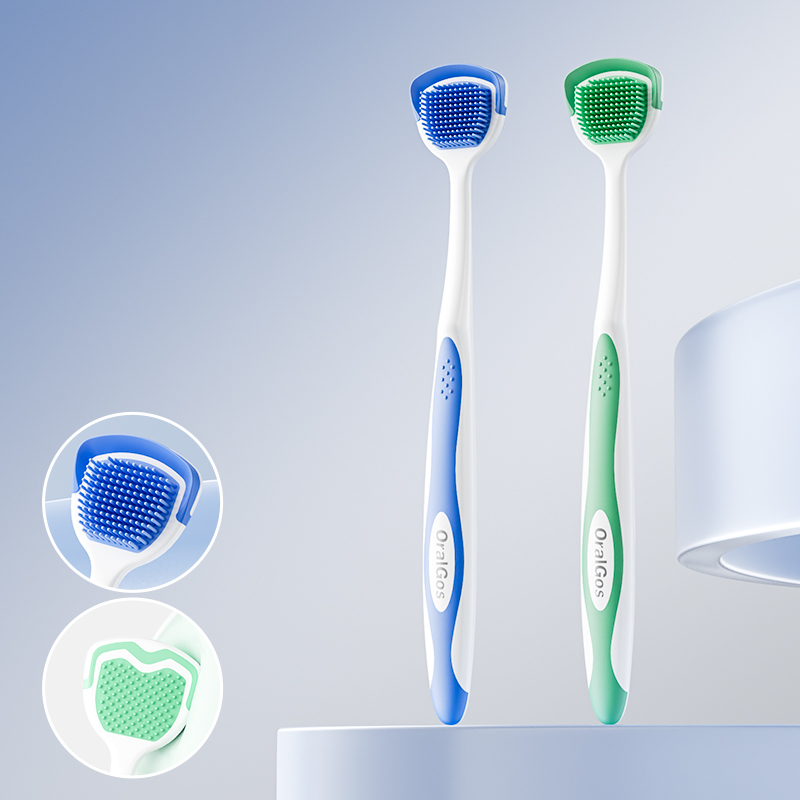
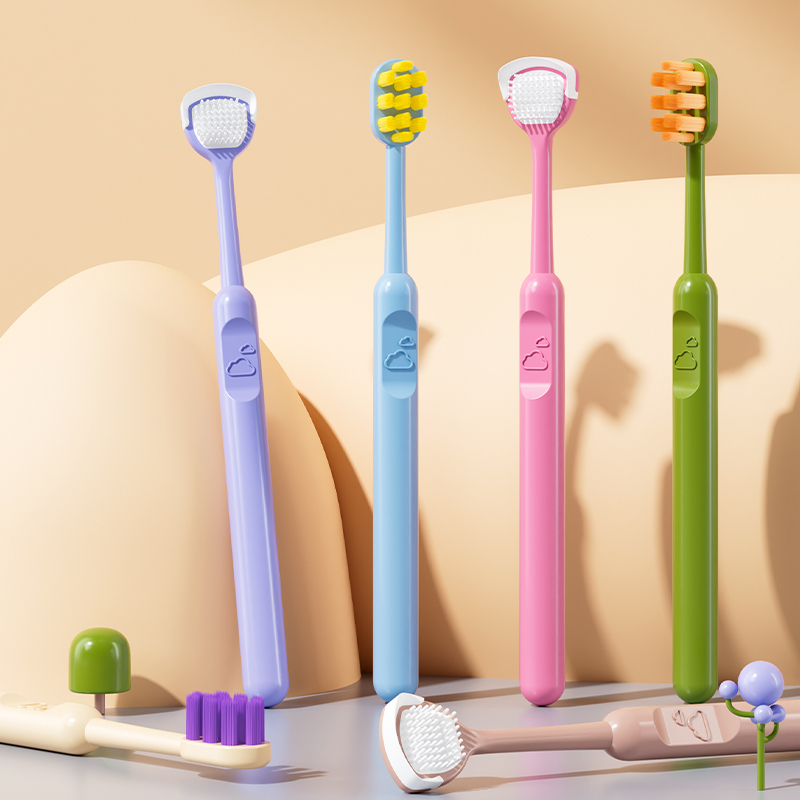
Not all oral care tools offer the same quality. Choosing the right instrument makes a massive difference in your results and comfort. Adults seeking an efficient, dual-action solution should try the Oralgos Tongue Scraper Brush. It combines a traditional scraping edge with micro-bristles to gently loosen stubborn plaque.
Oral hygiene habits should start early. However, children often struggle with the gag reflex caused by adult-sized scrapers. The Dr. Baek Kids Toothbrush & Tongue Cleaner helps kids build early habits with a gentle, two-in-one design. Teaching children to clean their tongues ensures they grow up with a balanced oral microbiome and a lifetime of healthy smiles.
Step-by-Step: How to Use a Tongue Cleaner Safely
To get the maximum benefit from your tool without causing irritation, follow these simple steps:
- Stand in Front of a Mirror: Open your mouth wide and extend your tongue as far as comfortably possible.
- Position the Cleaner: Place the tongue cleaner near the base of your tongue, ensuring you avoid the trigger point of your gag reflex.
- Scrape Forward: Using even, gentle pressure, pull the scraper forward toward the tip of your tongue. Always move the instrument in a forward direction, avoiding backward strokes.
- Rinse and Repeat: Rinse the debris off the scraper under warm water. Repeat this motion 4 to 5 times until you clear the entire surface.
- Clean the Tool: Wash your scraper thoroughly with soap and warm water after each use, and store it in a dry place.
Final Thoughts: A Simple Habit to Stop Bad Breath
Achieving truly fresh breath requires looking beyond just your teeth. Adding a tongue cleaner to your morning and evening routine is a small step with massive rewards. It effectively stops bad breath, improves oral hygiene, and supports a thriving microbiome. It takes less than 60 seconds a day, but the confidence of knowing your breath is genuinely fresh is entirely priceless.