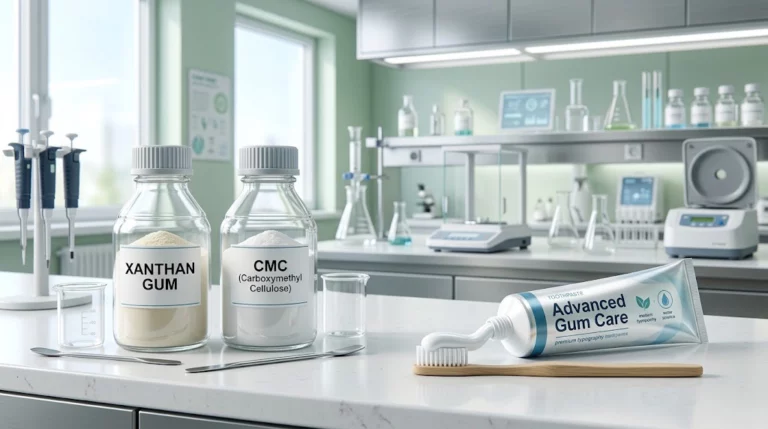
You brush your teeth twice a day, use a premium toothpaste, and strictly follow the two-minute rule. While a minty-fresh sensation is satisfying, it rarely guarantees a flawless oral hygiene routine.
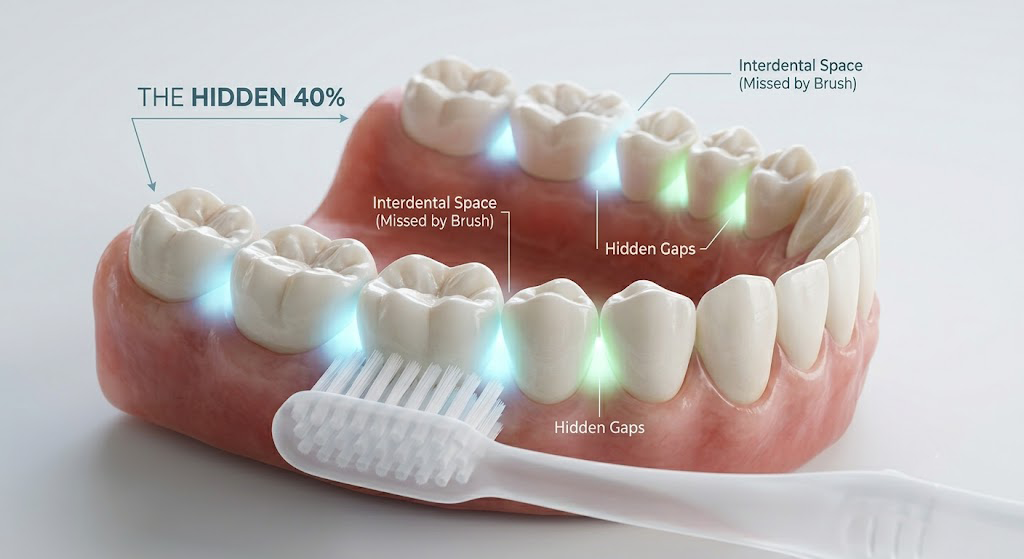
According to extensive dental research, brushing your teeth alone only cleans about 60% of your tooth surfaces. The remaining 40% lies hidden between your teeth—areas that a standard toothbrush bristling with design simply cannot reach. Neglecting nearly half of your mouth daily leads to rapid plaque buildup. Over time, this causes chronic bad breath and severe gum disease.
To achieve a truly healthy smile, you must add interdental cleaning to your daily oral hygiene routine.
The Hidden Anatomy of Your Smile
To understand why a traditional toothbrush fails to clean your entire mouth, we have to look at the anatomy of a tooth. Every tooth has five distinct surfaces: the front, the back, the chewing surface, and the two flat sides that press against neighboring teeth.
When you brush, you effectively clear plaque and debris from the front, back, and top surfaces. However, the tight spaces where your teeth meet—known as proximal or interdental spaces—remain completely untouched. Even the most advanced or finely tapered toothbrush bristles simply cannot enter these tight gaps.
Over time, food particles and bacteria accumulate in these blind spots. This invisible buildup forms a sticky film called plaque. If left untreated, plaque hardens into tartar. At this stage, only a dental professional can remove it using specialized scaling tools.
Why Interdental Cleaning is Essential for Oral Health
If you skip cleaning between your teeth, you are essentially leaving the sides of your teeth dirty day after day. This neglect leads to two major oral health issues: interdental cavities and periodontal disease.
Because the enamel between your teeth is relatively thin, cavities can form rapidly in these hidden zones. What makes these cavities particularly dangerous is that they are difficult to spot in the mirror. Often, you won’t notice an interdental cavity until it reaches the tooth’s nerve. By then, the sudden pain usually requires an expensive filling or root canal.
Furthermore, the American Dental Association stresses that interdental cleaning removes plaque where toothbrushes cannot reach. This practice helps prevent gum inflammation, officially known as gingivitis.
Plaque sitting undisturbed at the gumline allows bacteria to multiply. These bacteria release harmful toxins that quickly irritate delicate gum tissue. Your gums may become red, swollen, and bleed easily during brushing.
If left unchecked, gingivitis can progress to periodontitis. This severe infection destroys the bone supporting your teeth and causes tooth loss.
Step Up Your Routine with Modern Interdental Cleaning Tools
Historically, traditional string floss was the only weapon available to fight interdental plaque. While effective, string floss requires excellent manual dexterity and can hurt sensitive gums. Maneuvering around braces, crowns, or permanent retainers is also highly difficult.
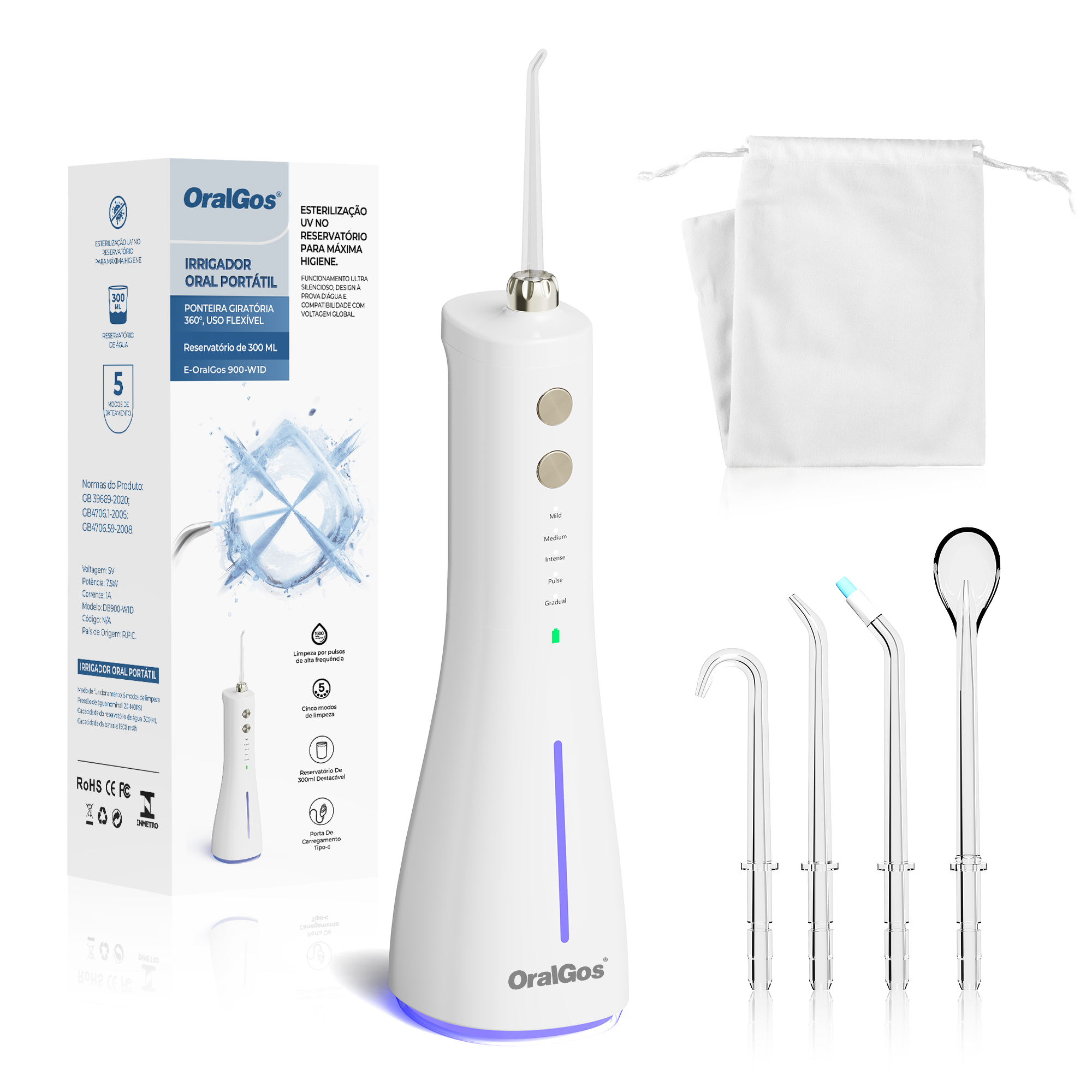
Fortunately, modern dental technology offers highly effective, gentler alternatives to traditional flossing. If you struggle with traditional string floss, switching to a water flosser is a great alternative. It offers a much more efficient clean for your daily routine. Water flossers blast away plaque and debris from deep dental gaps using a targeted stream of pressurized water.
A portable cordless water flosser offers the ideal balance of convenience and power for travelers. It helps you maintain optimal oral hygiene at work, during travel, or after meals. This routine ensures harmful bacteria never settle between your teeth.
Our water flosser collection makes it easy to upgrade your family’s oral care. You can quickly find a device tailored to sensitive gums, dental implants, or tight teeth.
How to Safely Practice Interdental Cleaning Every Day
Consistency is the secret to a healthy mouth. To maximize the benefits of your routine, keep these best practices in mind:
- Frequency: Clean between your teeth at least once a day, preferably during your evening routine before bed. This habit keeps food particles out of your mouth overnight, when your saliva flow naturally decreases.
- Be Gentle: Never force string floss or interdental brushes into tight spaces with aggressive, sawing motions. If you are using a water flosser, start on a lower pressure setting to allow your gums to adapt.
- Technique Matters: If using floss, hug the natural curve of each tooth in a “C” shape and slide gently beneath the gumline. If using a water flosser, aim the tip at a 90-degree angle to your gumline and follow the natural contours of your teeth.
Conclusion: Don’t Settle for a 60% Clean
Brushing without interdental cleaning is like washing only the front and back of your body while skipping your sides. It leaves a massive portion of your anatomy vulnerable to harmful bacterial growth.
By making time for daily interdental cleaning, you actively protect the missing 40% of your smile. Making this single change to your daily routine dramatically reduces cavity risks. It also keeps your breath fresh and protects your long-term gum health. Stop settling for half a clean mouth—invest in the right tools and give your teeth the comprehensive care they deserve.