
Tooth decay is one of the most widespread chronic conditions affecting young people today. Many parents notice that despite their best efforts, their kids seem to develop dental issues much more frequently than grown-ups do. Understanding why kids get cavities is the first step to protecting their smiles. By learning the root causes, you can build healthy oral hygiene habits that last a lifetime.
The Biological Factors: Why Cavities in Children Form Fast
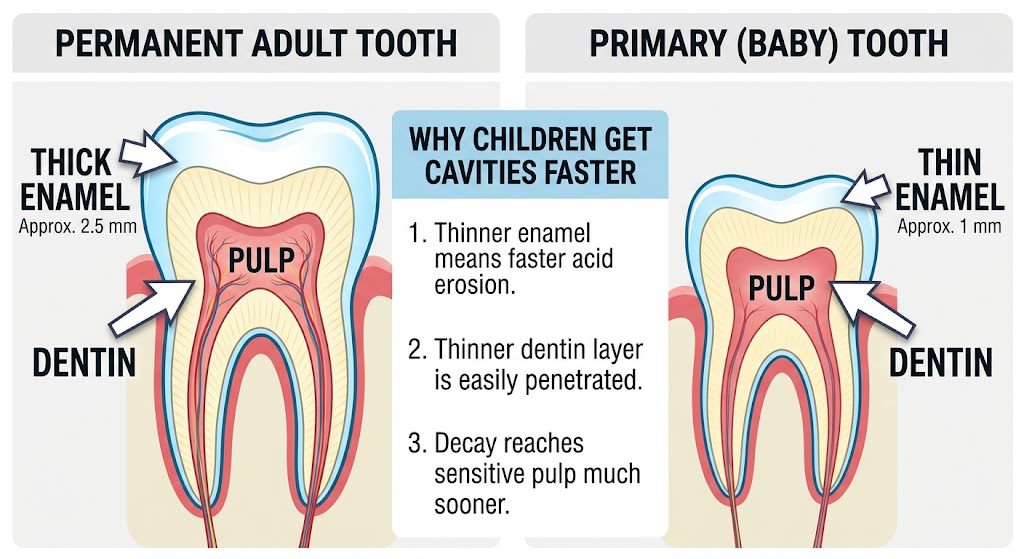
One of the primary reasons cavities in children form so rapidly relates directly to their dental anatomy. Primary teeth, or baby teeth, are not just smaller adult teeth. They have unique structures that make them much easier to decay.
Why Baby Teeth Decay Faster Than Adult Teeth
Baby teeth have a much thinner layer of enamel than permanent adult teeth. Because the enamel barrier is delicate, bacteria and dietary acids can erode through it much faster. Once decay breaks through this outer layer, it reaches the sensitive inner parts of the tooth. This causes immediate pain and speeds up cavity growth.
Developing Salivary Defenses in Children
Saliva plays a critical role in washing away food debris and neutralizing harmful plaque acids. Young children have developing salivary glands and immune systems. As a result, their mouths cannot fight off daily bacteria build-up as easily as adult mouths do.
Behavioral and Dietary Factors Behind Cavities in Children
Beyond structural differences, daily routines and nutritional choices play a massive role in dental health. Children naturally interact with food and hygiene differently than adults.
High-Sugar Diets and Cavities in Children
Children naturally prefer sugary foods, juices, milk, and carbohydrate-rich snacks. Frequent snacking creates continuous “acid attacks” on enamel. When sugar stays on teeth, bacteria feed on it and create acid. Over time, this acid breaks down healthy tooth structure.

Developing Oral Motor Skills and Brushing Technique
Brushing teeth effectively requires fine motor control, patience, and attention to detail—skills that young children are still developing. Kids frequently miss hard-to-reach molars or stop brushing long before the recommended two-minute mark.
- Supervised Brushing: Parents should assist with brushing until around age seven or eight.
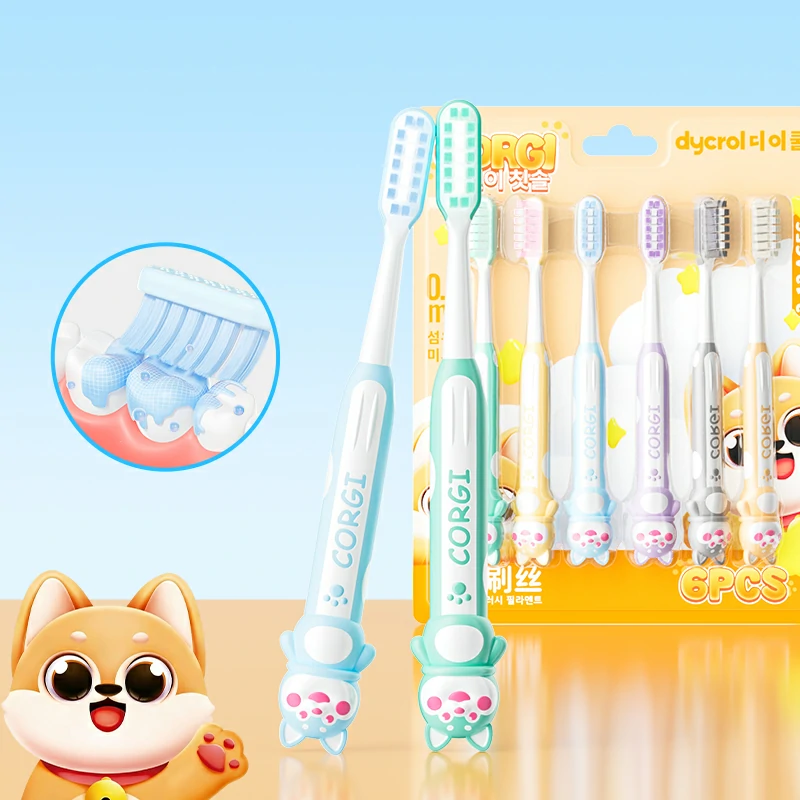
- Fun Gear: Equipping children with age-appropriate tools promotes proper brushing techniques and encourages consistent daily habits. For instance, gentle manual options like a specialized kids toothbrush can comfortably fit smaller mouths.
- Upgraded Tech: Transitioning to a high-performance kids electric toothbrush helps ensure consistent plaque removal through automated sonic vibrations.


The Long-Term Impact of Tooth Decay in Kids
A common misconception is that decay in primary teeth does not matter because those teeth eventually fall out. However, early dental health directly impacts permanent teeth and overall wellness.
Why Primary Teeth and Early Cavities Matter
Primary teeth act as space maintainers for permanent adult teeth. When you lose a baby tooth early to severe decay, surrounding teeth often shift into the vacant space. This shift often leads to alignment issues, crowding, and complex orthodontic problems later in life. Furthermore, severe infections in baby teeth can damage the adult teeth developing directly underneath the gums.
Pain, Nutrition, and Child Development
Unmanaged dental decay causes ongoing discomfort for children. This pain can prevent them from chewing nutritious food, speaking clearly, and focusing in school.
Actionable Strategies to Prevent Cavities in Children
Preventing dental issues in young smiles requires a combination of consistency, proper tools, and professional guidance. The American Dental Association emphasizes that early preventive habits are the best defense against childhood cavities.
1. Establish a Daily Routine to Prevent Cavities
Ensure your child brushes twice daily with a age-appropriate fluoride toothpaste to strengthen enamel. Fluoride strengthens developing enamel and helps remineralize areas where acid damage has started. Encourage children to spit out extra toothpaste rather than swallowing it.
2. Introduce Advanced Cleaning Tools for Kids
Flossing removes food particles and plaque from tight spaces between teeth where toothbrush bristles cannot reach. Many children struggle with traditional string floss, especially if they have tight tooth gaps. Using a dedicated kids water flosser for teeth offers a gentle and effective way to clean along the gumline.
3. Smart Dietary Choices to Reduce Tooth Decay
Minimize your child’s intake of sugary drinks, sticky candies, and frequent snacking between meals. Offer water after meals and snacks to help wash away lingering sugars and food particles.
4. Schedule Regular Checkups for Pediatric Dental Care
Schedule a dental visit by your child’s first birthday or within six months after their first tooth appears. Routine dental checkups help dentists spot early signs of decay. They can also apply protective sealants to guard your child’s teeth.
Proper daily care, modern dental tools, and healthy eating habits protect young teeth. Together, these steps help minimize cavities and build a lifetime of confident smiles.