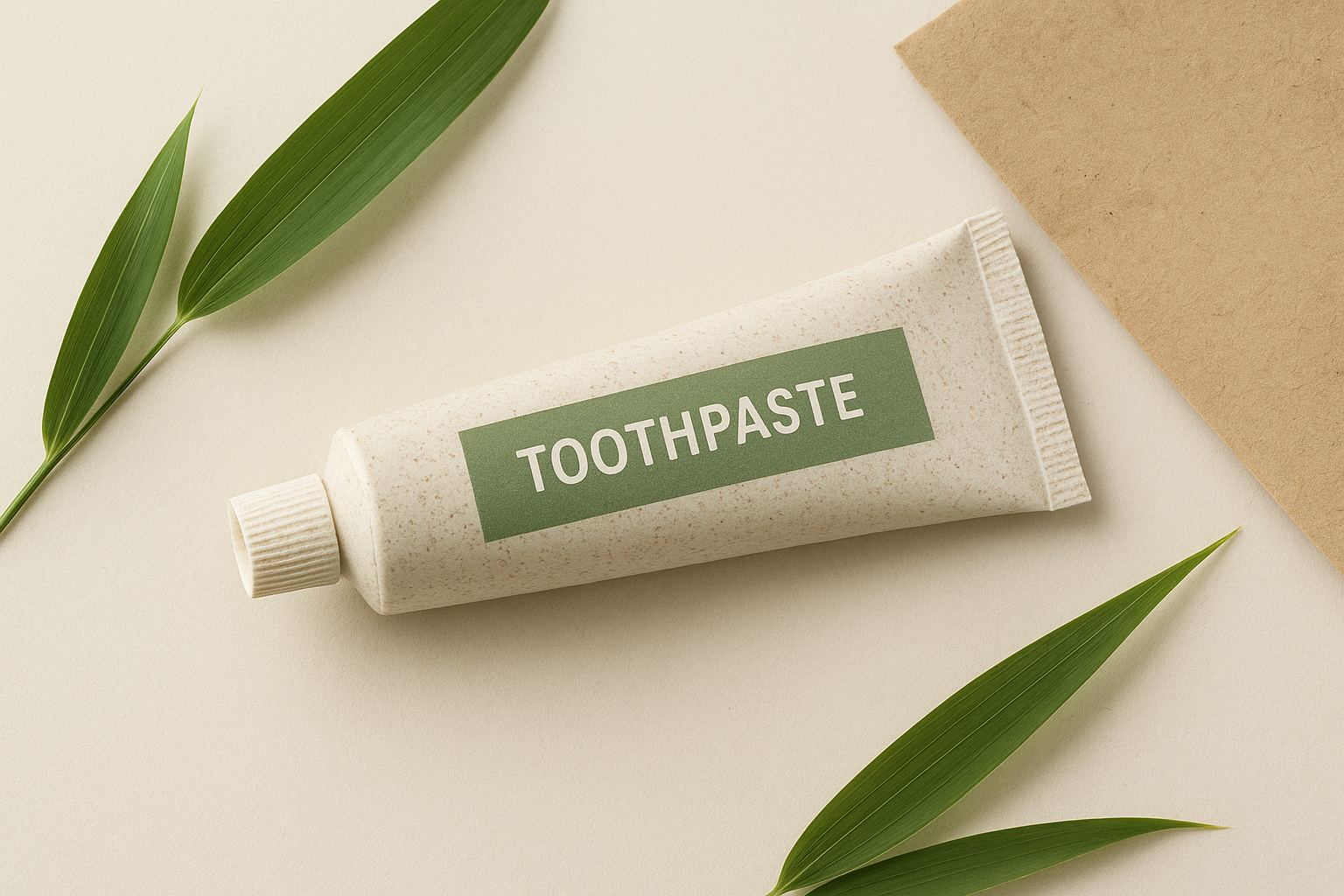
In the past decade, oral care packaging has undergone a transformation. Brands are noticing that consumers want more sustainable options. Because of this, eco-friendly toothpaste packaging is now essential in the industry. New packaging ideas, like biodegradable tubes and refillable dispensers, help oral care brands cut plastic waste. These changes also support their environmental goals.
This article looks at the main trends in 2025. These trends change how companies package toothpaste, toothbrushes, and other oral care products. The focus is on sustainability, consumer appeal, and following regulations.
Why Eco-Friendly Toothpaste Packaging Matters in Oral Care
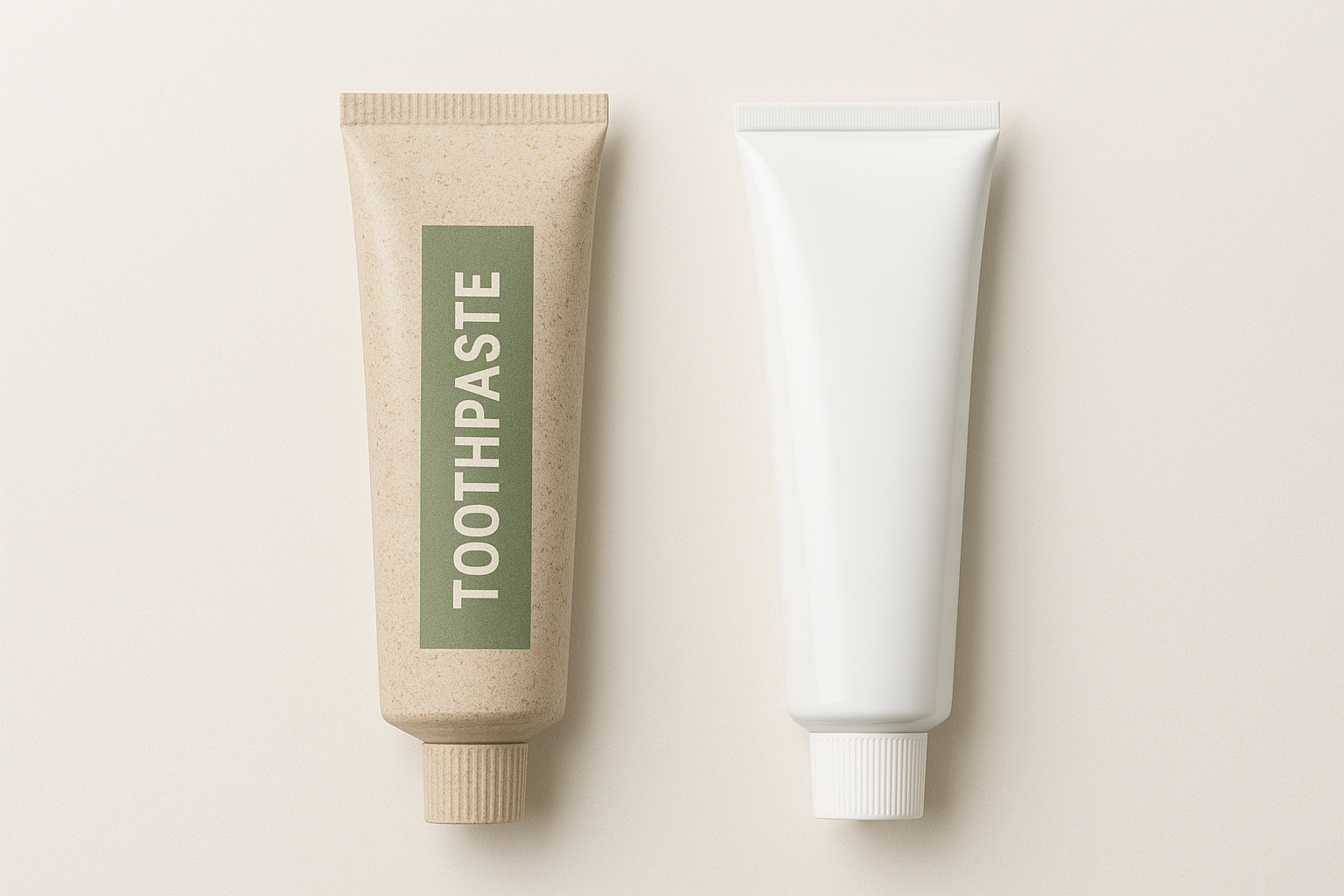
Oral care products are among the most frequently purchased consumer goods. With billions of toothpaste tubes and toothbrush blister packs sold annually, the environmental impact is substantial. Traditional toothpaste tubes, typically made from a mix of plastic and aluminum, are notoriously difficult to recycle.
Using eco-friendly toothpaste packaging helps reduce landfill waste. It also meets the needs of consumers who want brands to be transparent and responsible. In 2025, companies that fail to innovate risk losing market share to competitors offering greener alternatives.
2025 Trends in Sustainable Toothpaste Packaging
1. Biodegradable and Compostable Materials
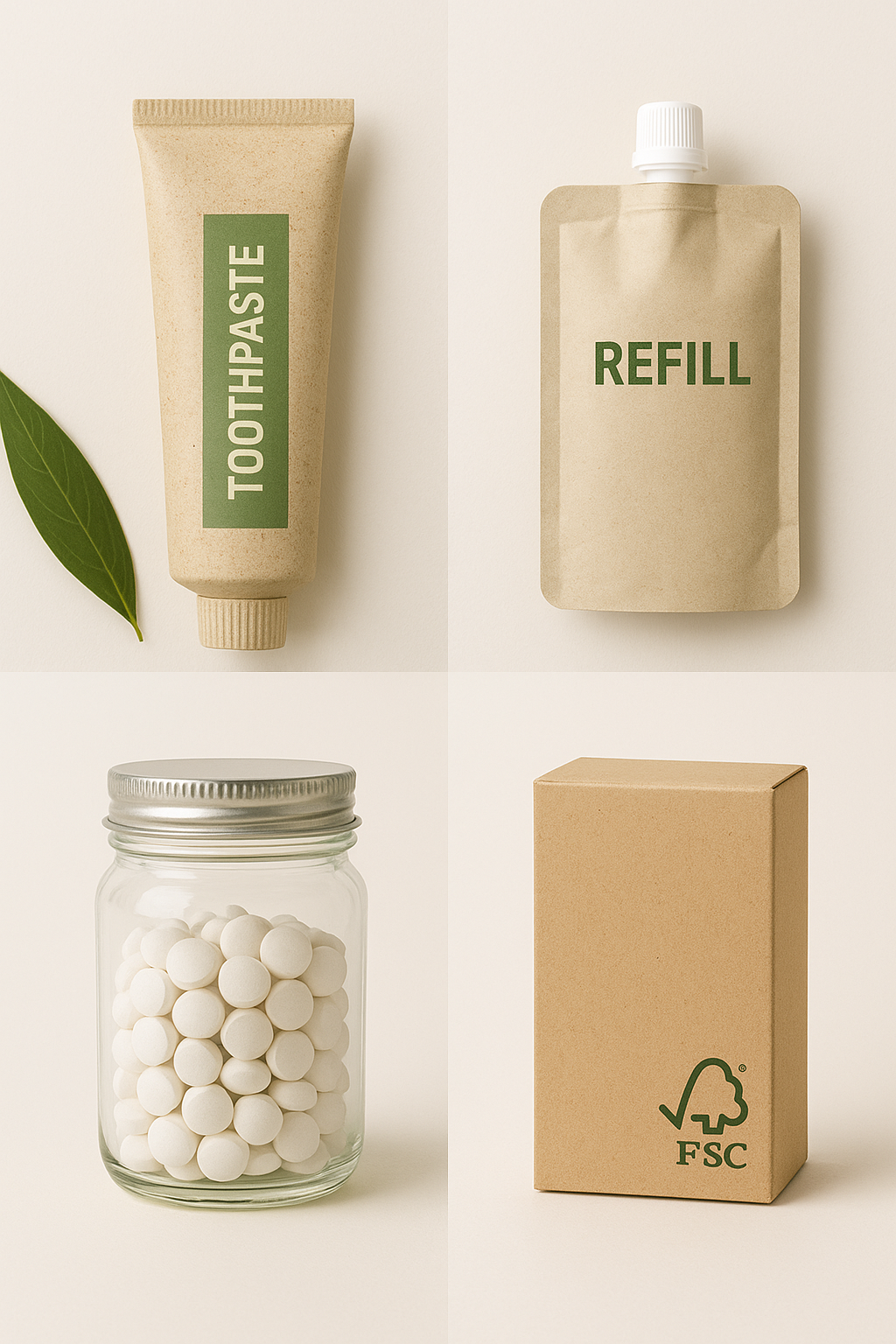
One of the most significant advances in oral care packaging is the use of biodegradable materials. Cornstarch, bamboo fiber, and sugarcane-based plastics are replacing petroleum-based polymers. These materials decompose naturally, leaving no toxic residue.
Brands are trying out packaging made from mushrooms. This packaging can grow into shapes for toothpaste tubes or cartons. It provides protection and is fully compostable.
2. Recyclable Mono-Material Tubes
The recycling challenge with traditional toothpaste packaging lies in the mix of layers. In 2025, more manufacturers are using mono-material packaging, often polyethylene (PE). This lets consumers throw tubes in regular recycling bins.
3. Refillable and Reusable Solutions
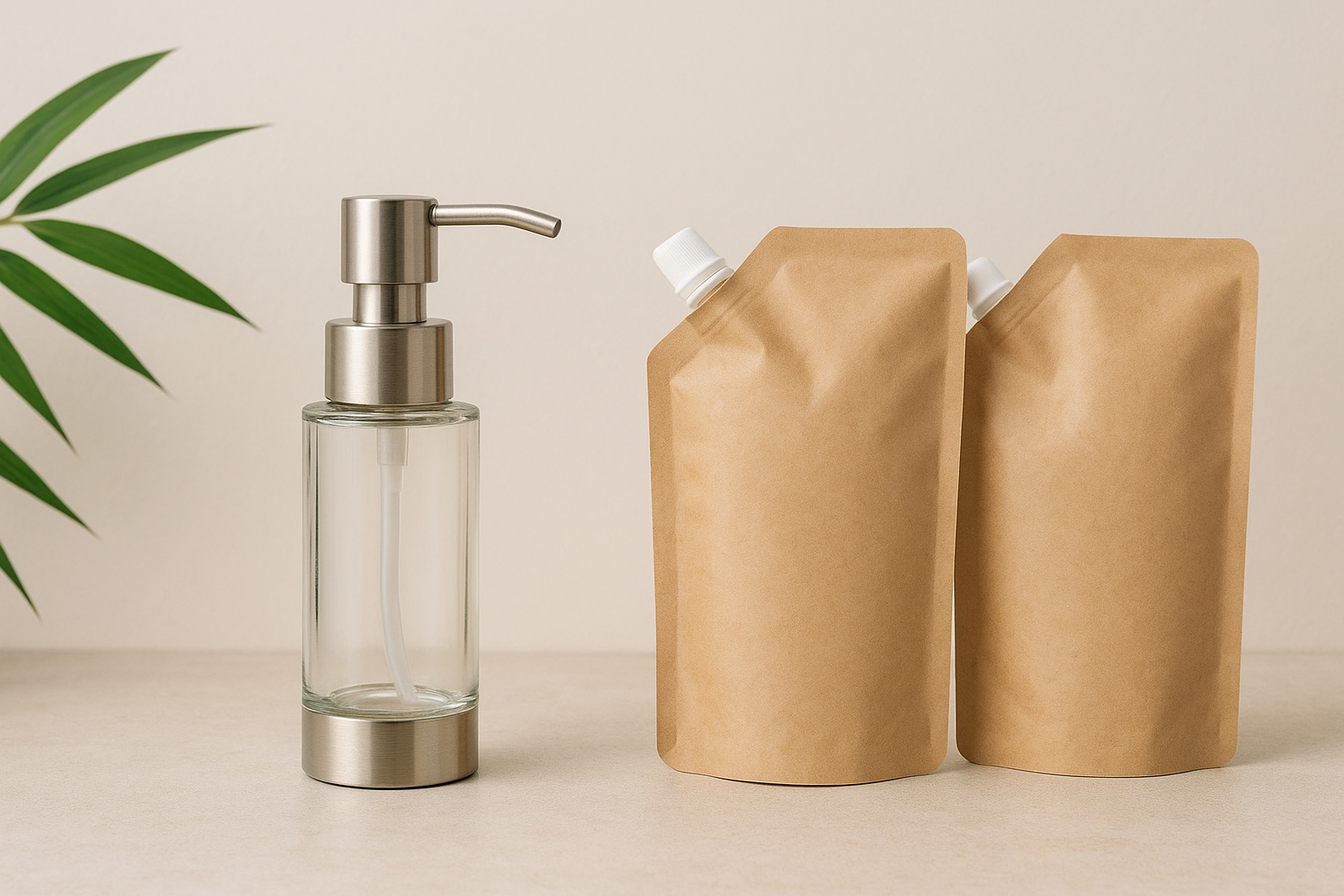
Refill stations in supermarkets and compact refill cartridges for at-home use are gaining popularity. Instead of purchasing a new tube, consumers can refill their toothpaste container, reducing plastic waste. This system mirrors the rise of refillable shampoo and cleaning products, adapted for oral care.
Reusable toothpaste dispensers made of stainless steel or durable bioplastics are emerging as a premium eco-luxury segment. These not only reduce single-use packaging but also enhance brand value.
4. Minimalist and Zero-Waste Design
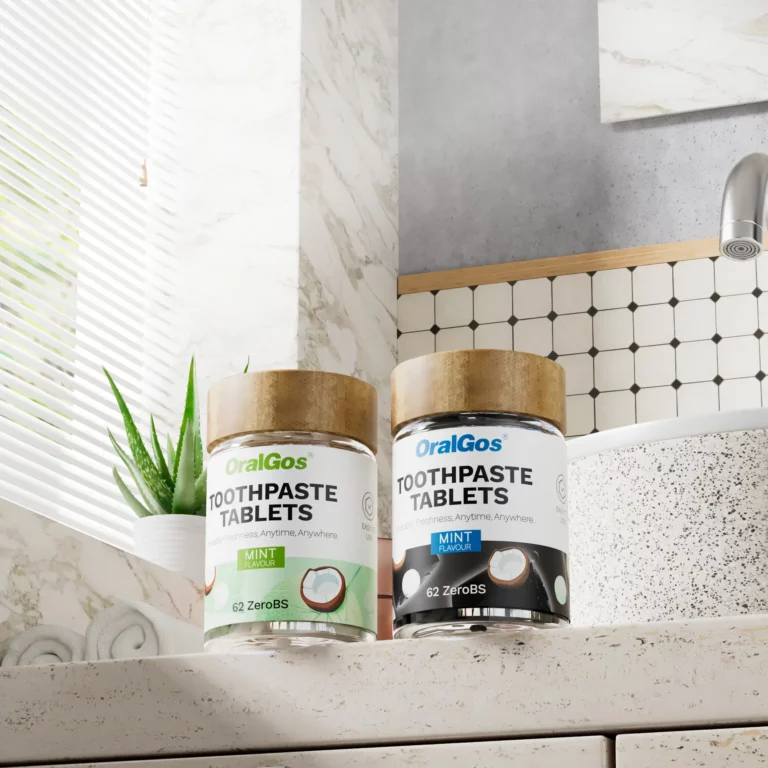
Minimalist packaging is no longer just a design choice—it’s a sustainability statement. Toothpaste tablets packaged in recyclable glass jars or paper pouches eliminate the need for plastic altogether. Brands highlight these packaging choices to resonate with eco-conscious millennials and Gen Z.
5. Certifications and Label Transparency
By 2025, third-party certifications such as FSC (Forest Stewardship Council) and compostability logos are essential for brand credibility. Transparent labeling about recyclability, carbon footprint, and biodegradability helps consumers make informed decisions.
Consumer Behavior and Market Drivers for Green Dental Packaging
Research indicates that over 70% of consumers are willing to pay a premium for sustainable packaging. In oral care, this means customers look for brands that offer eco-friendly toothpaste packaging. They reward these brands with loyalty.
Governments are also influencing this shift. The EU has a rule about single-use plastics. Some U.S. states have similar bans.
These rules are encouraging new ideas for packaging in oral care. China’s supply chain, with its advanced biodegradable material technology, provides global brands with accessible and scalable solutions.
Challenges in Adopting Eco-Friendly Oral Care Packaging
Transitioning to sustainable packaging isn’t without obstacles. Costs remain a concern, particularly for small to mid-sized brands. Biodegradable materials, while innovative, may not yet match the durability of conventional plastics.
Additionally, educating consumers on how to properly dispose of new packaging materials is vital. A compostable tube placed in a recycling bin may cause contamination, undermining the eco-benefits.
Case Examples of Eco-Friendly Toothpaste Packaging
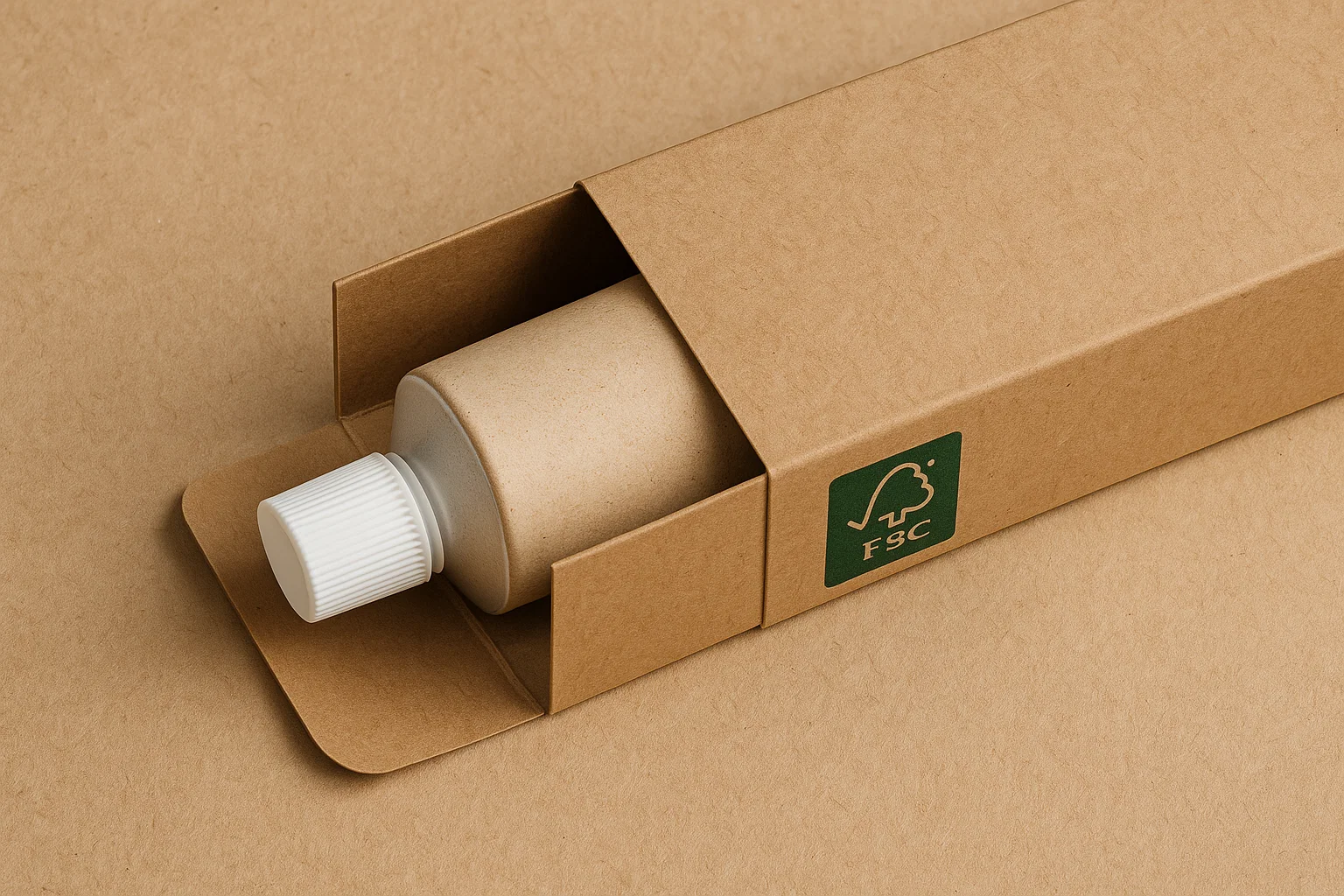

Modern oral-care brands must go beyond product performance and address sustainability in packaging. At OralGos, every toothpaste comes in FSC-certified paper boxes, ensuring the paper materials originate from responsibly managed forests and meet international eco-standards (FSC official site). This commitment reflects our goal of reducing plastic reliance while maintaining durability and professional presentation.
For premium collections, we provide glass bottle options that highlight both recyclability and elegance. These bottles not only support reusability but also align with consumer demand for eco-conscious design. The same packaging principle is applied to our toothpaste tablets in glass jars, which create a unified brand image across oral-care categories.
By integrating eco-friendly toothpaste packaging across different product types, OralGos helps distributors and oral-care brands strengthen their sustainability narratives. From FSC-certified boxes to refillable glass containers, our packaging solutions are built for both environmental impact reduction and market differentiation.
How Brands Can Adopt Eco-Friendly Packaging in 2025
Strategies for Shifting to Eco-Friendly Toothpaste Packaging
- Evaluate Packaging Lifecycle
Conduct lifecycle assessments (LCA) to understand environmental impact from raw material sourcing to end-of-life disposal. - Partner with Sustainable Suppliers
Collaborating with suppliers in Asia, particularly China, can offer cost-effective access to compostable and recyclable packaging technologies. - Educate Consumers
Provide clear disposal instructions on packaging. QR codes that link to disposal tutorials or recycling maps improve consumer compliance. - Invest in R&D
Innovating with biodegradable coatings, plant-based resins, or smart refill systems can help brands stay ahead.
The Future Outlook: 2030 and Beyond
By 2030, eco-packaging will not be optional; it will be the industry standard. Brands that adopt early in 2025 gain a competitive advantage in consumer trust, regulatory compliance, and environmental contribution.
Eco-friendly toothpaste packaging is not just a trend. Part of a larger movement for sustainability exists in all FMCG industries. For oral care brands, adopting biodegradable, recyclable, and refillable solutions now is an investment in long-term success.
Conclusion: Building Trust with Green Oral Care Packaging
The oral care industry is at a turning point. With mounting consumer expectations, regulatory mandates, and innovations in biodegradable materials, the move toward sustainable packaging is accelerating. Brands that use eco-friendly toothpaste packaging in 2025 will lower their environmental impact. They will also become leaders in the future of oral care.