Oral care products such as toothpaste, manual toothbrushes, and electric toothbrushes must meet strict standards. Product safety and regulatory compliance are essential. Brands and procurement professionals need to understand key certifications. ISO toothpaste and CE toothbrush standards help products meet international rules and build consumer trust.
This article is a comprehensive guide to ISO, CE, and FDA certifications. It explains why these certifications are essential, how they differ, and which one fits each product category.
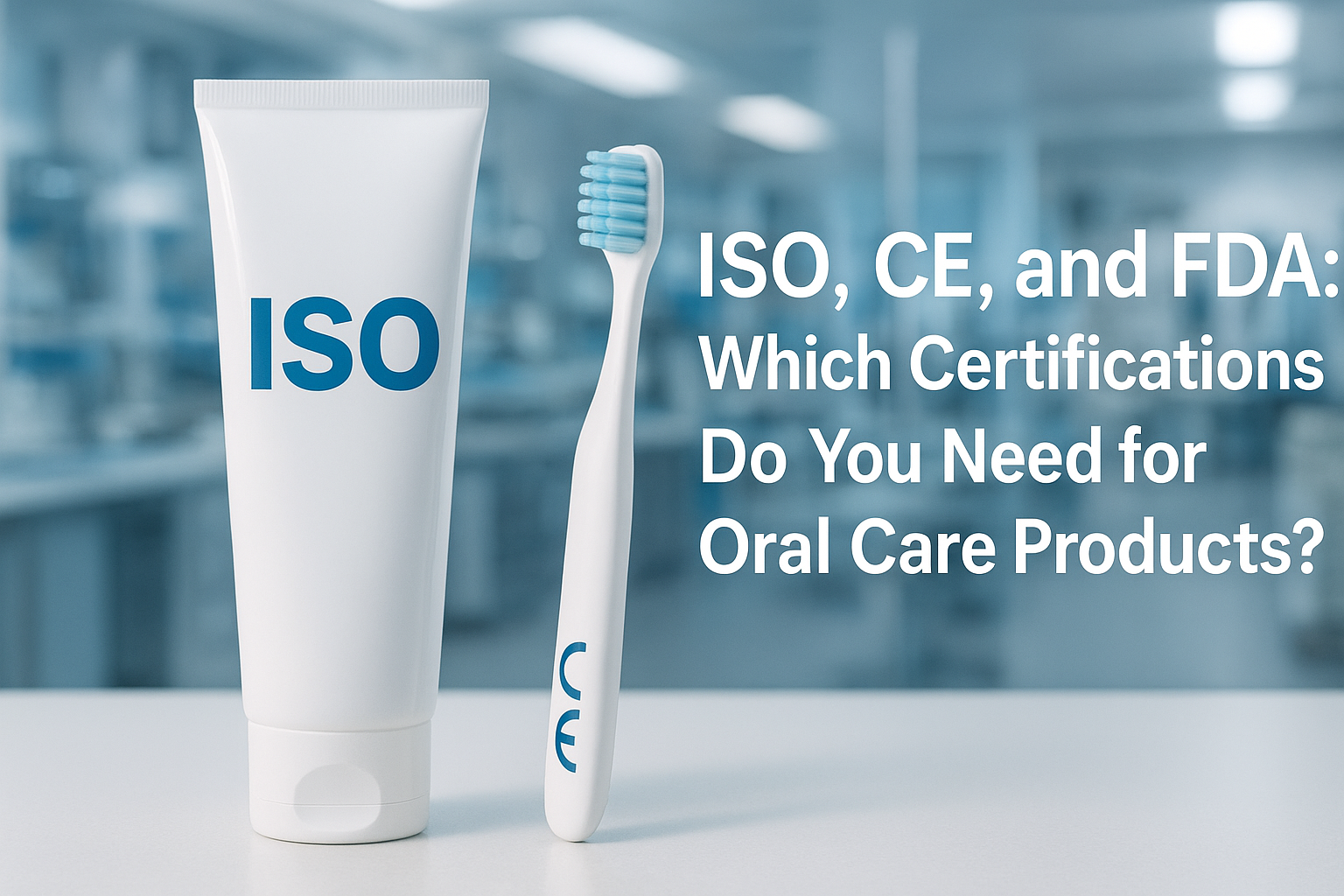
Understanding ISO Toothpaste Certification
ISO (International Organization for Standardization) standards are globally recognized frameworks that ensure products meet specific quality, safety, and efficiency requirements. For toothpaste, ISO certifications focus on manufacturing processes, product safety, and quality management systems.
ISO standards relevant to toothpaste include:
- ISO 22716: Good Manufacturing Practices (GMP) for cosmetic products, covering hygiene, production, and quality control.
- ISO 9001: Quality management system standard, ensuring consistent product quality and traceability.
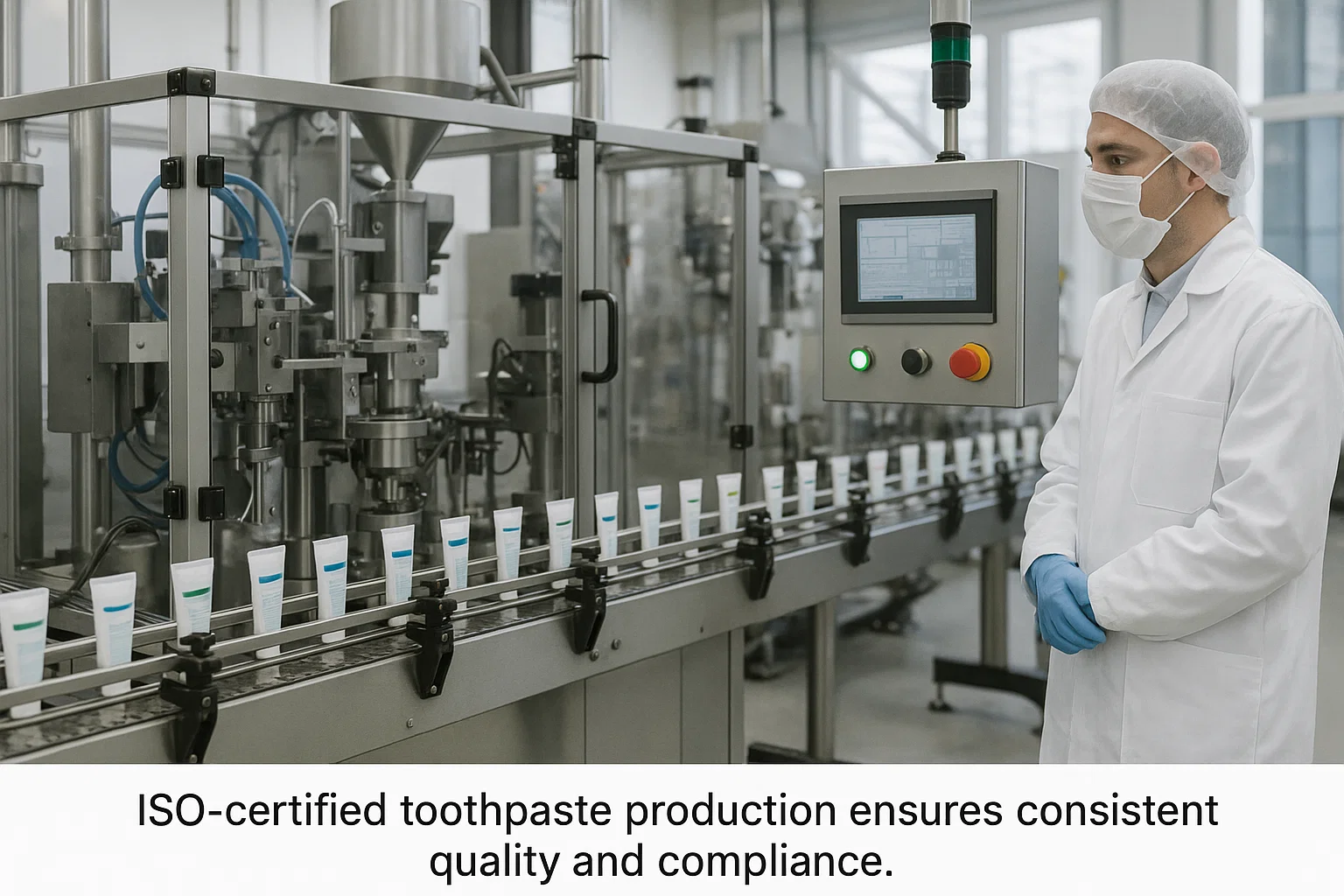
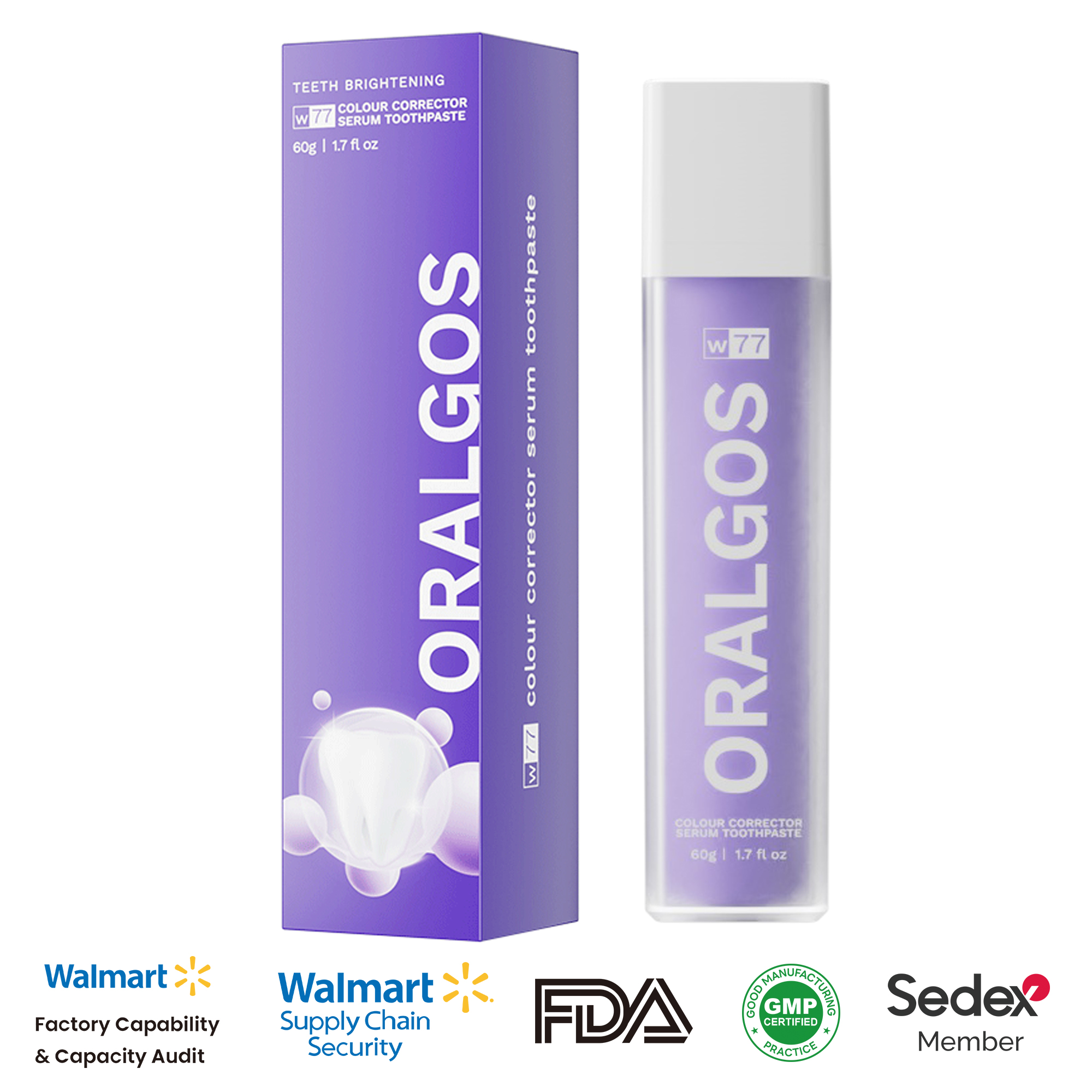
ISO toothpaste certification reassures consumers and retailers because it shows the brand produces products under controlled, high-quality conditions. Brands like OralGos W77 Colour Corrector Toothpaste benefit from this certification as it communicates trustworthiness and adherence to international standards.
Why ISO matters for procurement:
For buyers and distributors, choosing ISO-certified toothpaste has clear benefits. It ensures regulatory compliance, lowers the risk of recalls, and strengthens brand credibility. Internal audits and supplier verification become more straightforward, allowing smoother transactions across global markets.
CE Toothbrush Certification: A Must for Europe
Unlike toothpaste, toothbrushes—especially electric models—are often considered medical or personal care devices in Europe. To sell in the European market, a CE toothbrush certification is mandatory.
What CE marking involves:
- Compliance with European Union (EU) safety, health, and environmental requirements.
- Risk assessment and documentation of product safety.
- Periodic testing and quality control audits.
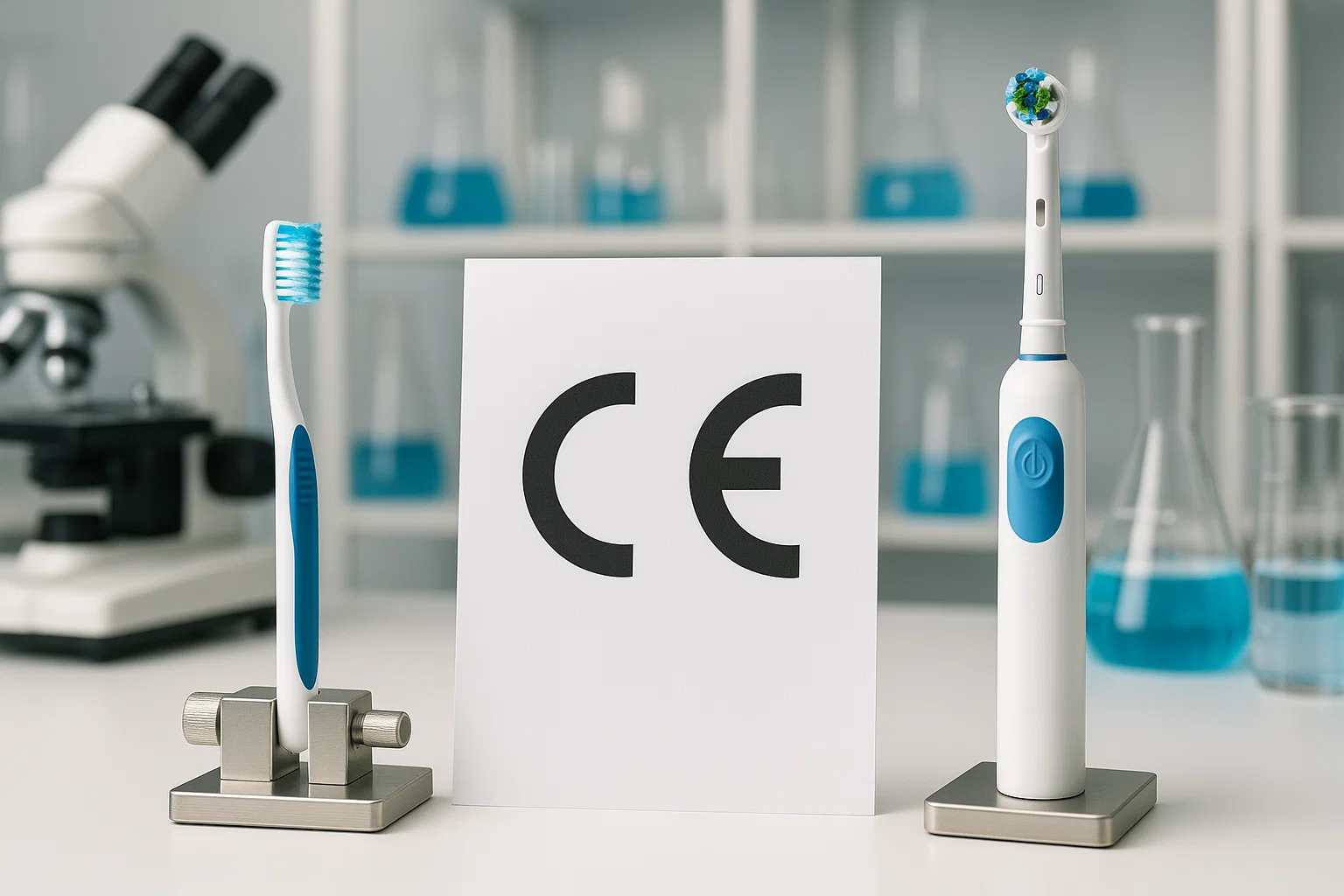
CE certification is required for both manual toothbrush and Electric Toothbrushes. It confirms that the product meets EU consumer safety standards. The Astronaut U-Shaped Electric Toothbrush for Kids meets CE standards, giving parents and retailers confidence in its safety.
Key procurement insight:
Buying CE-certified toothbrushes reduces legal and compliance risks, especially if your business distributes products within the EU. It also enhances your marketability, as many retailers require CE marking before accepting products.
FDA Approval vs ISO Toothpaste and CE Toothbrush Rules in the U.S.
In the U.S., the FDA regulates both toothpaste and toothbrushes, but the requirements vary by product type.
- Toothpaste: Considered an over-the-counter (OTC) cosmetic or drug depending on ingredients (e.g., fluoride). Companies must comply with FDA’s Cosmetic GMP regulations and, for fluoride-containing toothpaste, OTC drug monographs.
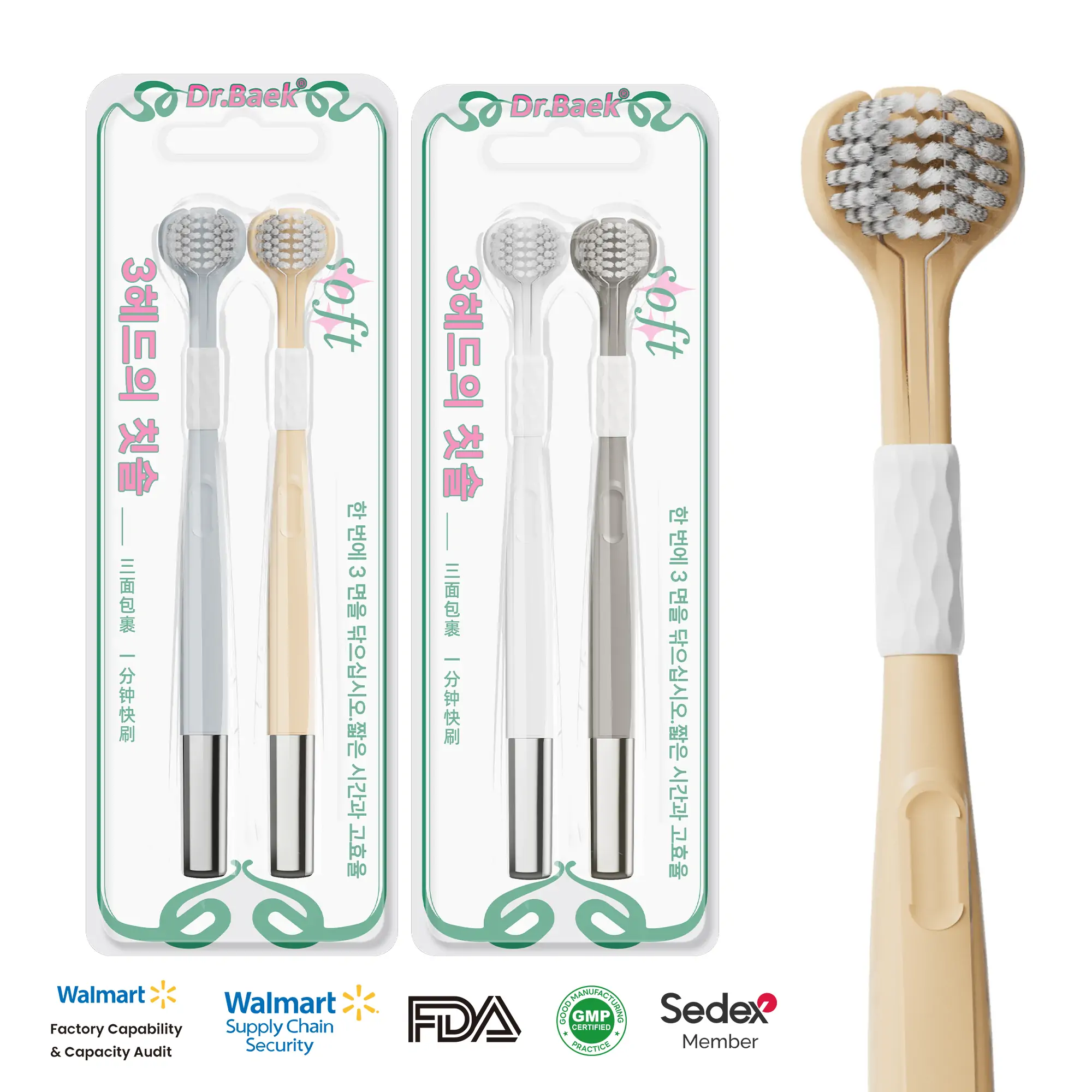
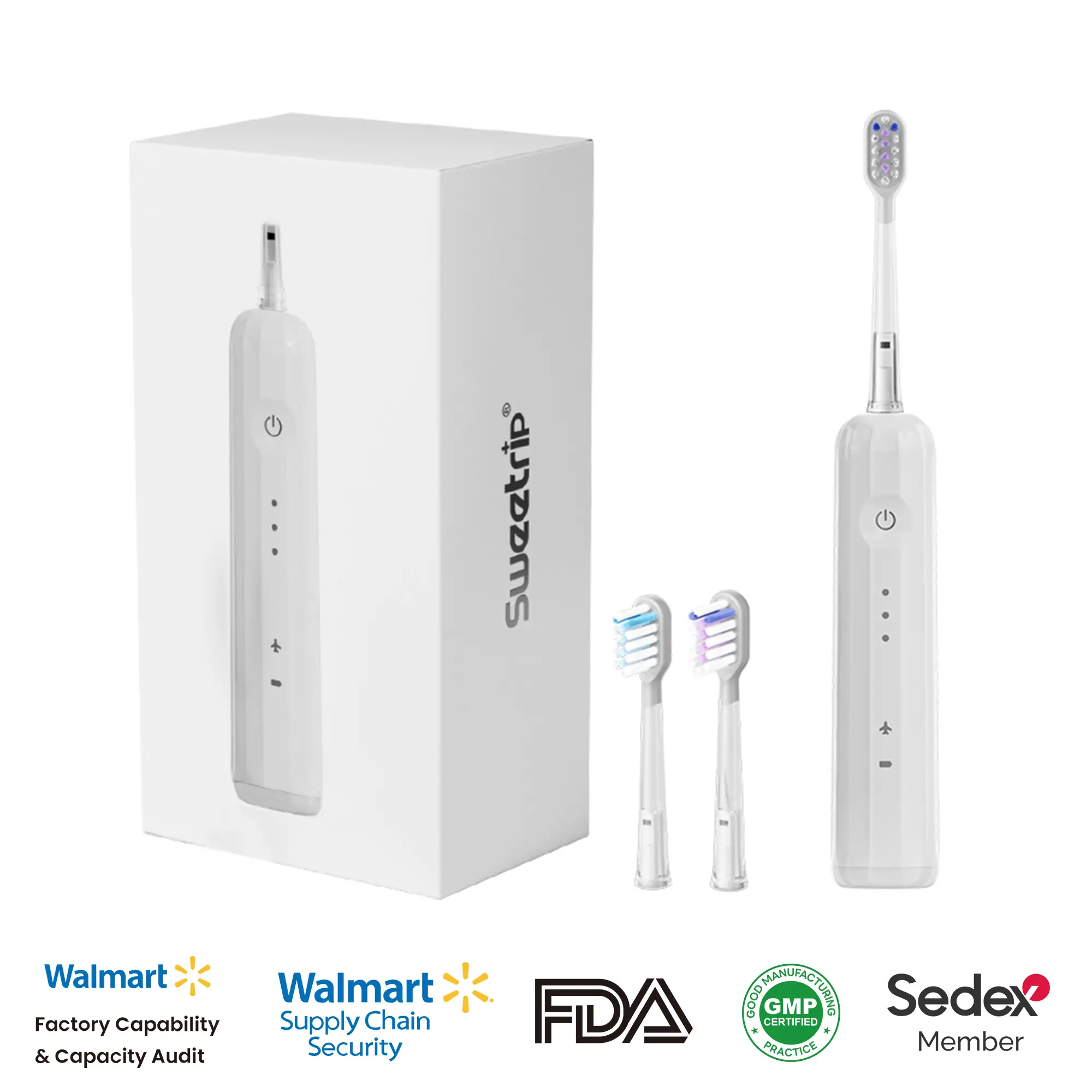
- Toothbrushes: Typically regulated as medical devices if marketed for therapeutic claims, or general consumer products otherwise. Electric toothbrushes with innovative features may need FDA clearance before entering the market.
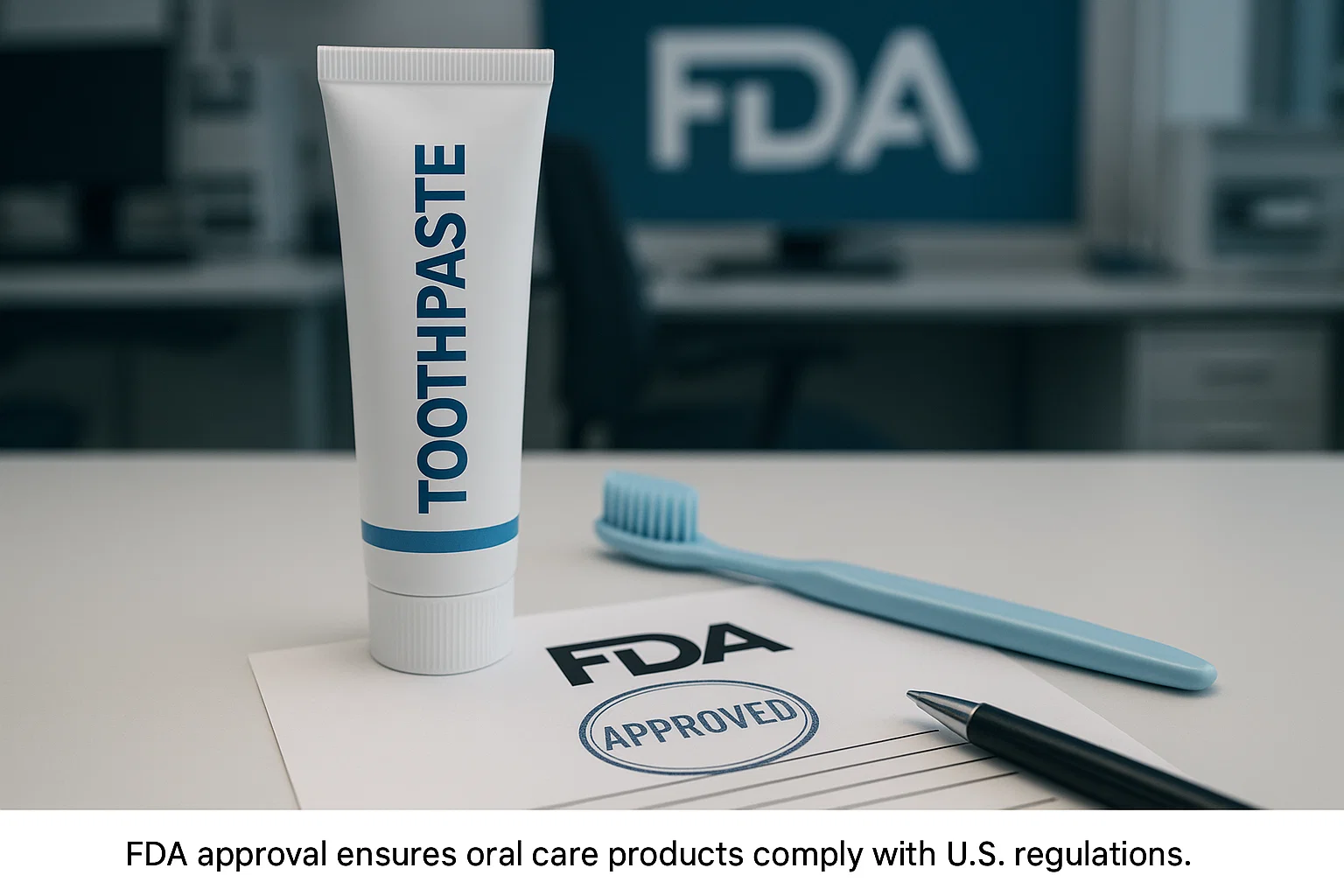
Not every oral care product needs FDA certification, but compliance proves safety and eases entry into the U.S. market.
Comparing ISO, CE, and FDA Certifications
| Certification | Product Focus | Region | Purpose |
|---|---|---|---|
| ISO | Toothpaste & Manufacturing | Global | Quality management and GMP compliance |
| CE | Toothbrushes | EU | Safety, health, environmental compliance |
| FDA | Toothpaste & Toothbrushes | USA | Safety, efficacy, regulatory compliance |
Understanding these differences helps brands decide which certifications are essential based on product type and target market.
How Certifications Enhance Procurement Confidence
For distributors and retailers, certifications are more than compliance—they are indicators of trustworthiness. ISO toothpaste, CE toothbrush, and FDA-approved products:
- Reduce liability: Certified products are less likely to trigger recalls or safety issues.
- Streamline import/export: Regulatory inspections become easier with proper documentation.
- Boost brand reputation: Certifications signal professionalism and commitment to quality.
- Expand market reach: Many countries and retailers only allow certified products.
By prioritizing certified oral care products, procurement professionals can minimize risk while optimizing supply chain reliability.
Conclusion: Choosing the Right Certification
Selecting the appropriate certification depends on your product type and target market:
- Toothpaste: ISO certification is crucial for quality assurance, while FDA compliance is necessary for U.S. sales.
- European regulations require CE marking for both manual and electric toothbrushes. In the U.S., FDA approval may apply depending on product claims.
Obtaining certifications, such as ISO for toothpaste and CE for toothbrushes, ensures regulatory compliance. These certifications also build consumer trust, expand market access, and strengthen brand credibility.
Oral care brands and procurement managers must understand the differences between ISO, CE, and FDA. This knowledge is essential for effective sourcing strategies and long-term business success.