
The Middle East presents a dynamic market for businesses aiming to expand their global footprint. However, entering this region takes more than a marketing strategy. Companies must also understand local regulations, especially those related to product certification and compliance. For companies in the manufacturing sector, aligning with regional standards is not optional—it’s essential.
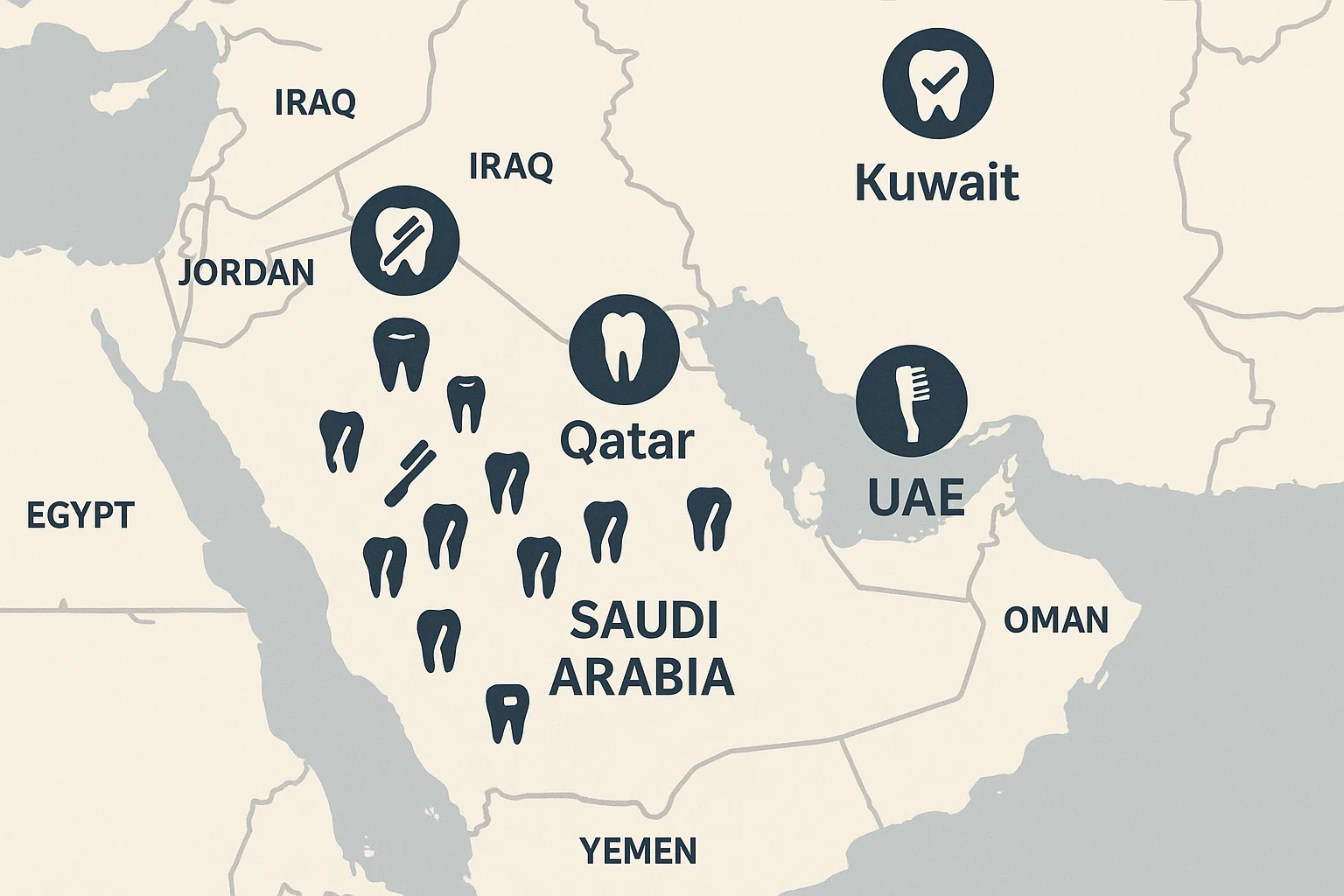
Middle East Market Landscape and Compliance Challenges
The Middle East includes countries such as Saudi Arabia, the United Arab Emirates (UAE), and Qatar. Its consumer base is diverse and shaped by distinct cultural and religious practices. This diversity influences purchasing decisions, especially concerning product ingredients, manufacturing processes, and ethical considerations. For instance, the demand for halal-certified products is prevalent across various industries, including food, cosmetics, and personal care.
Halal Certification and Certified Factory Standards
Halal certification is a pivotal aspect of market entry in the Middle East. It signifies that a product complies with Islamic law, covering everything from ingredient sourcing to manufacturing processes. In the UAE, the Emirates Authority for Standardization and Metrology (ESMA) is responsible for halal certification. It ensures that products comply with strict standards such as UAE.S 2055-1:2015.
Similarly, the Saudi Food and Drug Authority requires halal certification for all imported products. Accredited organizations, such as the Saudi Halal Center, provide the necessary approval.
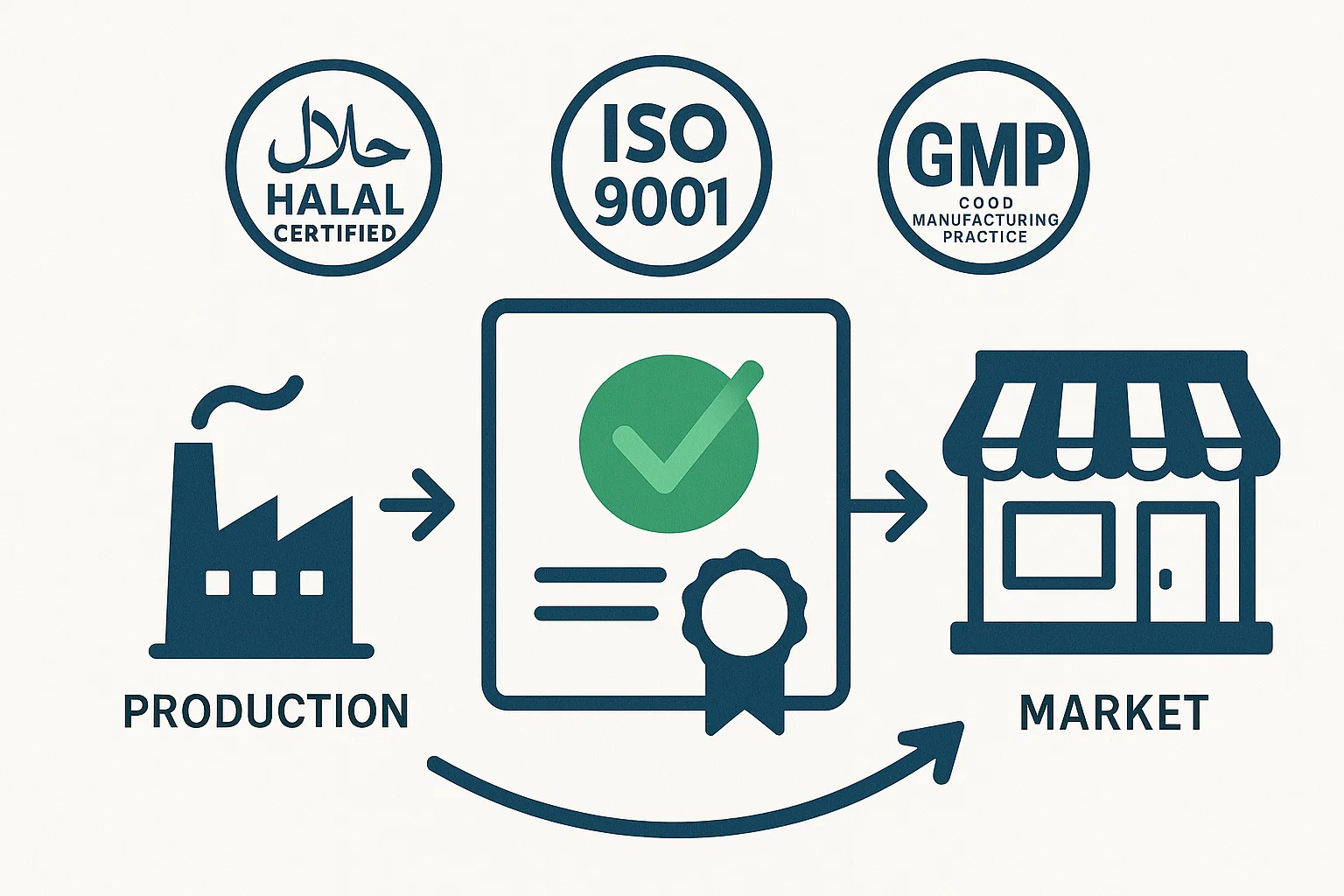
Compliance in Import Requirements Across the Middle East
Beyond certification, understanding the import requirements is crucial. To import products into the UAE, businesses must first obtain the proper trade license. The Department of Economic Development (DED) in each emirate is responsible for granting it. This ensures that businesses operate within the legal framework and adhere to local regulations.
Other Middle Eastern countries also enforce their own import regulations. To manage these complexities, businesses should conduct detailed research and consider working with local partners.
Oralgos Case Study: Certified Factory Success in the Middle East
Oralgos, a UK-based manufacturer specializing in oral care products, exemplifies the significance of certified manufacturing in expanding into the Middle Eastern market. With certifications like ISO 9001, FDA registration, GMP, and BSCI, Oralgos demonstrates a commitment to quality and compliance.
Their experience shows that meeting international standards is key to earning trust and credibility in the Middle Eastern market. Oralgos has successfully entered the region by meeting all required certifications and import rules. The company also provides customized solutions to address diverse consumer needs.

Why Certified Factories Drive Compliance and Market Expansion
Operating within a certified factory framework offers several advantages:
- Quality Assurance: Adherence to international standards ensures consistent product quality.
- Regulatory Compliance: Meeting local and international regulations facilitates smoother market entry.
- Consumer Trust: Certifications build consumer confidence, especially in markets with specific ethical and cultural expectations.
To succeed in the Middle East, companies must work with certified manufacturing facilities. Such partnerships are more than helpful; they are critical.
Conclusion: Compliance and Certified Factories for Middle East Growth
Expanding into the Middle Eastern market offers vast opportunities but requires meticulous planning and adherence to local regulations. Obtaining the necessary certifications and understanding import requirements are foundational steps in this process. Oralgos shows how certified manufacturing supports both market entry and long-term growth in the Middle East.
For more insights into certified manufacturing and compliance, visit Oralgos’ OEM Service.