
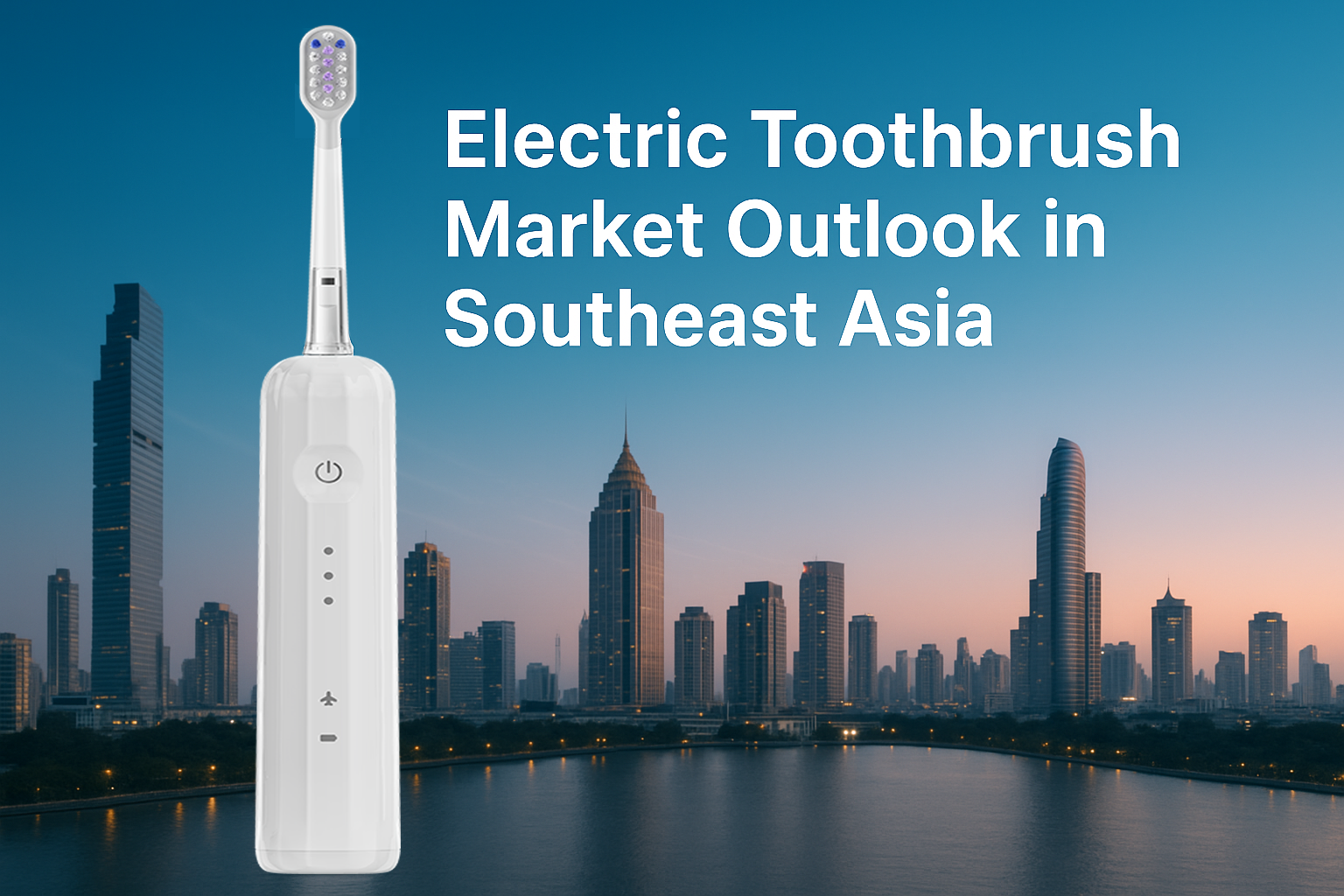
The electric toothbrush market in Southeast Asia has grown significantly in recent years. This growth is driven by higher consumer awareness of oral health, rising disposable incomes, and an expanding middle class. Thailand and Indonesia are among the key markets in Southeast Asia. Both countries show strong demand and expanding retail and e-commerce channels.
Recent market research provides valuable insights into the electric toothbrush market in Southeast Asia. In 2024, the market was valued at approximately USD 350 million. It is projected to grow at a compound annual growth rate (CAGR) of 7.5% over the next five years.
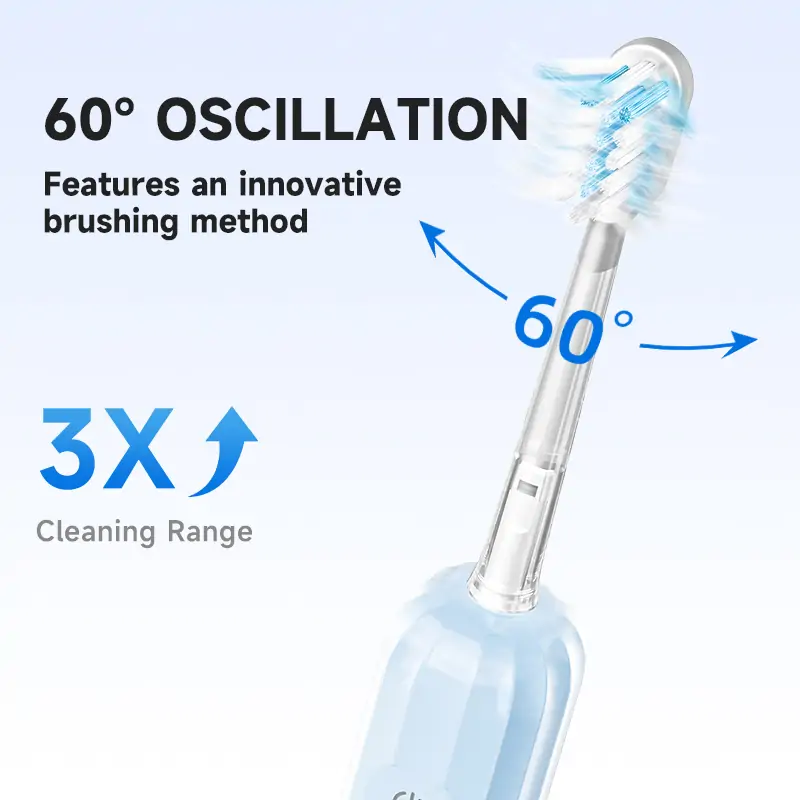
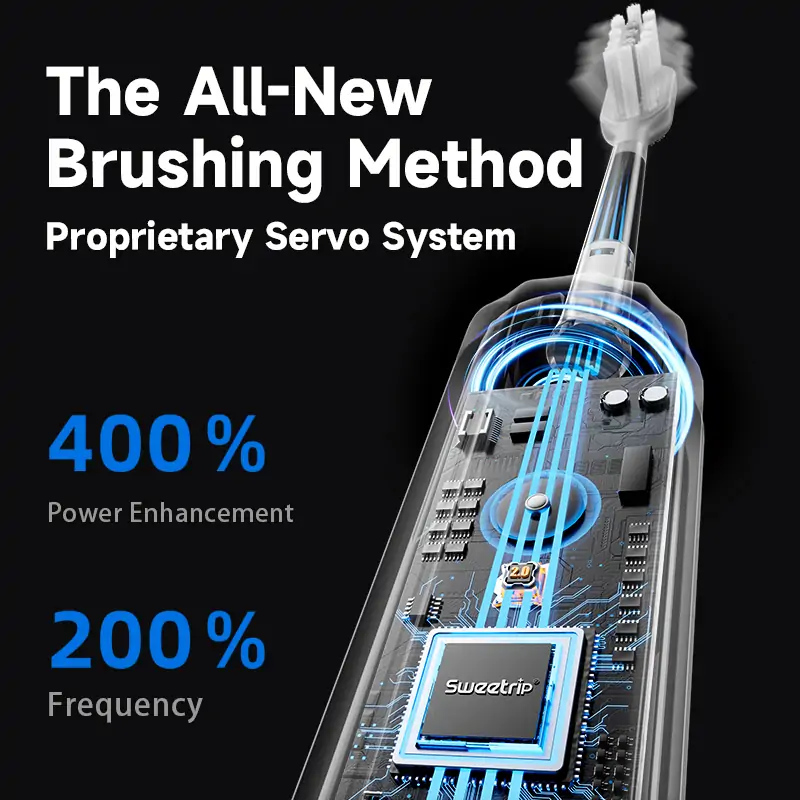
This growth is mainly driven by technological advancements in electric toothbrushes. Features like sonic and oscillation-and-vibration technology offer superior cleaning efficiency compared to manual brushing.
Market Drivers in Thailand and Indonesia
Several factors contribute to the adoption of electric toothbrushes in Thailand and Indonesia:
Rising Oral Health Awareness in Southeast Asia
Government health campaigns and increased dental education have highlighted the importance of preventive oral care. Data from WHO Southeast Asia supports these efforts and highlights their impact across the region. Consumers are increasingly willing to invest in advanced oral-care tools.
Growing Middle-Class Demand for Electric Toothbrushes
Urbanization and higher disposable incomes have made premium oral-care products, including electric toothbrushes, more accessible.

Technological Innovation Shaping the Electric Oral-Care Market
Brands offering features such as multiple brushing modes, pressure sensors, and app connectivity continue to differentiate themselves. Industry reports from Grand View Research highlight these innovations as key purchasing drivers.
E-Commerce Expansion Boosting Electric Toothbrush Sales
Online platforms make it easier for consumers to access both international and local oral-care brands. This benefit is particularly important for consumers in remote areas of Thailand and Indonesia. It enables them to easily purchase high-quality oral-care products.
These trends present a significant opportunity for dental professionals and businesses. The market is becoming increasingly receptive to premium and innovative oral-care solutions.
Market Size and Forecast for Electric Toothbrushes
Analysts estimate that the electric toothbrush market in Thailand is worth approximately USD 120 million. They expect it to grow to USD 180 million by 2030. Indonesia, with its larger population, has an electric toothbrush market valued at around USD 150 million. Analysts project it will grow to USD 230 million by 2030.
Consumers in urban areas and ongoing awareness campaigns drive growth in both countries. Social media also plays a key role in shaping consumer behavior.
OralGos, a leading provider of high-quality electric toothbrushes, has identified Southeast Asia as a key region for expansion. The company highlights Thailand and Indonesia for their strong growth potential. Businesses interested in entering these markets can explore OEM services to customize electric toothbrush products according to local consumer preferences, which enhances market acceptance.
Competitive Landscape in the Southeast Asia Oral-Care Market
Thailand and Indonesia have a competitive electric toothbrush market. It includes a mix of international brands, regional players, and emerging local manufacturers. International companies often leverage brand recognition and technological superiority, while local brands compete on pricing and targeted marketing strategies.
Innovative features such as color-coded timers, interchangeable brush heads, and smart connectivity are increasingly becoming differentiators. For investors and businesses, understanding local consumer behavior and price sensitivity is crucial for market entry and sustained growth.
Challenges and Opportunities for Electric Toothbrush Brands
While the outlook is positive, there are challenges to consider:
- Price Sensitivity: Electric toothbrushes remain a premium product, and affordability is a barrier for certain demographics.
- After-Sales Support: Availability of replacement brush heads and service centers can influence purchase decisions.
- Consumer Education: Continuous awareness campaigns are essential to highlight the benefits over traditional manual brushing.
Despite these challenges, the market offers substantial opportunities. Urban middle-class consumers in Thailand and Indonesia are placing greater emphasis on preventive health, including oral care. This shift creates a favorable environment for the wider adoption of electric toothbrushes.
Conclusion: Outlook for the Southeast Asia Electric Toothbrush Market
The electric toothbrush market in Southeast Asia, particularly in Thailand and Indonesia, presents a compelling growth opportunity. Growing awareness of oral health, new technologies, and stronger retail and e-commerce channels are driving market growth. These factors position the electric toothbrush sector for strong expansion over the next decade.
Brands and dental professionals who want to capture this growth should start by prioritizing product innovation. They also need to understand local consumer insights to design solutions that match market needs. In addition, strengthening distribution strategies will help them reach customers more effectively.
For more insights into high-quality electric toothbrushes designed for Southeast Asian markets, you can explore OralGos product solutions. You can also review their OEM customization services to find options tailored to regional needs.