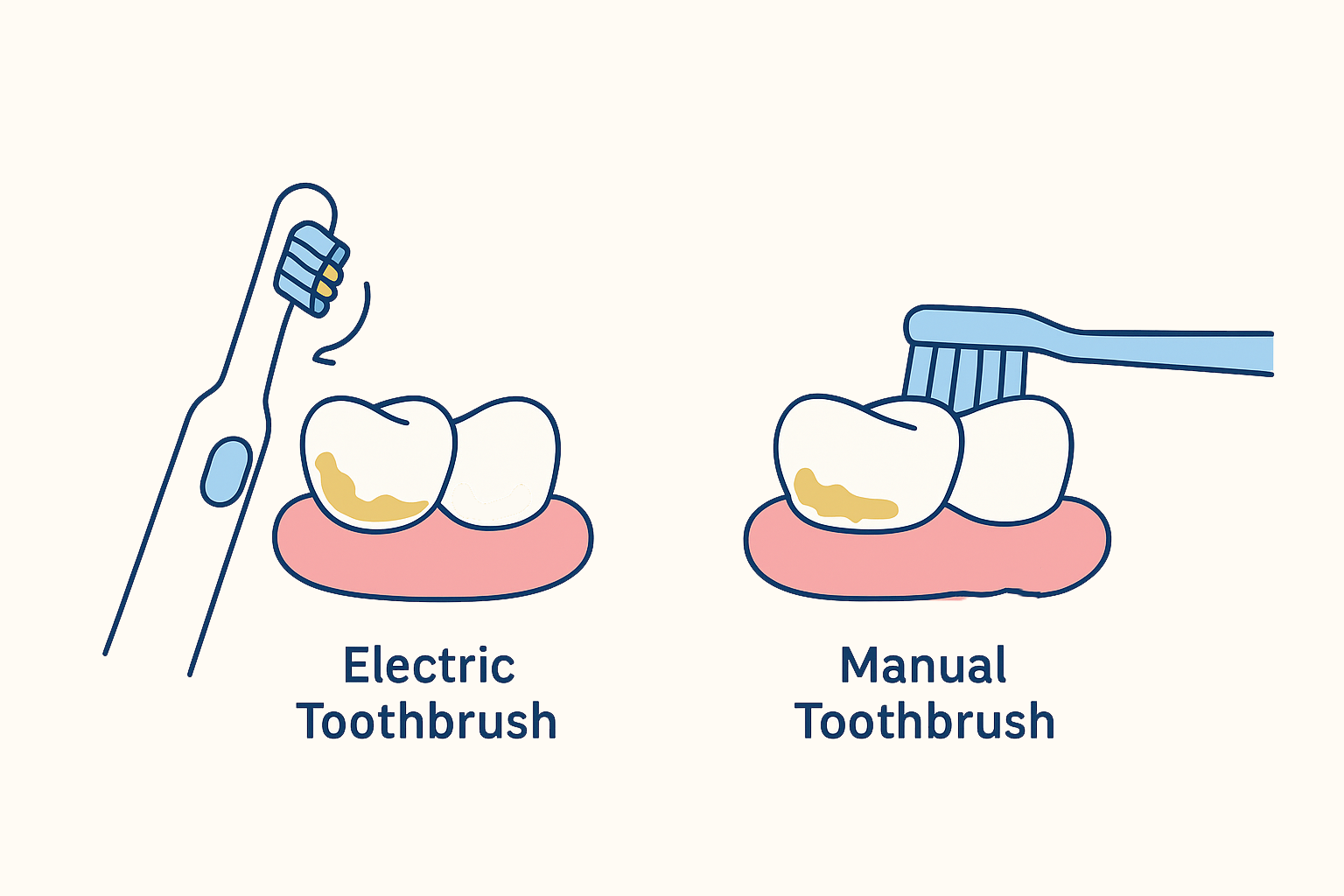
When developing a global product strategy, oral-care brands and distributors often pause to assess regional differences. One key question always emerges: do electric toothbrushes or manual ones sell better in each market? The answer isn’t as simple as personal preference. The wholesale market for electric and manual toothbrushes differs significantly between regions. Factors such as consumer income, retail maturity, and local brushing habits strongly influence these differences. Understanding these differences helps wholesalers optimize product mix, pricing, and marketing for stronger regional penetration.
This article focuses on two major regions: North America and Southeast Asia. It aims to help wholesale buyers and private-label brands make informed decisions.
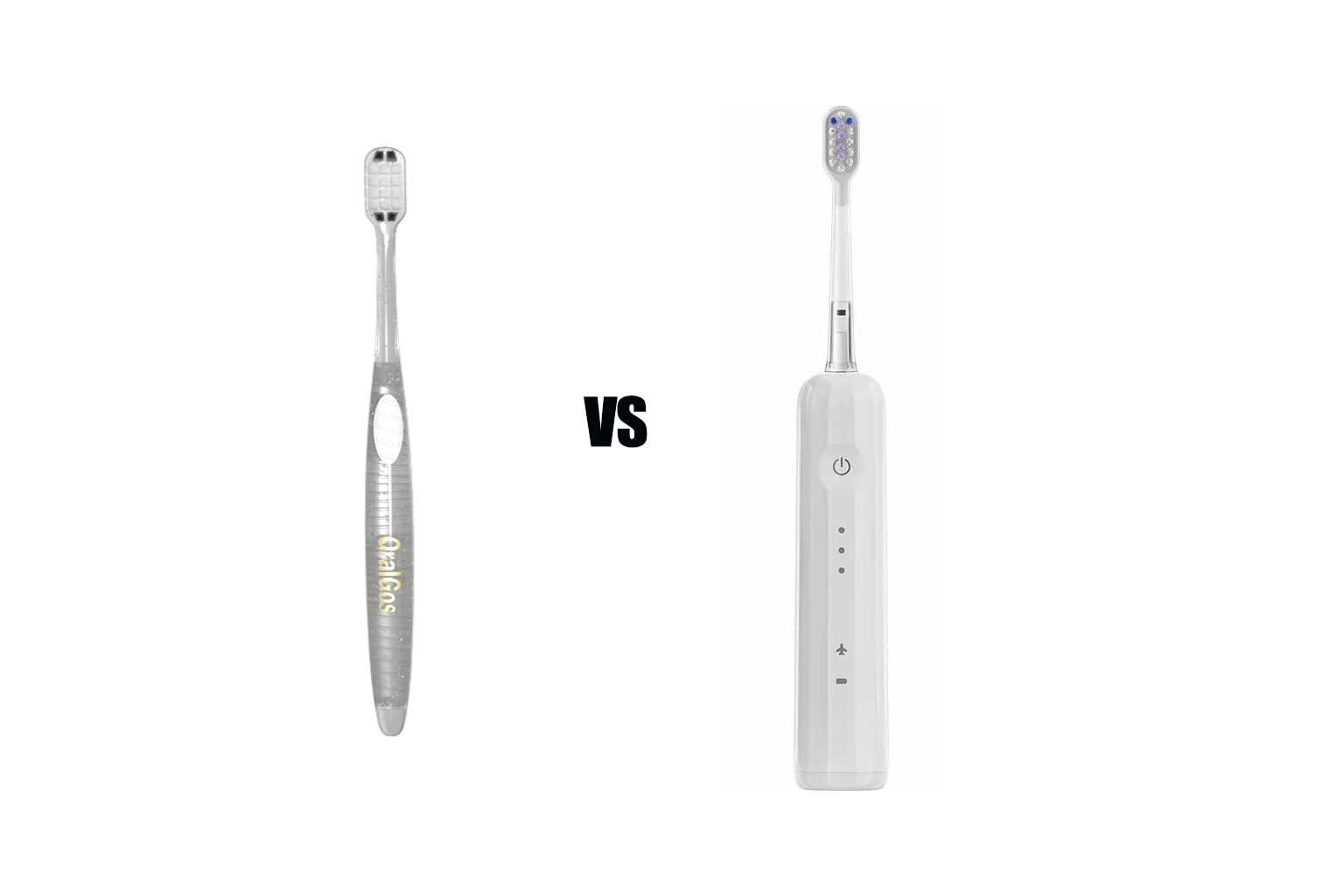
Electric vs Manual Toothbrush Wholesale Trends
Growing Polarization in Global Demand
Globally, the market is shifting in two directions. High-income regions are rapidly adopting smart brushing technology. In contrast, traditional manual toothbrushes still dominate in emerging markets. However, both categories continue to thrive in wholesale channels, and each serves a distinct customer segment.
To support wholesale planning, let’s break down regional patterns.
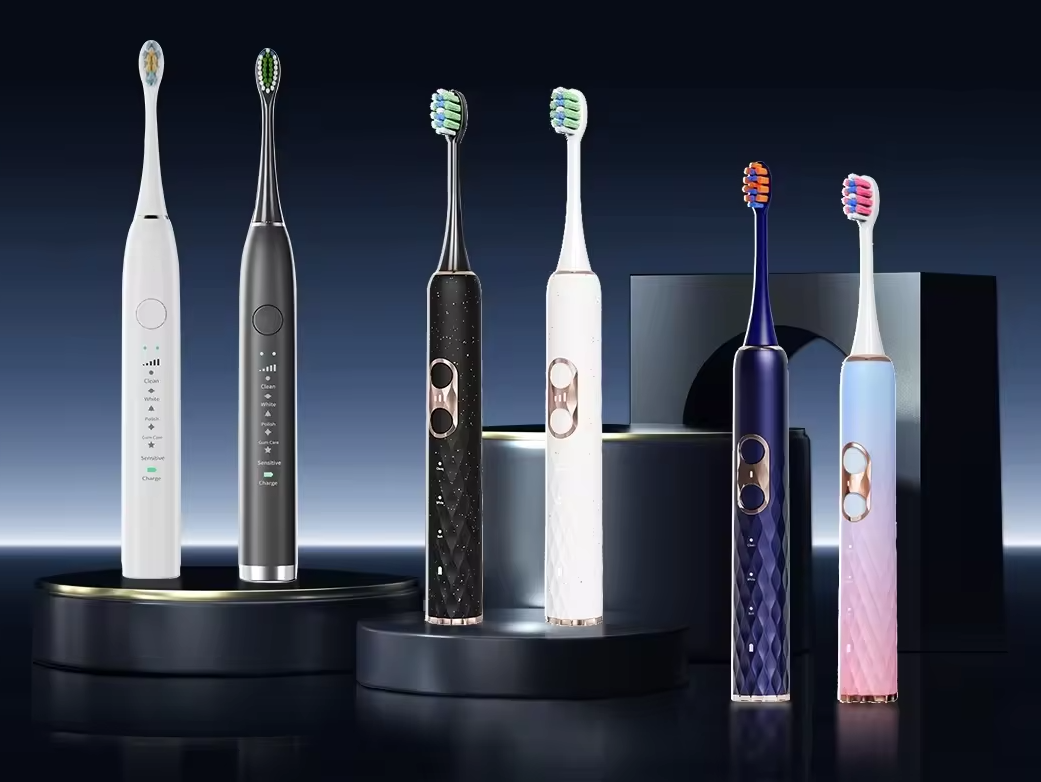

North America Electric vs Manual Toothbrush Wholesale Overview
North America is one of the world’s most advanced oral-care markets. At present, over 50% of households own at least one electric toothbrush. Consumers continue to increase their use of electric toothbrushes. They prefer models that offer features such as gum-health monitoring, pressure-sensitive brushing, and subscription-based replacement heads.
Why Electric Dominates North American Wholesale Pipelines
- High disposable income – Retail prices between USD 30–120 are widely accepted.
- Strong retail ecosystems – Walmart, Target, and Amazon aggressively promote electric models.
- Tech-driven culture – Smart home and wellness tech trends boost adoption.
For wholesale buyers, this means electric-focused assortments perform extremely well. Product categories such as oscillating, sonic, and app-connected brushes show fast turnover. Brands offering replacement-head bundles and rechargeable models gain additional retail margin.
Manual Toothbrush Role in North America
Despite the rise of electric brushes, the manual category remains essential. Manual toothbrushes dominate value retail and bulk purchases for dental clinics. Institutions such as schools, travel kits, and healthcare programs also widely use them. Wholesale buyers in these channels typically seek:
- medium or soft bristles
- ergonomic handles
- antimicrobial or charcoal-infused bristle designs
Offering a mix of premium electric toothbrushes and low-cost manual options proves to be an effective wholesale strategy. This approach works particularly well in the U.S. and Canada.
Southeast Asia Electric vs Manual Toothbrush Wholesale Overview
Southeast Asia presents a different picture. In many countries, manual toothbrushes still make up more than 80% of total sales. This is especially true in Indonesia, Vietnam, and the Philippines. Price sensitivity and limited electric-brush education remain the key factors.
Manual Toothbrushes Lead in Affordability and Accessibility
Wholesale demand is driven by:
- lower unit price
- wide distribution in traditional trade retail
- fast inventory cycles
- strong acceptance of medium-soft bristles and multi-color packs
Manual toothbrushes remain the backbone of B2B supply in ASEAN markets, especially for supermarkets, pharmacies, and rural distributors.
Emerging Opportunities for Electric Toothbrushes
Although electric penetration is still nascent, adoption is rising quickly among young urban consumers in Thailand, Malaysia, and Singapore. E-commerce platforms—Shopee, Lazada, Tokopedia—are accelerating category growth.
Wholesalers entering SEA markets should consider introducing:
- entry-level rechargeable sonic models
- travel-friendly AA-battery brushes
- value bundles with 2–4 replacement heads
The market landscape is shifting, and the balance between electric and manual toothbrush wholesale is evolving. Early movers in this space can gain a long-term advantage.
Choosing the Right Electric vs Manual Toothbrush for Wholesale
Wholesale buyers must evaluate three critical factors before deciding on electric or manual toothbrushes. These are the maturity of the market, the purchasing capacity of buyers, and the distribution channel type.
Market Maturity and Category Awareness
- Mature markets (North America, Western Europe) → higher electric demand
- Emerging markets (SEA, South Asia) → manual dominates, but electric is growing among youth
Price Positioning and Margin Strategy
Electric brushes offer higher margin per unit, while manual brushes provide volume and fast turnover. A hybrid strategy ensures both profitability and customer retention across channels.
Retail vs Institutional Channels
- Retail distributors benefit from smart, premium electric models.
- Hospitals, schools, NGOs, hotels, and clinics prefer manual wholesale options because of budget and frequency of replacement.
To help wholesalers make informed decisions, it is useful to explore detailed product categories. For electric toothbrushes, you can check out Oralgos’ electric toothbrush range to see models suitable for different markets. Similarly, for manual toothbrushes, Oralgos offers a comprehensive selection that covers a wide variety of styles and price points.
For a broader understanding of global oral-care trends, industry professionals can consult Statista’s oral-care market data. It provides up-to-date insights across different regions.
Conclusion: Align Your Wholesale Strategy With Regional Market Reality
The electric vs manual toothbrush wholesale decision depends heavily on where you plan to sell.
- North America: electric leads, manual supports bulk channels.
- Southeast Asia: manual dominates, electric rising quickly in urban areas.
Brands that match their product selection to market maturity, retailer requirements, and consumer behavior can improve sell-through. This approach also strengthens long-term competitiveness.