Oral hygiene continues to evolve rapidly. In 2026, the comparison between electric vs manual toothbrushes remains a key focus for both dental professionals and consumers. While traditional manual toothbrushes have served generations, electric toothbrushes have rapidly gained popularity because their advanced technology delivers stronger clinical results. This article explores the differences, benefits, and market behavior of users, supported by clinical data, charts, and expert insights.
Understanding the Basics: Electric vs Manual Toothbrushes
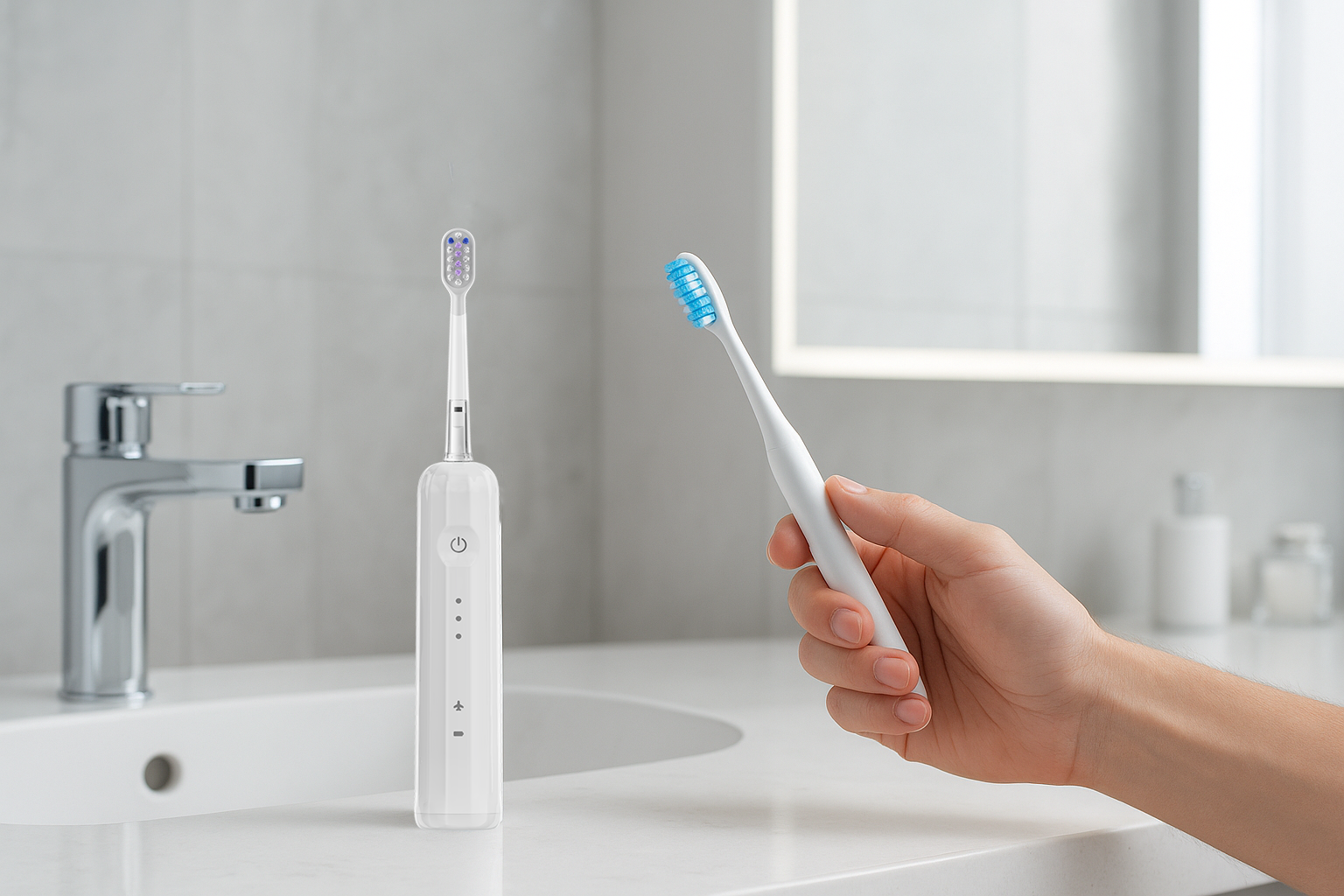
Electric toothbrushes—often called powered toothbrushes—use oscillating, vibrating, or sonic movements to clean the teeth. These motions remove plaque more effectively than manual brushing. In contrast, manual toothbrushes rely entirely on the user’s brushing technique and consistency. While both can maintain oral hygiene when used properly, the efficiency, ease of use, and user engagement differ significantly.
Clinical Insight: A 2024 meta-analysis was published in the Journal of Clinical Dentistry. It found that electric toothbrushes remove 21% more plaque than manual toothbrushes. Over a three-month period, they also reduce gingivitis by 11%.
For those looking for high-quality options, explore our recommended ranges:
Advantages of Electric Toothbrushes over Manual Options
Electric toothbrushes offer multiple advantages over manual brushing:
Superior Plaque Removal
Powered toothbrushes move at consistent speeds and with precise motions. This helps remove plaque more effectively, especially in hard-to-reach areas like molars and along the gumline. Clinical studies have shown that even users with suboptimal brushing habits achieve better outcomes with electric models.
Ease of Use for All Ages
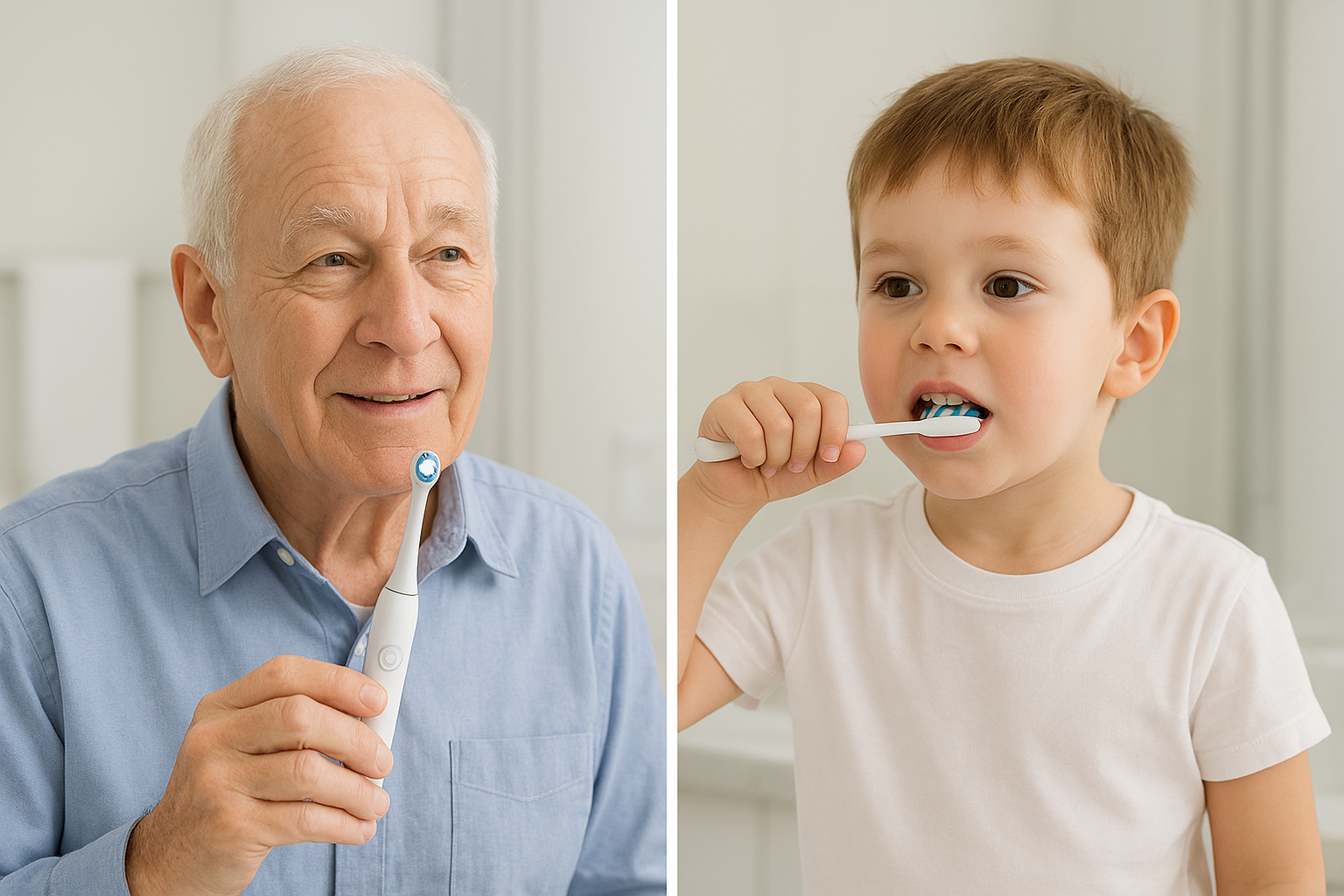
Electric toothbrushes are particularly beneficial for children, elderly users, or individuals with limited dexterity. The automated motion reduces the effort required, promoting consistent brushing habits. This has contributed to the growing adoption among families and senior households.
Technology-Driven Features
Modern electric toothbrushes include timers, pressure sensors, and app integration, encouraging optimal brushing time and technique. Consumers increasingly value these features, which translate into measurable improvements in oral health over time.
Consumer Insight: A 2025 survey by Dental Insights Global looked at first-time electric toothbrush users. The study showed that 62% had switched from manual brushes. They aimed to improve cleaning efficiency as their primary reason for the change.

Benefits of Manual Toothbrushes Compared to Electric
Despite the growing popularity of electric options, manual toothbrushes maintain relevance due to their affordability, portability, and simplicity.
Cost-Effectiveness
Manual toothbrushes are significantly cheaper upfront and require no electricity or replacement heads. They remain ideal for budget-conscious users or those seeking a travel-friendly solution.
Flexibility and Control
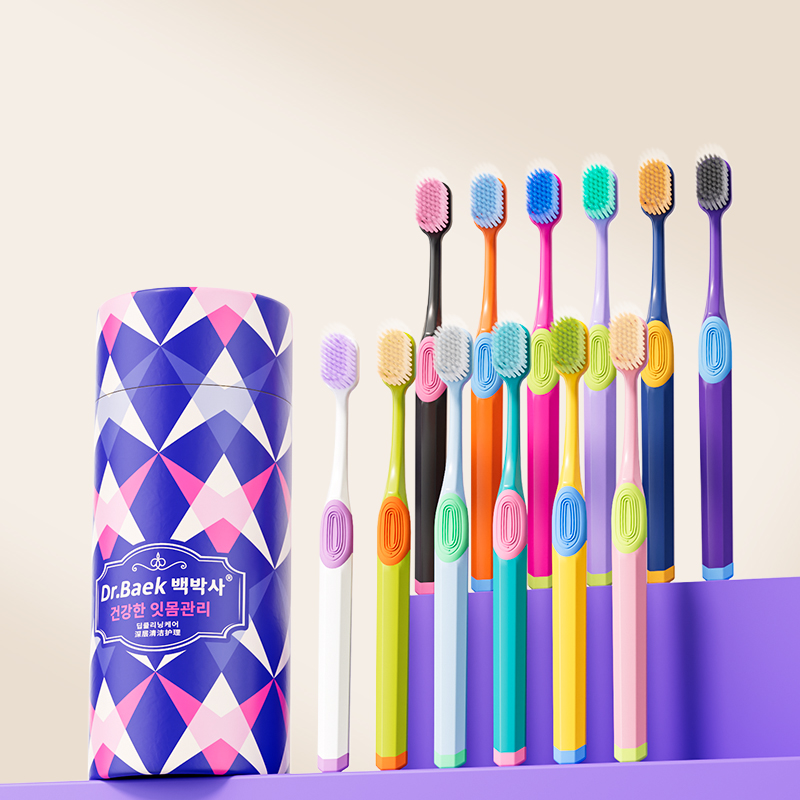
Manual brushing allows users to apply personalized pressure and brushing patterns. If you brush correctly, a manual toothbrush can remove plaque efficiently. For short-term results, it can perform nearly as well as an electric brush.
Environmental Considerations
For consumers concerned with sustainability, many manual toothbrushes now feature biodegradable handles or recyclable materials, reducing environmental impact compared to electronic counterparts.
Market Trends and Consumer Behavior: Electric vs Manual in 2026
The electric vs manual debate is also influenced by consumer behavior trends. Over the past five years, the use of electric toothbrushes has grown by nearly 35% in developed markets. In contrast, sales of manual toothbrushes have remained largely unchanged. Factors driving this shift include technological awareness, dentist recommendations, and lifestyle convenience.
Purchase Drivers
- Health Awareness: Consumers increasingly prioritize clinical effectiveness over cost.
- Technology Appeal: Smart features and app connectivity appeal to younger demographics.
- Brand Trust: Companies offering quality certifications and consistent innovation, like those featured at OralGos, see higher adoption rates.
Clinical Comparison of Electric vs Manual Toothbrush Performance
A summary of clinical findings reveals key differences:
| Feature | Electric Toothbrush | Manual Toothbrush |
|---|---|---|
| Plaque Reduction | +21% | Baseline |
| Gingivitis Improvement | +11% | Baseline |
| User Ease (Low Dexterity) | High | Moderate |
| Brushing Time Compliance | High | Low |
| Long-Term Oral Health Impact | Positive | Moderate |
These data support the recommendation of electric toothbrushes for individuals seeking consistent and measurable oral health improvements.
Frequently Asked Questions about Electric vs Manual Toothbrushes
Q1: Can manual toothbrushes provide comparable oral hygiene results to electric toothbrushes?
Yes, manual toothbrushes can maintain good oral hygiene when used with proper technique. However, electric toothbrushes tend to deliver more consistent results, particularly in reducing plaque and supporting gum health.
Q2: What is the recommended replacement schedule for an electric toothbrush head?
Most dental experts recommend replacing brush heads every three months to maintain cleaning effectiveness.
Q3: Are electric toothbrushes safe for sensitive teeth?
Yes, modern electric toothbrushes often include pressure sensors and multiple cleaning modes. These features help protect sensitive teeth and gums without harming enamel.
Conclusion: Choosing Between Electric vs Manual Toothbrushes
In 2026, choosing between an electric or manual toothbrush depends on personal preference and budget. Oral health priorities also play a key role in the decision. Electric toothbrushes provide better cleaning, convenience, and technology-driven features. They are the preferred choice for most users, especially those looking for clinically proven results.
Manual toothbrushes remain viable for cost-conscious consumers and those with environmentally focused lifestyles.
For users ready to upgrade or explore options, check the latest offerings:
By considering the advantages, clinical evidence, and market trends, consumers can make informed choices. This helps ensure optimal oral health in 2026 and beyond.