The durability of a toothbrush often depends on details that consumers never see. For manufacturers, Toothbrush Handles are the core component that determines comfort, lifespan, and brand reputation. Injection molding technology focuses on mold precision, material science, and structural strength. These three factors help manufacturers create toothbrush handle structures that remain durable after years of daily use.
Why Toothbrush Handles Matter in Injection Molding
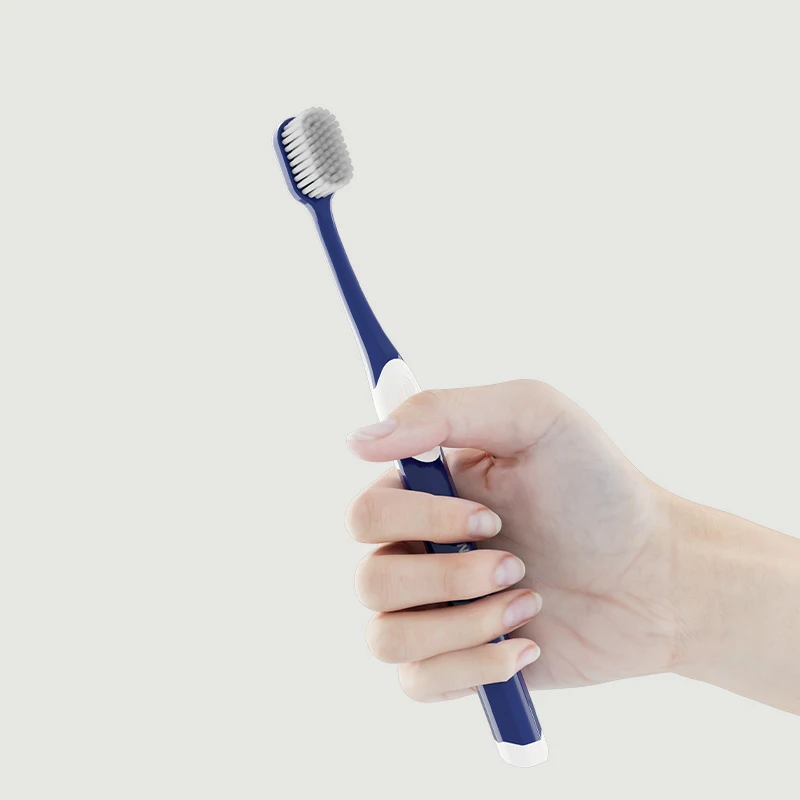
In mass production, Toothbrush Handles must keep a stable shape while remaining pleasant to hold. Injection molding allows factories to produce millions of identical toothbrush handle structures. However, subtle details in mold design and material choice determine whether each handle feels solid or becomes weak. The process starts with a carefully engineered mold.
A high-quality mold controls wall thickness, rib position, and surface texture. If these parameters are careless, even an attractive design can crack near the neck or the grip zone.
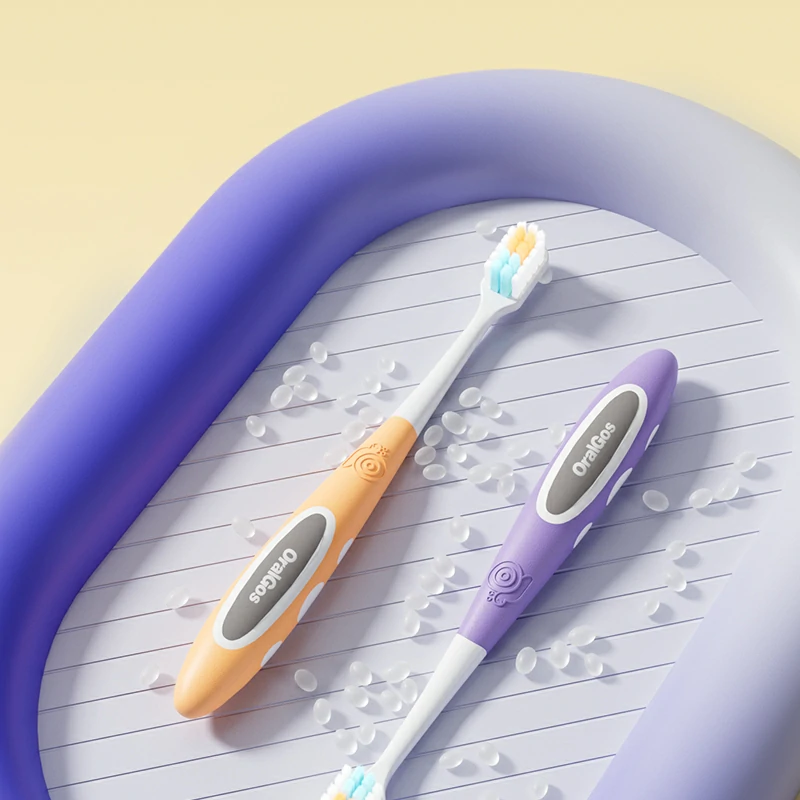
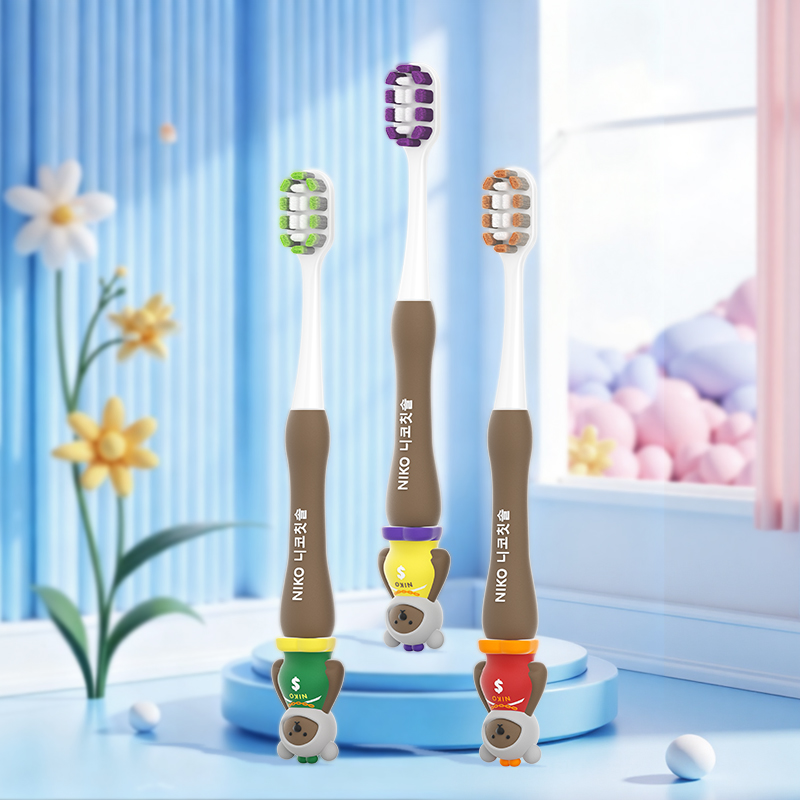
Mold Secrets for Toothbrush Handles
Hidden Design of the Mold
Mold design is like writing a silent instruction book for molten plastic. Engineers add micro ribs inside the cavity to increase the structural strength without making the handle heavy.
Engineers arrange cooling channels close to the areas where Toothbrush Handles require the highest stiffness. Balanced cooling reduces internal stress and prevents warping. Many new manufacturers overlook this stage, but experienced teams know that 70% of handle problems originate from imperfect tooling.
Precision Details
Texture on the surface of product design is also defined by the mold. Laser-etched patterns improve friction and help combine hard plastic with soft TPE over-molding. Venting slots release trapped air so the material flows smoothly to thin sections. These are the “secrets” that keep the final handle dense and uniform.
Material Choices Behind Toothbrush Handles
Plastic Materials
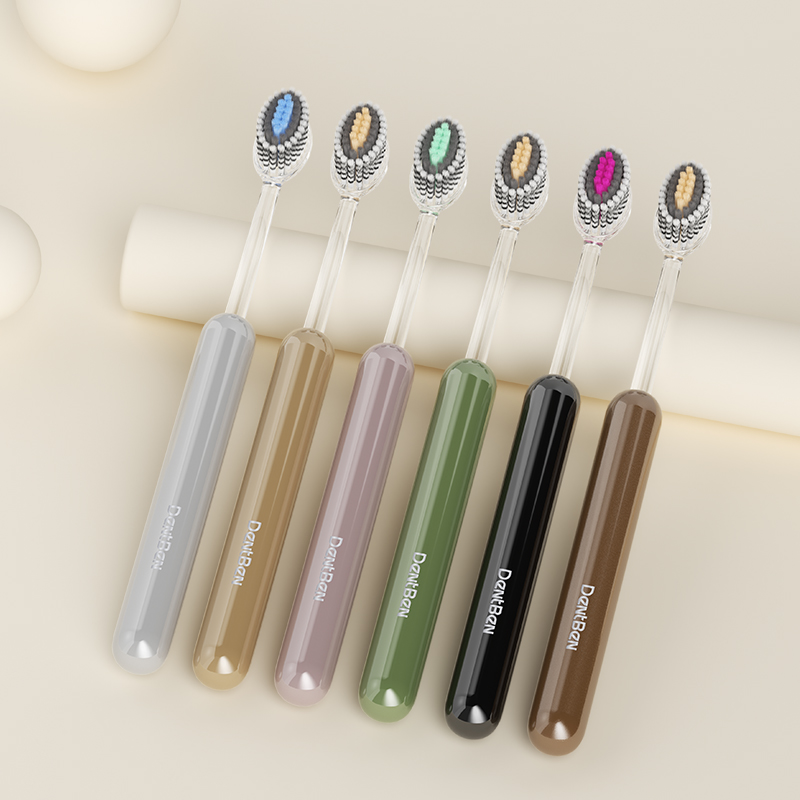
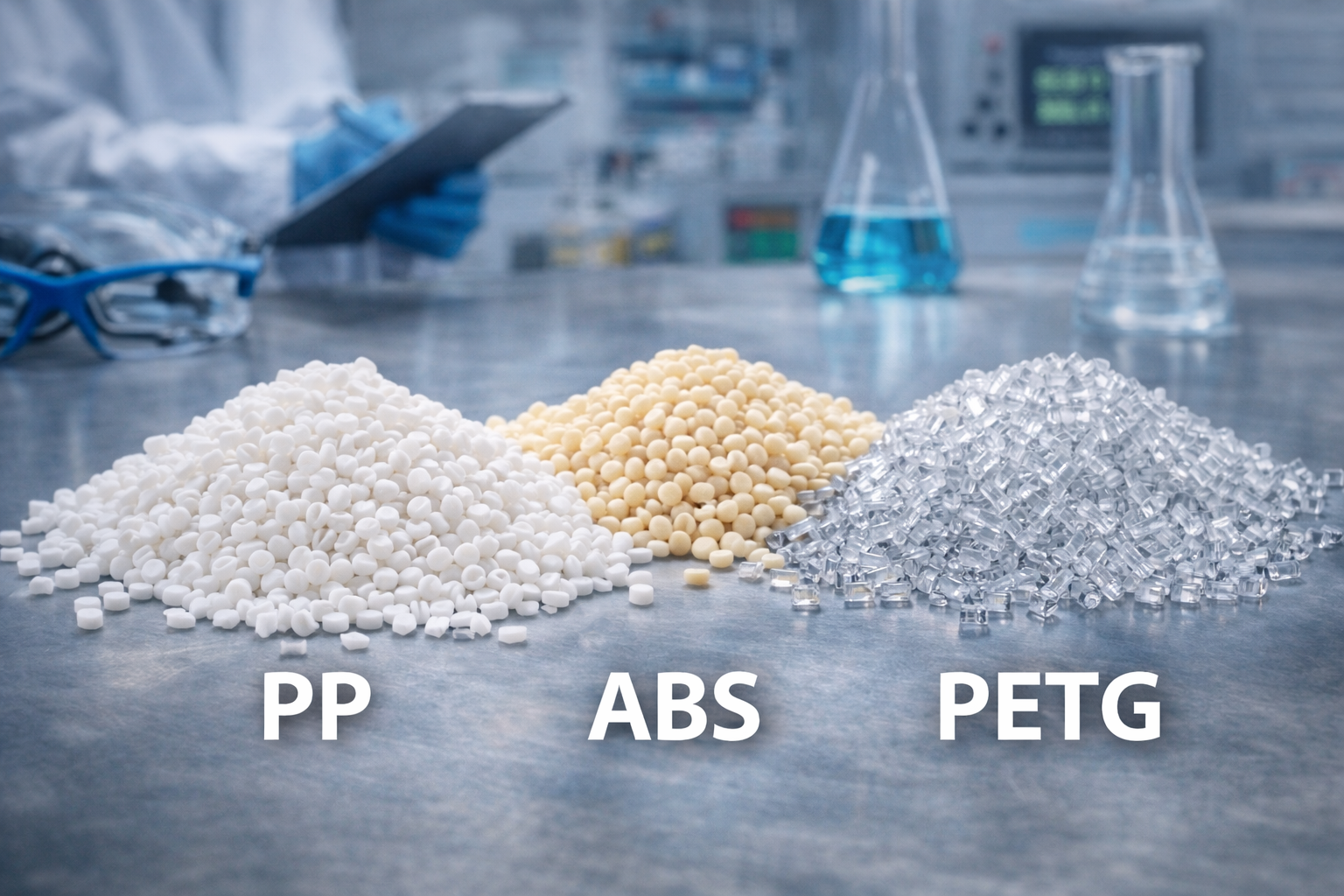
The most common materials for Toothbrush Handles include PP, ABS, and PETG. PP offers flexibility and chemical resistance, while ABS provides higher rigidity. PETG provides a glossy finish that enhances the premium look of toothbrush handles.
For toddler or sensitive markets, bio-based plastics are becoming popular. The British Dental Foundation emphasizes that handle materials must resist moisture and common bathroom cleaning agents. This resistance directly contributes to the long-term safety and structural strength of toothbrush handles.
Soft Rubber Materials
TPE or silicone parts on Handles add ergonomic comfort. But they must bond firmly with the main body during over-molding. Factories test how well the materials bond through melt-flow rate and surface energy measurements. Good material matching increases structural strength at the grip and avoids peeling.
For buyers exploring product varieties, you can view a range of designs in our manual toothbrush collection. This page helps brands compare different Toothbrush Handles styles before defining their own OEM specification.
Structural Strength Engineering
Wall Thickness
Toothbrush Handles usually keep 2.0–3.0 mm wall thickness. The neck area needs reinforcement ribs to bear brushing force that can reach several kilograms. Engineers simulate bending tests and drop tests. A durable handle balances hardness with a slight bend, just like a good shoe sole—firm but not like a brick.
Impact of the Mold on Strength
The mold decides fiber orientation and flow lines inside Handles. Placing the gate near the tail end improves strength along the length of the handle. Hot runner systems maintain a steady temperature so the material forms a compact core.
Testing Methods
Factories evaluate structural strength of Toothbrush Handles through torque testing, environmental aging, and cyclic fatigue. The American Dental Association explains that brushing generates repeated stress, therefore handle resilience is essential for oral care effectiveness.
Production Process of Toothbrush Handles
Injection Steps
- Plastic pellets melt and enter the mold.
- The mold shapes the future Toothbrush Handles.
- Cooling channels stabilize structural strength.
- Ejection pins release the finished handle.
Every step connects like a relay race. A delay in one part of the process impacts the overall production performance.
Over-Molding
For premium brands, over-molding creates two-color Handles. The first shot forms the rigid body, and the second shot adds TPE grip. Proper tooling tolerance keeps the structural strength at the joint line.
Common Mistakes with Toothbrush Handles
Tooling Errors
Cheap molds place cooling channels far from the neck, making Handles brittle. Another mistake is uneven thickness. Material then shrinks differently and reduces structural strength.
Material Errors
Some startups choose recycled plastic with unstable MFR. Although the handles appear fine, they can fail under drop testing. Bio-compatibility certificates and supplier audits are necessary before final decision.
Future Trends for Toothbrush Handles
Smart Materials
Glass-fiber reinforced PP and PCR blends are emerging. Mold upgrades focus on higher structural strength and lighter Handles.
Sustainable Tooling
European consumers prefer eco designs. According to Plastics News, investment in handle tooling is steadily increasing as brands prioritize durability over cost.
Conclusion on Toothbrush Handles
The real injection molding secrets hide in the cooperation of mold, material, and structural strength. For manufacturers, Toothbrush Handles are not a simple stick but a mechanical foundation. When factories respect these details, the handle rewards the brand with loyalty and fewer complaints.