Choosing the right toothbrush can make a significant difference in maintaining oral health. Among the many options available, the debate often comes down to soft vs ultra-soft toothbrush bristles. While both products clean effectively, you must understand their distinctions and appropriate use for optimal dental care.
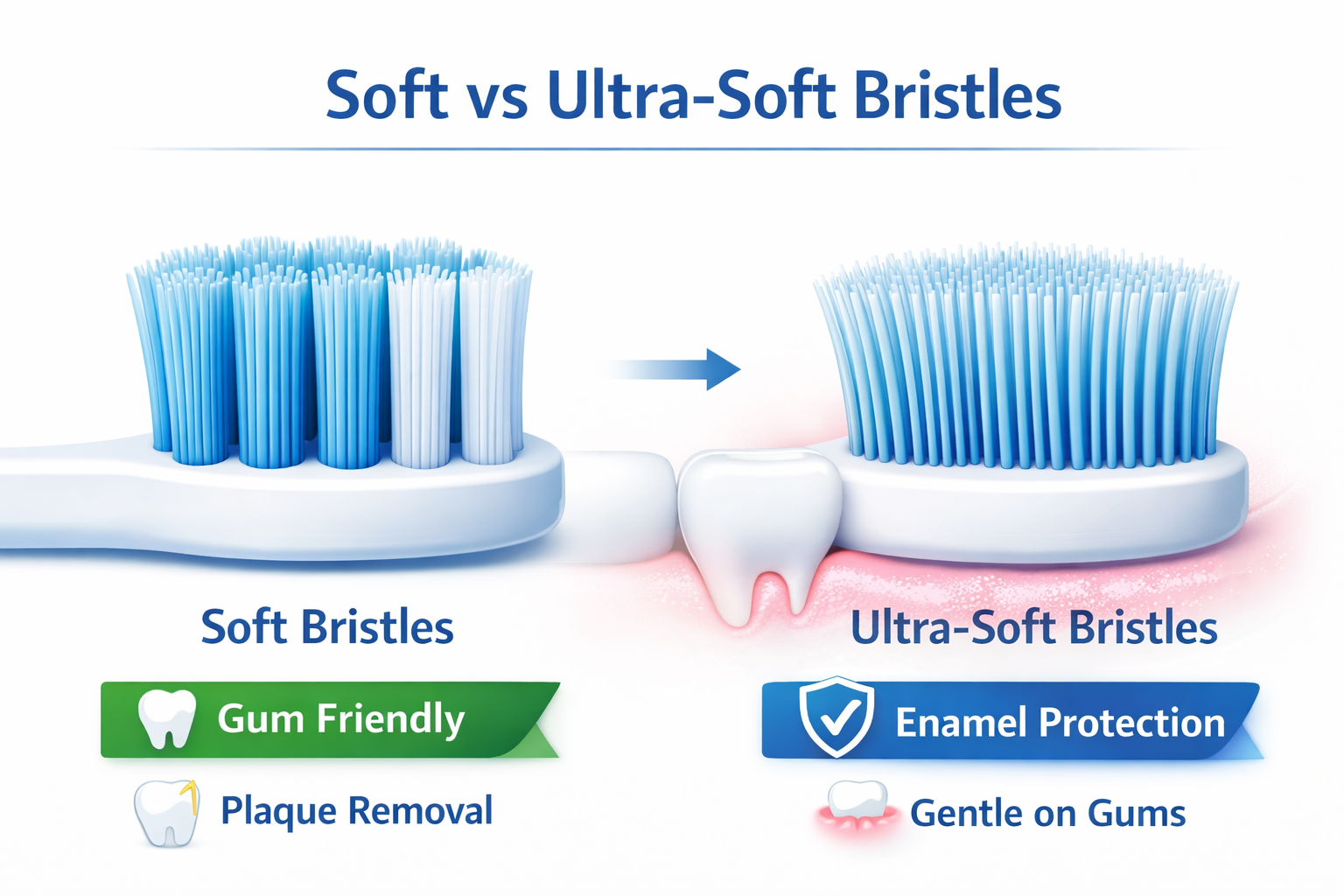
What Defines Soft and Ultra-Soft Bristles?
Soft toothbrushes are the most commonly recommended by dental professionals. They feature flexible bristles that are gentle on the gums while effectively removing plaque from teeth surfaces. Ultra-soft toothbrushes, on the other hand, take gentleness a step further.
Ultra-soft toothbrushes feature thinner, finer bristles. These bristles reduce abrasion, making the brush ideal for people with sensitive gums, receding gum lines, or enamel erosion.
According to the American Dental Association, both soft and ultra-soft toothbrushes are safe for daily use. People often choose ultra-soft toothbrushes when brushing causes gum irritation or sensitivity.
Key Benefits of Soft Toothbrushes
Soft toothbrushes are a practical choice for most users. Their primary benefits include:
- Effective Plaque Removal: Despite their gentleness, soft bristles can adequately remove plaque from teeth and along the gumline.
- Widely Accessible: People can purchase soft toothbrushes from pharmacies or online, choosing from many handle designs and bristle patterns.
- Durability: They retain their shape longer than ultra-soft variants, making them a cost-effective option.
The OralGos manual toothbrush collection offers many soft toothbrush models. These options meet key criteria and are ideal for anyone looking to try different designs.
Why Manufacturers Recommend Ultra-Soft Toothbrushes
Ultra-soft toothbrushes are particularly recommended for people with delicate oral tissues. Manufacturers emphasize several advantages:
- Minimal Enamel Wear: Ultra-soft bristles reduce the risk of enamel abrasion compared to firmer brushes.
- Gentle on Sensitive Gums: Ultra-soft toothbrushes reduce bleeding and discomfort while brushing. This feature is especially beneficial for people with gingivitis or periodontal issues.
- Enhanced Comfort: Many users find ultra-soft bristles provide a more pleasant brushing experience, encouraging consistent oral hygiene habits.
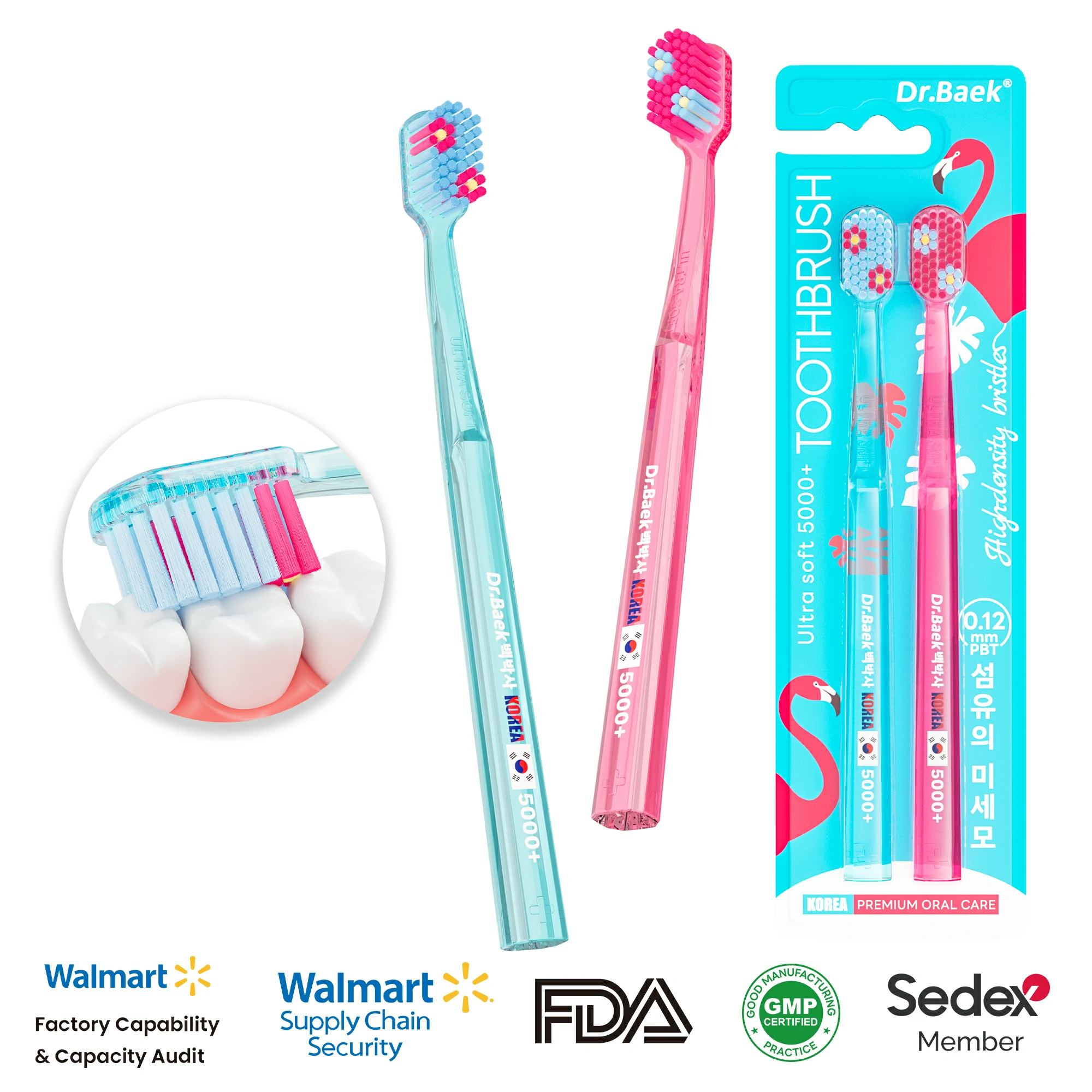
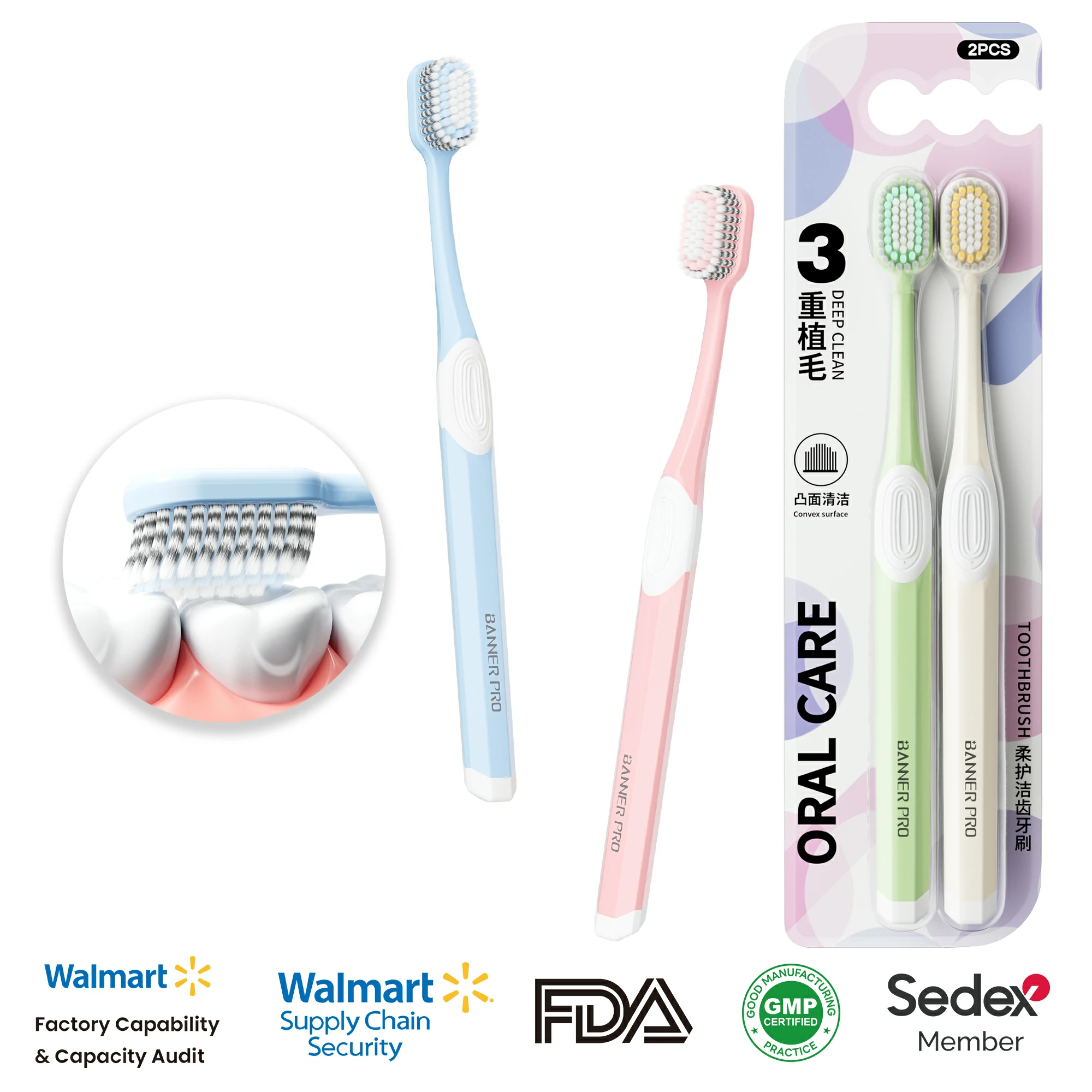
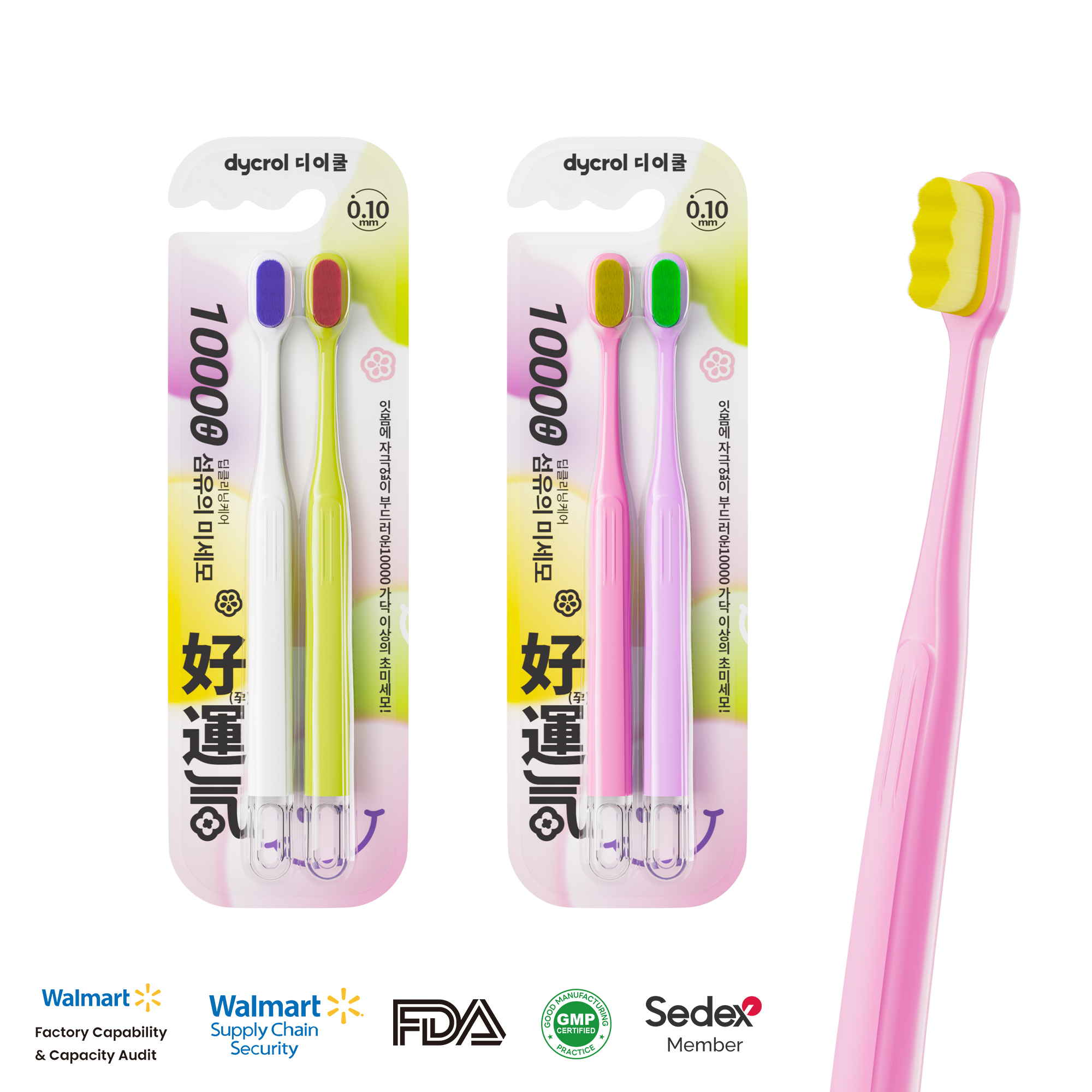
The OralGos Ultrasoft PBT Toothbrush is an excellent choice for anyone seeking an ultra-soft option. Its flexible and durable bristles provide a gentle brushing experience.
Choosing Between Soft and Ultra-Soft
Deciding between a soft and ultra-soft toothbrush depends on individual oral health needs. Here are some guidelines:
- Routine Use: Most individuals can safely use soft toothbrushes for daily brushing, provided they apply gentle pressure.
- Sensitive Teeth or Gums: Ultra-soft brushes are preferable for those experiencing sensitivity, gum recession, or recent dental procedures.
- Children or Elderly Users: Ultra-soft bristles can protect delicate oral tissues in these groups.
Brushing technique often matters more than bristle firmness. Gentle, circular motions and twice-daily brushing are key to preventing plaque buildup and maintaining gum health.
Expert Recommendations and Dental Guidelines
Most dental professionals view the soft vs ultra-soft toothbrush debate as a matter of suitability, not superiority. The American Dental Association emphasizes choosing a brush that removes plaque effectively while minimizing damage to gums and enamel.
Manufacturers incorporate this guidance when designing bristles and brush heads. For example, ultra-soft brushes use tapered bristles or specialized synthetic filaments. This design helps them clean between teeth and along the gumline without causing irritation.
Maintenance and Replacement Tips
Regardless of bristle type, toothbrush hygiene is essential:
- Replace Every 3–4 Months: Worn bristles reduce cleaning efficiency and may harbor bacteria.
- Rinse Thoroughly After Use: Remove toothpaste residue and debris.
- Store Upright and Air-Dry: Avoid closed containers that promote microbial growth.
Following these simple practices ensures that both soft and ultra-soft toothbrushes perform effectively while maintaining oral hygiene.
Conclusion
Knowing the differences between a soft vs ultra-soft toothbrush helps users choose the option that fits their oral health needs. Soft brushes work well for most adults. Ultra-soft options offer extra care for sensitive teeth, gums, or weakened enamel. Choosing the right bristle type and brushing properly helps people maintain healthy teeth and gums without discomfort.