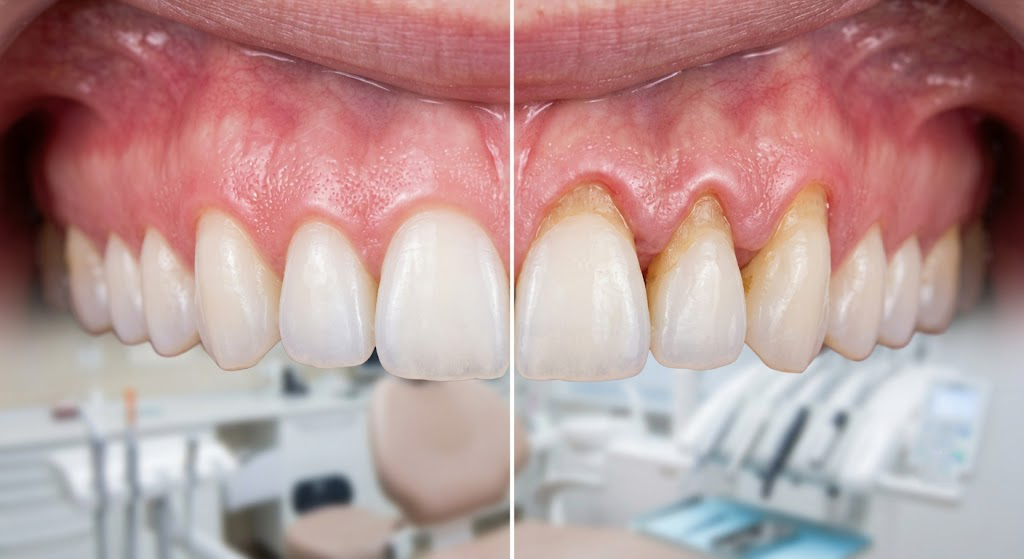
A healthy, confident smile relies heavily on the foundation supporting your teeth: your gingival tissue. Longer-looking teeth and sudden sensitivity to hot or cold are classic signs of gum recession. This common oral health issue triggers an urgent question: can receding gums grow back?
Understanding the biological reality of your gums is the first step toward managing this condition effectively. Let us dive into what modern dental science says about reversing gum tissue loss.
The Biological Truth: Can Receding Gums Grow Back Naturally?
To give a direct, clinical answer: no, receding gums cannot grow back on their own.
Skin and bone tissues can heal and regenerate after an injury. However, your gums are different; once lost, they cannot grow back. Epithelial and connective tissues make up your gums, anchoring them firmly to the alveolar bone. When chronic inflammation, aggressive mechanical forces, or bacterial biofilms destroy this attachment, the tissue pulls back permanently.
Can natural home remedies, specialized toothpastes, or oils reverse this process? The clinical reality is simple: they cannot. While you cannot naturally regrow the tissue, you can completely stop the damage. Advanced dental procedures can then restore your gum line.
Common Causes of Gingival and Gum Recession
Before exploring clinical interventions, it is crucial to understand why the tissue recedes in the first place. Pinpointing the root cause prevents further damage.
- Periodontal Disease: This is the leading cause of recession. Chronic bacterial infections destroy the gum fibers and supporting bone structures.
- Aggressive Toothbrushing: Using excessive force or hard bristles literally wears away the delicate gingival margins.
- Poor Oral Hygiene: Poor brushing and flossing allow plaque to harden into tartar. Once it forms, only a dental professional can remove it.
- Orthodontic Alignment: Misaligned teeth can put extra pressure on your gums. Similarly, moving teeth too fast with braces can stress the surrounding bone and tissue.
Clinical Treatments for Managing Advanced Gum Tissue Loss
If your recession is severe, causing root exposure, pain, or aesthetic concerns, professional dental intervention is necessary. Because gums cannot grow back naturally, dentists must rely on professional restoration methods. These include both surgical and non-surgical options.
Deep Cleaning: Scaling and Root Planing for Gum Recession
For mild to moderate cases driven by gum disease, a deep cleaning called scaling and root planing is the first line of defense. A dental hygienist removes all tartar and plaque from above and below the gumline. Then, they smooth the tooth roots to help the remaining gum tissue reattach firmly.
Gum Grafting Surgery to Repair Severe Tissue Loss
If severe recession exposes the tooth root, a gum specialist can perform a gingival graft. During this procedure, the doctor takes a small piece of tissue from your palate or a donor source. Then, they attach it to the affected area to cover the root. This covers the exposed root and protects the tooth from decay and loss.
The Pinhole Surgical Technique (PST) for Receding Gums
A minimally invasive alternative to grafting, PST involves making a tiny hole in the gum tissue. Using specialized tools, the dentist gently loosens your gum tissue and glides it over the exposed root. Then, they use collagen strips to stabilize the area.
Prevention Tips: How to Protect Your Receding Gum Line
Preventing further recession is your absolute best strategy. The right daily habits protect the delicate gingival margin and keep bacterial biofilms at bay.
1. Upgrade Your Brushing Technique to Prevent Gum Recession
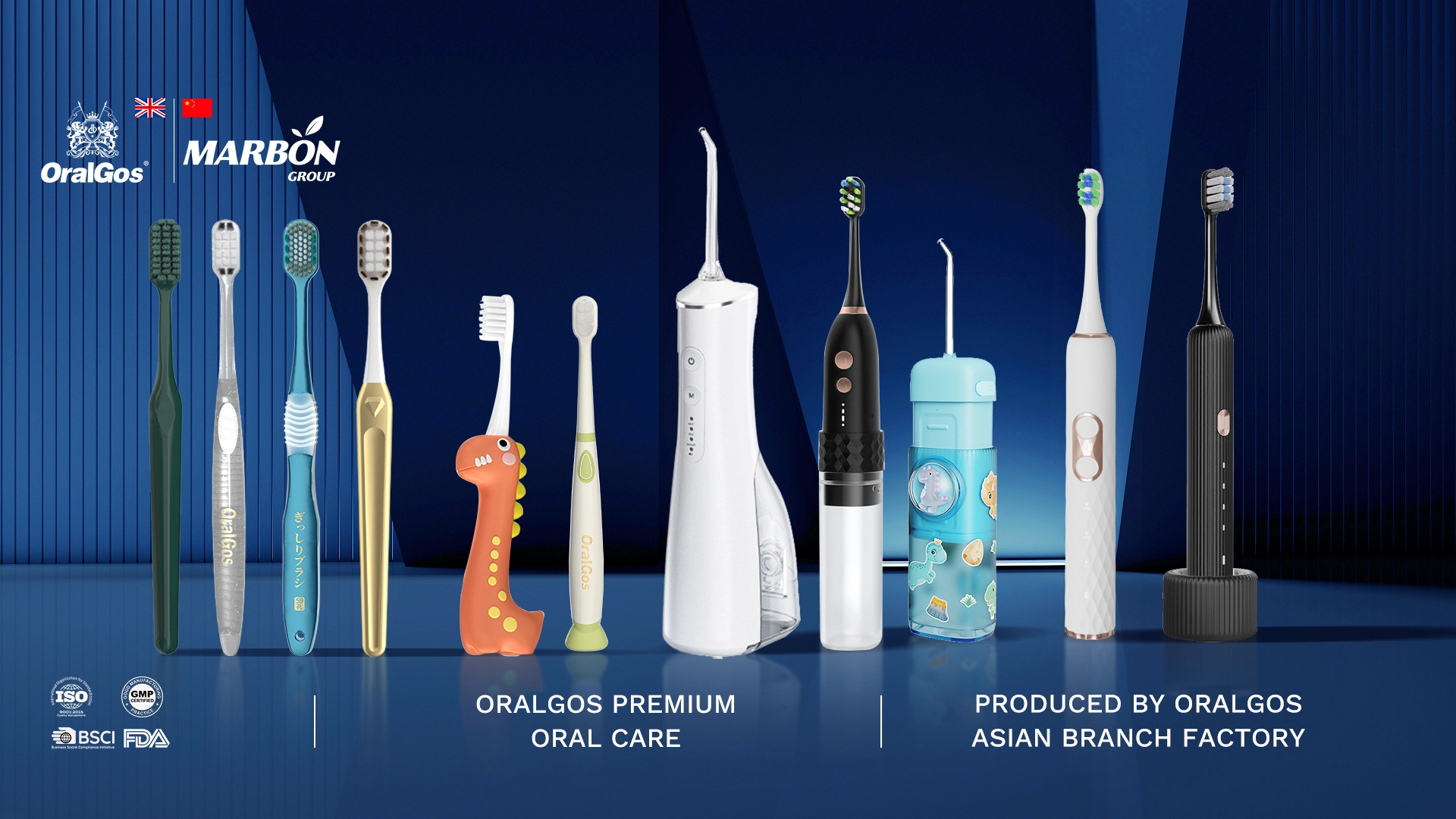
Mechanical trauma from stiff toothbrushes is incredibly destructive to the gums. Switching to ultra-soft PBT or nylon multi-level bristles ensures effective plaque removal without abrading the gingival tissue. You can explore a specialized manual toothbrush designed with gentle micro-bristles to safeguard your gumline. Or, transition to a smart electric toothbrush with built-in pressure sensors that actively prevent aggressive scrubbing.
2. Optimize Interdental Cleaning for Receding Gums
Plaque buildup between your teeth triggers the localized inflammation responsible for recession. Traditional flossing is vital, but a high-performance water flosser takes your routine further. It gently flushes out harmful bacteria from deep pockets below the gumline without causing friction.
3. Maintain Regular Dental Visits to Monitor Your Gum Line
The American Dental Association recommends regular cleanings and checkups. These visits catch early signs of gum disease before permanent damage happens.
Final Thoughts on Reversing and Preventing Receding Gums
While the definitive scientific answer to whether can receding gums grow back is no, you are far from helpless. A gentle oral hygiene routine and timely dental visits are key. Together, they will protect your smile, stop recession, and keep your mouth healthy for life.