Every single day, you rely on your toothbrush to keep your mouth fresh, your teeth bright, and your gums healthy. But have you ever paused to consider what might be living on the bristles of that trusty bathroom tool?
The unsettling reality is that your toothbrush can easily become a hotbed for bacteria, mold, and viruses if it isn’t cared for properly. From humid bathroom environments to airborne particles, micro-invaders are constantly looking for a place to settle down. Understanding how to clean a toothbrush and store it correctly is just as crucial as brushing twice a day.
Can Your Toothbrush Really Harbor Germs?
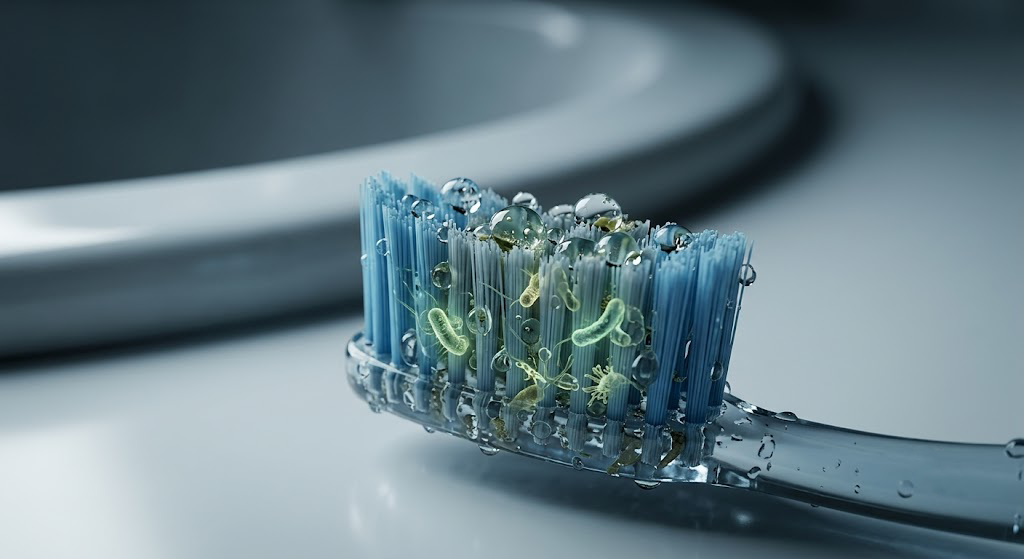
In short: yes, absolutely. Bathrooms are notoriously moist environments, which creates the ideal breeding ground for microscopic organisms. Every time you brush, your toothbrush picks up oral bacteria, food debris, and saliva. If left damp in an enclosed or contaminated space, those lingering microbes begin to multiply rapidly.
Storing your toothbrush near a toilet creates an extra risk. Flushing with the lid open produces a “toilet plume”—an invisible spray of aerosol particles that can easily land on your toothbrush bristles.
According to guidelines from the American Dental Association, while our immune systems successfully defend against most of these everyday microorganisms, improper hygiene can still expose you to unwanted pathogens, potentially leading to oral infections or illness.
How to Clean a Toothbrush: Best Daily Practices
Knowing how to clean a toothbrush effectively after every use doesn’t require complex chemical treatments or expensive UV sterilizers. In fact, simple daily habits make a world of difference.
1. How to Clean a Toothbrush Daily: Rinse Under Warm Water
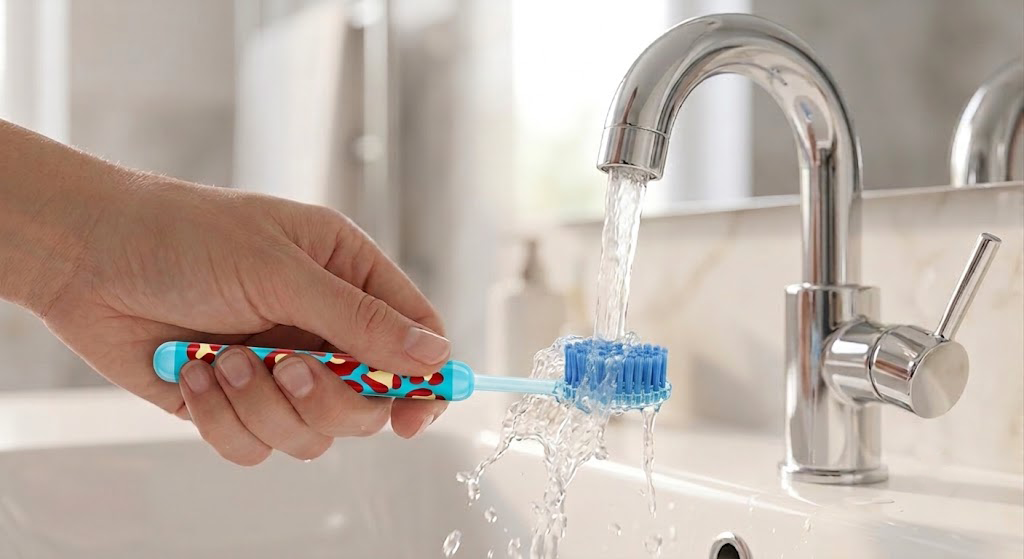
Immediately after brushing, run your brush under tap water for at least 15 to 20 seconds. Use your thumb to massage the bristles gently under running warm water to dislodge remaining toothpaste, food particles, and debris.
2. Disinfect and Clean a Toothbrush with Mouthwash
If you want an extra layer of protection, submerge the head of your brush in an antibacterial mouthwash or a 3% hydrogen peroxide solution for 3 to 5 minutes once a week. This easy step helps neutralize lingering germs. Avoid soaking it for longer periods, however, as harsh liquids can break down the bristle material over time.
3. Mistakes to Avoid When You Clean a Toothbrush
It might be tempting to toss your toothbrush into a dishwasher or microwave to blast away microbes with high heat, but doing so will melt or deform the bristles and plastic handle. Stick to gentle manual washing methods to keep your brush functional and safe.
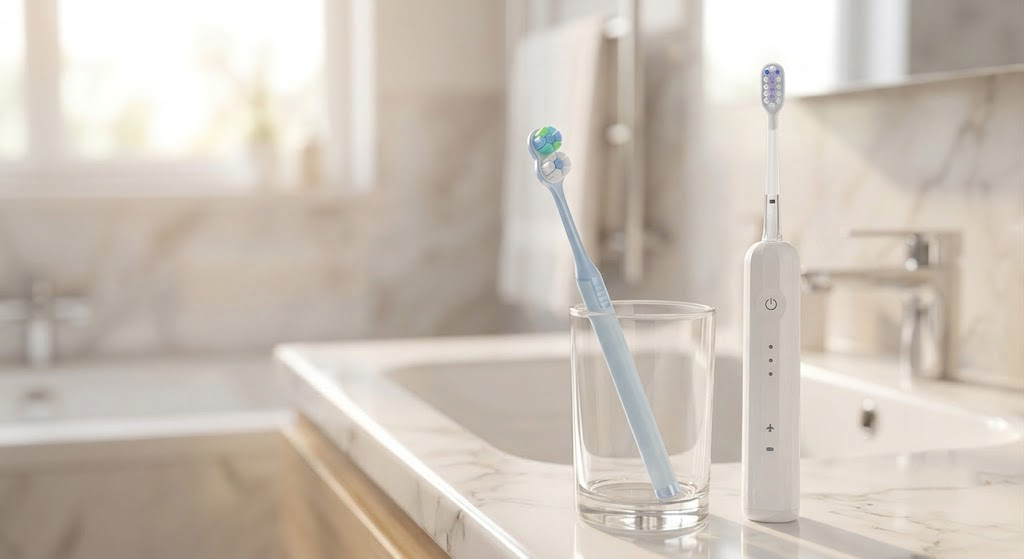
How to Store and Clean Your Toothbrush Correctly
Knowing how to clean a toothbrush is only half the battle; how you store it between uses determines whether bacteria will thrive or perish.
- Keep It Upright: Store your toothbrush standing vertically in a cup or holder so gravity can pull water down away from the brush head.
- Let It Air Dry: Bacteria love dark, moist environments. Always allow your brush to air dry completely in an open space.
- Ditch the Travel Covers at Home: Plastic caps and travel cases trap moisture and create a warm mini-greenhouse for mold and fungus. Save protective caps exclusively for dry travel.
- Maintain Space Between Brushes: If you share a bathroom with family members or flatmates, ensure the brush heads do not touch one another in the holder. Cross-contamination happens easily when bristles collide.
- Distance It from the Toilet: Store your toothbrush as far away from the toilet bowl as reasonably possible, and always close the toilet lid before flushing.
Whether you rely on a classic manual toothbrush or prefer the high-vibration cleaning power of an electric toothbrush, applying these storage rules will significantly reduce your exposure to harmful germs.
When Should You Replace Your Toothbrush?
Even if you follow every cleaning tip flawlessly, no toothbrush lasts forever. Over time, bristles fray, bend, and lose their structural integrity, making them less effective at scrubbing away plaque and more prone to trapping grime.
As a general rule, replace your toothbrush or electric brush head every 3 to 4 months. You should also toss your brush immediately after recovering from a viral or bacterial illness—such as the flu, strep throat, or a cold—to avoid re-infecting yourself.
Final Thoughts on Cleaning Your Toothbrush
A clean toothbrush is the foundation of a healthy oral hygiene routine. By learning how to clean a toothbrush properly, letting it air dry in an upright position, and swapping it out every few months, you can confidently protect your smile from unwanted bathroom germs. Make these quick adjustments today for a cleaner brush and a healthier mouth!