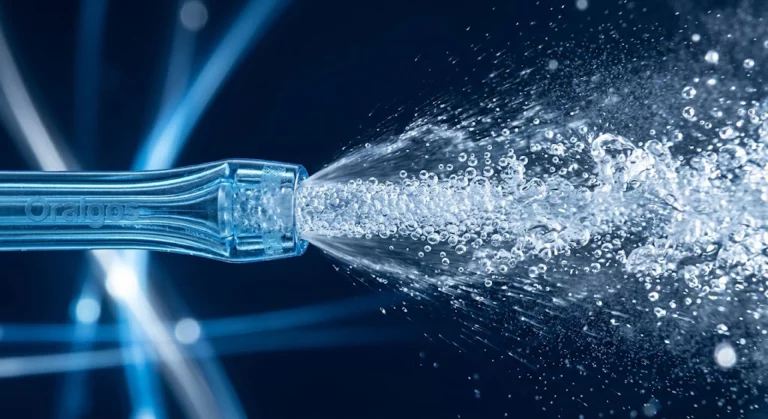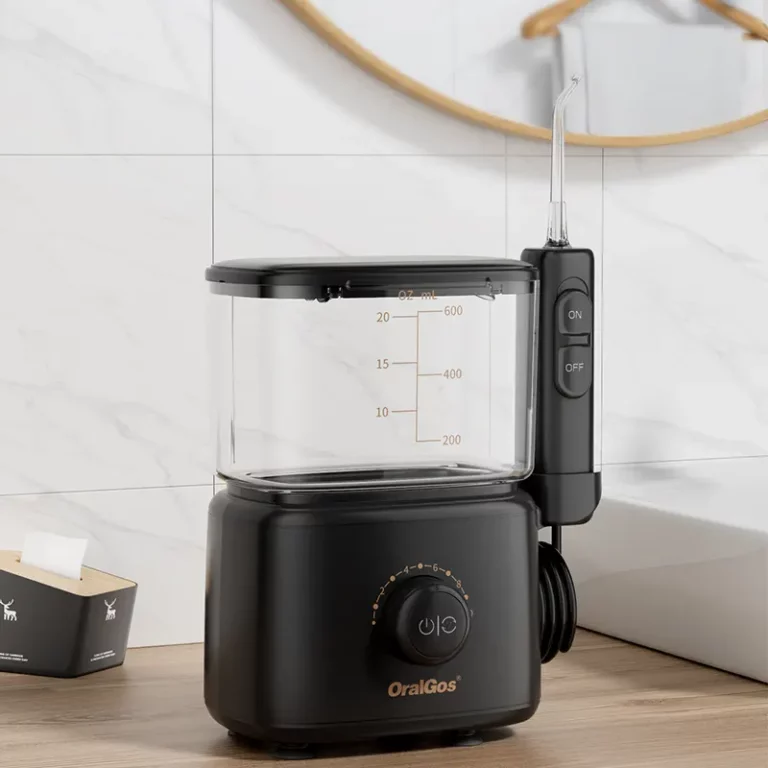
If you want to maintain optimal oral hygiene, many dentists recommend water flossers, but you might wonder: is it safe to use a water flosser every day? Using a targeted stream of pressurized water, these oral irrigators blast away food debris, plaque, and bacteria from areas your traditional toothbrush simply cannot reach.
However, with any powerful oral care tool, it is natural to ask about safety and proper frequency before adding it to your morning or evening habit. Could too much water pressure irritate your sensitive gums over time?
Let us dive into the dental science behind daily water flossing and explore the ideal habits for your oral routine.

Is It Safe to Use a Water Flosser Every Day?
The short answer is a resounding yes.
Dental professionals widely agree that it is safe to use a water flosser every day. In fact, incorporating an oral irrigator into your daily routine is not only safe—it is highly recommended for maintaining optimal gum health and preventing periodontal disease.
Unlike string floss, which can occasionally slice into sensitive gum tissue if used with too much force, water flossers use soft, pulsating water pressure. This gentle hydraulic force cleans below the gumline and between teeth without causing micro-abrasions to delicate tissue.
According to guidelines and studies referenced by the American Dental Association, oral irrigators that carry their Seal of Acceptance are proven both safe and effective at removing plaque and reducing gingivitis when used daily.
Benefits of Daily Water Flossing
Using a water flosser once or twice a day offers several key advantages over relying solely on traditional brushing:
- Superior Plaque Removal: Water pressure penetrates deep into interdental spaces and periodontal pockets.
- Gentle on Sensitive Gums: It cleans effectively without the snapping or scraping sensation of wax string.
- Ideal for Orthodontics: If you have braces, bridges, or dental implants, a water flosser easily navigates around wires and brackets where traditional floss frequently snags.
- Gums Massage: The pulsating action stimulates blood circulation in the gums, promoting faster healing and healthier tissue.
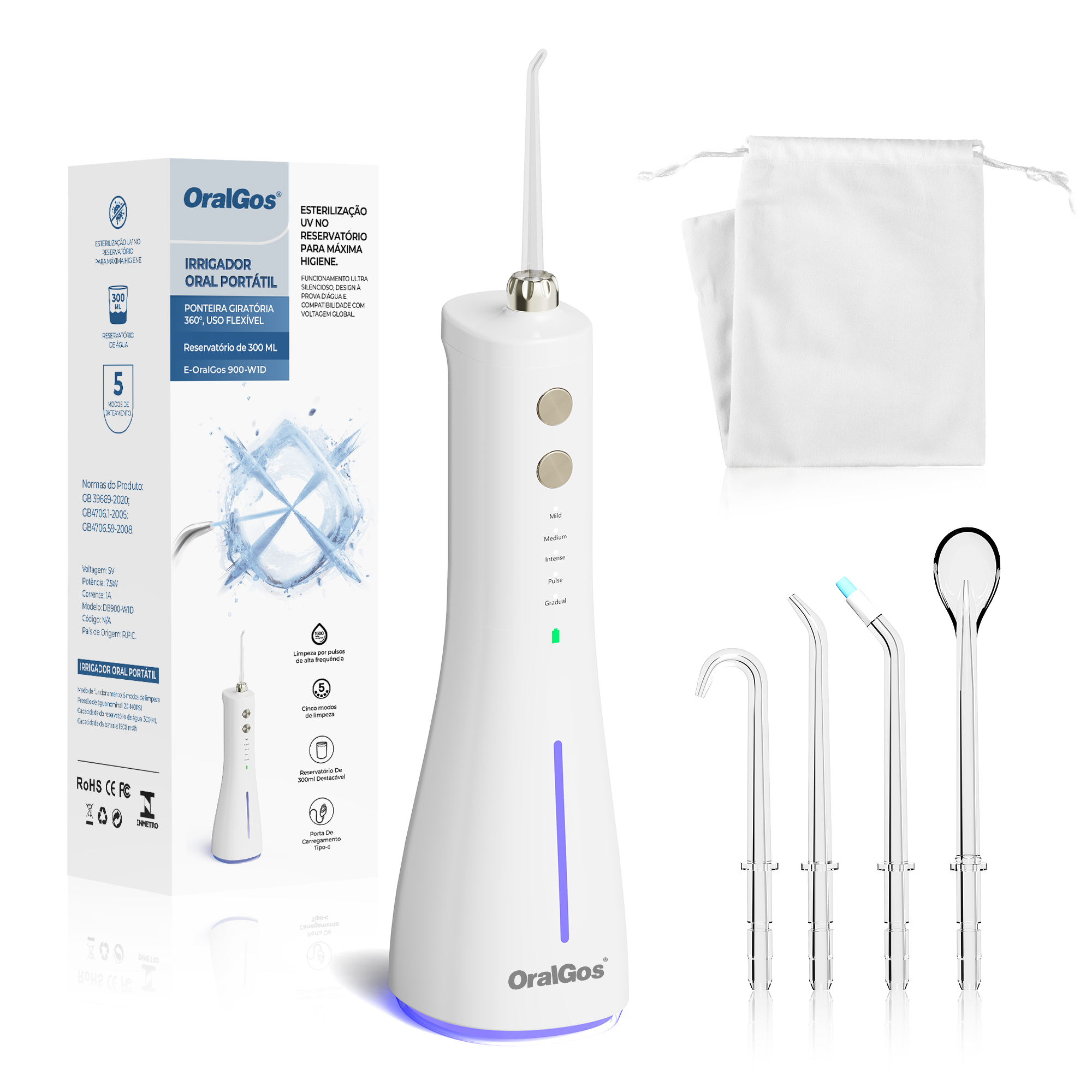
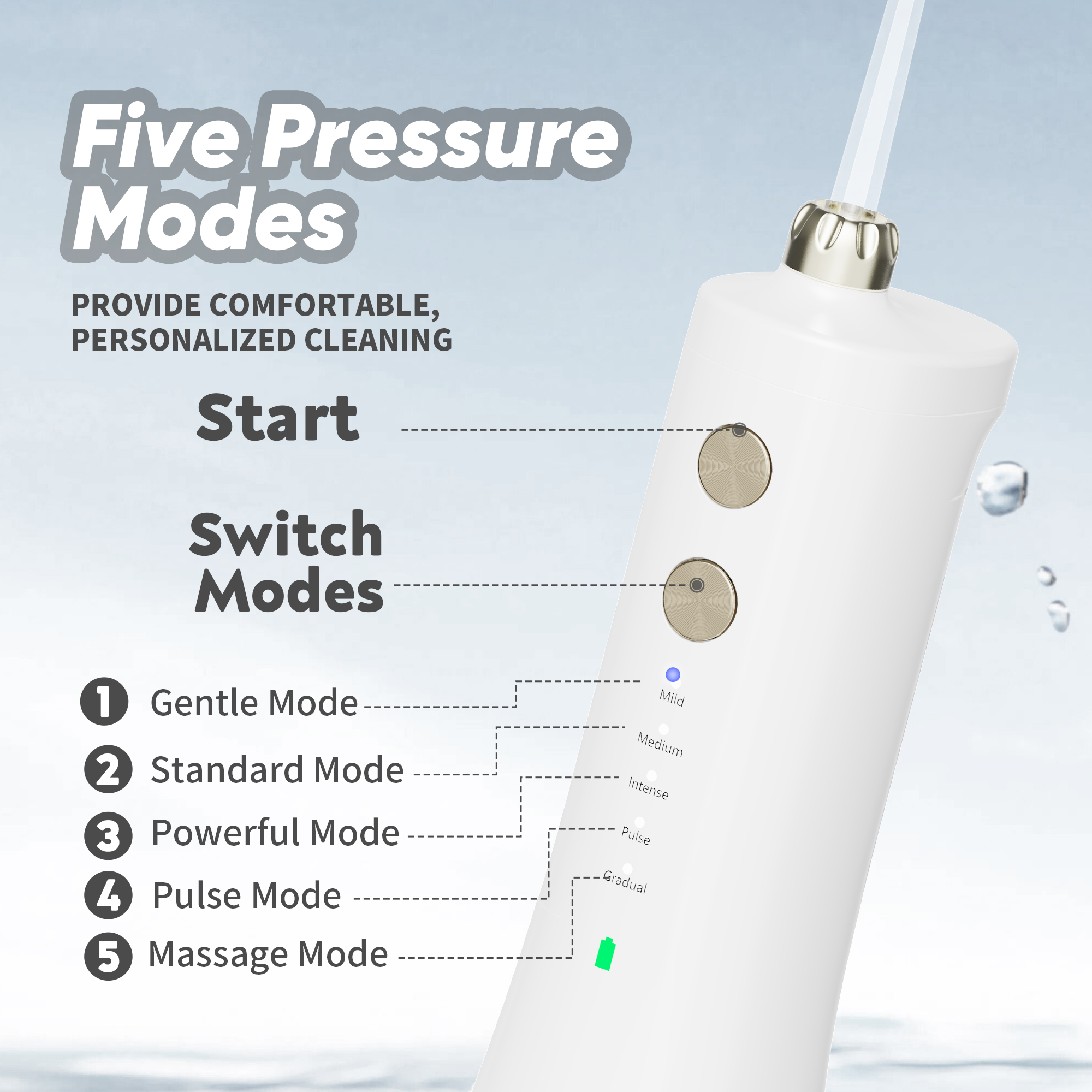
For those on the go or living in compact spaces, using a convenient device like a portable cordless water flosser makes sticking to a daily habit effortless.
How Often to Use Water Flosser for Best Results?
Now that we know daily use is safe, a common follow-up question arises: how often to use water flosser devices throughout the day?
1. Once a Day (The Recommended Standard)
For the vast majority of people, using a water flosser once per day is ideal. Most dentists recommend flossing at night before bedtime. Flossing before bed removes the day’s leftover food and bacteria. This stops plaque build-up overnight, when your mouth naturally produces less saliva.
2. Twice a Day (For Specific Dental Needs)
Can you use it more than once? Absolutely. Knowing how often to use water flosser units often depends on your personal oral health profile. You might benefit from twice-daily flossing (morning and night) if you:
- Wear traditional metal braces or clear aligners.
- Are currently treating active gingivitis or gum disease under dentist supervision.
- Have wider interdental gaps that easily trap food after meals.
Best Practices: How to Safely Use a Water Flosser Daily
While daily use is completely safe, using improper technique or excessive pressure can lead to temporary gum tenderness. Follow these practical tips to ensure a safe, comfortable clean every time:
Start on a Low Pressure Setting
If you are new to water flossing, always begin at the lowest pressure setting. Gradually increase the pressure over a week or two as your gums acclimate to the sensation.
Hold the Tip at a 90-Degree Angle
Lean over the sink, place the flosser tip in your mouth, and aim the stream at a 90-degree angle to your gumline. Follow the natural contour of your teeth, pausing briefly between each tooth.
Use Lukewarm Water
If you suffer from sensitive teeth or temperature-induced discomfort, fill the reservoir with lukewarm water rather than cold water for a much milder experience.
Can You Overuse a Water Flosser?
It is nearly impossible to “over-floss” with water in a way that damages teeth, as water stream pressure will not wear down tooth enamel.
However, using the highest pressure setting too often can irritate your gums and cause bleeding. This is especially true if you already have sensitive or inflamed gums. If you notice persistent bleeding after several days of daily use, lower the pressure setting and consult your dentist to rule out underlying periodontal conditions.
Summary: A Simple Way to Elevate Your Daily Care
So, is it safe to use a water flosser every day? Not only is it completely safe, but daily water flossing is one of the easiest, most efficient ways to protect your mouth against cavities, gum inflammation, and bad breath.
When considering how often to use water flosser tools, aiming for once a day before bed is the perfect baseline for a brighter, healthier smile. Combine your daily water flossing with twice-daily brushing and routine dental checkups, and your teeth will thank you for years to come!