Wisdom teeth, or third molars, typically emerge between the ages of 17 and 25. For many people, this rite of passage comes with significant discomfort. Third molars often grow in crooked, crowd adjacent teeth, or remain trapped under the gums. When this happens, wisdom teeth pain can easily disrupt your sleep, appetite, and daily routine.
Home remedies cannot fix structural problems like impacted teeth. However, they can give you fast, temporary relief until you see a dentist. Here is a comprehensive guide on how to manage your symptoms safely at home and when you should seek immediate care.

Effective Home Remedies for Wisdom Teeth Pain
When pain strikes suddenly, several simple, science-backed home treatments can help dull the ache and keep inflammation in check.
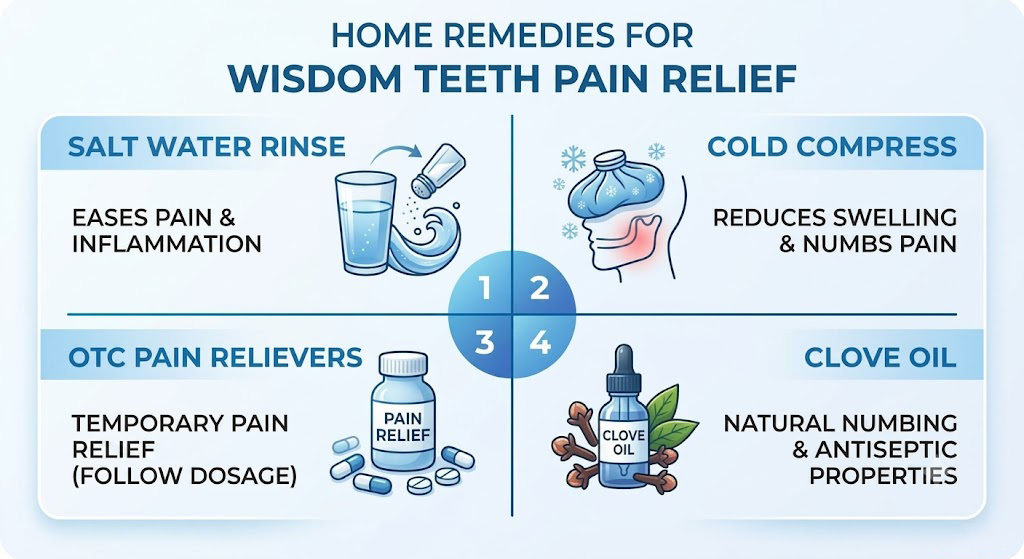
1. Warm Salt Water Rinse for Wisdom Tooth Pain
A warm salt water rinse is one of the easiest and most effective ways to treat localized mouth discomfort. Salt acts as a natural disinfectant, reducing bacteria and soothing inflamed gum tissue around erupting teeth.
- How to use: Dissolve half a teaspoon of salt in a glass of warm water. Gently rinse your mouth with the solution for 30 seconds before spitting it out. Repeat 3 to 4 times daily, especially after meals.
2. Cold Compress Therapy for Molar Pain
If jaw swelling or inflammation accompanies your pain, cold therapy works highly well. Applying a cold pack constricts blood vessels, reducing swelling and numbing the area.
- How to use: Always place a cloth layer, such as a towel, between the ice pack and your skin to prevent tissue damage. Place it against your cheek near the painful area for 15 to 20 minutes at a time.
3. Over-the-Counter Toothache Relievers
Nonsteroidal anti-inflammatory drugs (NSAIDs) like ibuprofen can help manage both pain and swelling. Acetaminophen is an alternative if you cannot take NSAIDs. Always follow the manufacturer’s dosage instructions on the packaging.
4. Clove Oil Application for Wisdom Teeth Pain Relief
Clove oil contains eugenol, an active compound with natural anesthetic and antibacterial properties. Dentists have used clove oil for centuries to naturally numb toothaches.
- How to use: Dilute a few drops of clove oil with a carrier oil (such as olive or coconut oil). Dab a small amount onto a cotton ball and gently apply it to the painful gum area for a few minutes.

Daily Hygiene: Preventing Secondary Wisdom Teeth Pain
Proper oral hygiene is essential when managing wisdom teeth pain. Food particles and plaque can easily collect around partially surfaced molars, leading to a painful gum infection called pericoronitis.
Keeping the farthest back of your mouth clean can be challenging because of limited space. Using specialized tools in your routine helps prevent bacteria buildup:
- Targeted Brushing: Standard toothbrush bristles often fail to reach tight spaces behind the second molars. A specialized interdental cone brush reaches tight crevices to remove trapped debris. It cleans around swollen gum flaps without irritating sensitive tissue.
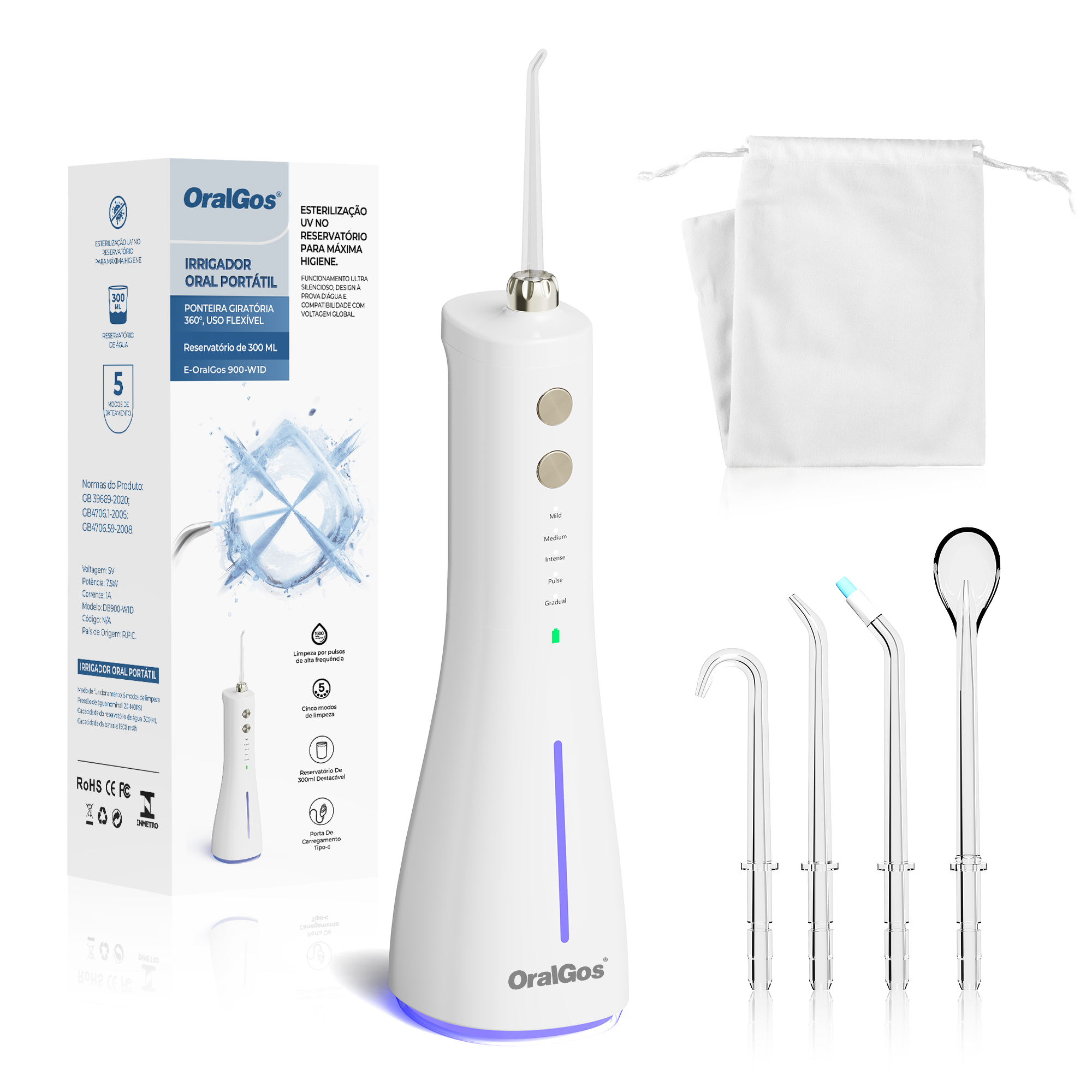
- Gentle Flossing: Flossing around tender, emerging teeth is essential. Traditional string floss can feel harsh or awkward in the back of your mouth. Instead, a gentle water flosser uses a soft stream of water to flush out stubborn food and bacteria.
Key Signs You Should See a Dentist Immediately
While home remedies help soothe pain, they are only a temporary fix. They cannot resolve deep issues like tooth impaction, infection, or structural damage. The American Dental Association recommends seeing a dentist for ongoing wisdom tooth pain. Getting an evaluation helps prevent serious issues like cysts or bone damage.
You should schedule an appointment with your dentist if you experience any of the following symptoms:
- Severe or Persistent Pain: Pain that lasts longer than a few days or worsens despite using home remedies.
- Visible Swelling or Difficulty Swallowing: Swelling in your face, jaw, or neck is a major warning sign. Along with difficulty opening your mouth or swallowing, these symptoms can indicate a spreading infection.
- Fever and Unpleasant Taste: A low-grade fever with pus or a foul taste in your mouth is a clear warning sign. These symptoms usually point to a bacterial infection known as pericoronitis.
- Crowding or Jaw Stiffness: Wisdom tooth pain often throbs and radiates to your temple, ear, or neck. You may also feel heavy pressure against neighboring teeth.
Final Thoughts
Experiencing wisdom teeth pain is a common issue, but you do not have to suffer through it blindly. Warm salt water rinses, cold therapy, and targeted cleaning tools can provide quick relief. Together, these simple habits reduce pain and keep harmful bacteria at bay.
Home care is only a temporary bridge to professional dental help. Schedule a visit with your dentist to see if your wisdom teeth need monitoring or extraction.