A bright, confident smile is one of the most sought-after aesthetic traits today. Online trends and DIY recipes make it hard to choose the right method. Fortunately, learning how to whiten teeth safely at home without damaging your enamel is simpler than you think.
Everyone wants a bright smile, but different whitening methods work through distinct physical and chemical ways. Broadly speaking, home whitening methods fall into two major categories: peroxide-based treatments and natural remedies. To choose the best method, you need to look at the science. Knowing the safety, effectiveness, and long-term impact of each option helps protect your teeth.

Tooth Discoloration: What to Know Before You Whiten Teeth
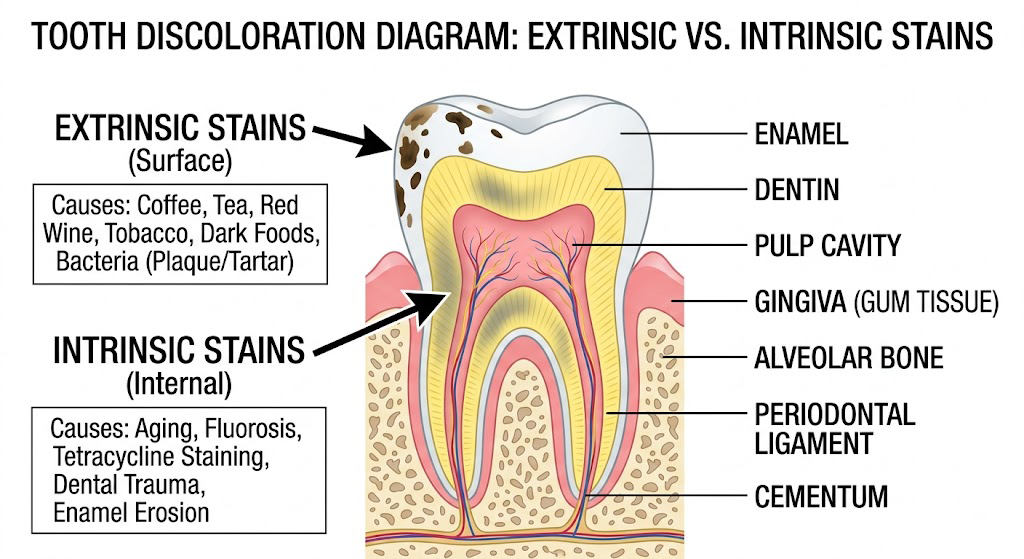
Before exploring how to whiten teeth, it is crucial to understand why teeth lose their brightness in the first place. Scientists divide tooth discoloration into two main types: extrinsic and intrinsic.
- Extrinsic Stains: These stains form on the outer enamel surface. They usually result from tobacco, poor plaque control, or dark drinks like coffee and red wine. You can easily manage surface stains at home. Simply brush with a high-quality manual toothbrush or an electric toothbrush and a gentle paste.
- Intrinsic Stains: These lie deeper within the dentin layer beneath the enamel. Intrinsic discoloration results from aging, fluorosis, childhood antibiotic exposure (such as tetracycline), or trauma. Treating intrinsic stains requires active chemical agents that can penetrate the enamel matrix.
Peroxide-Based Methods: How to Whiten Teeth with Science-Backed Chemistry
When clinical researchers evaluate how to whiten teeth effectively, peroxide compounds remain the gold standard. Most over-the-counter strips, gels, and trays use hydrogen peroxide or carbamide peroxide as their active ingredient.
How Peroxide Works to Whiten Teeth
Peroxide works through an oxidation process. Hydrogen peroxide passes through tiny pores in your enamel. It then reaches the discolored stain molecules inside the dentin.
Peroxide releases free radicals that break apart dark stain molecules. This converts them into smaller, lighter-colored compounds. Carbamide peroxide works similarly by breaking down into hydrogen peroxide and urea upon contact with saliva. A 10% concentration yields about 3.5% hydrogen peroxide.
Safety and Efficacy in Peroxide Teeth Whitening
The American Dental Association confirms that low-concentration peroxide treatments are safe and effective when used as directed. However, overuse or high concentrations can cause temporary side effects like tooth sensitivity and gum irritation. To reduce these risks, always follow product timing instructions strictly. Also, make sure your whitening trays fit properly so gel does not touch your gums.
How to Whiten Teeth Naturally: Separating Fact from Fiction
In recent years, natural DIY remedies have gained massive popularity. From activated charcoal to fruit scrubs, consumers often view these alternatives as gentler or safer. However, science tells a different story. Natural remedies are not always a reliable option for how to whiten teeth.
Can Baking Soda Safely Whiten Teeth?
Baking soda is a mild abrasive that physically removes surface stains. Studies show that toothpaste containing baking soda effectively lifts extrinsic discoloration without damaging enamel, due to its low Relative Dentin Abrasivity (RDA) score. Furthermore, its alkaline nature helps neutralize plaque acids in the mouth. While it cannot change the intrinsic color of dentin, it is a scientifically validated ingredient for surface maintenance.
Activated Charcoal and Oil Pulling for Teeth Whitening
- Activated Charcoal: Charcoal products claim to absorb toxins and stains. However, scientific literature warns that charcoal particles can be overly abrasive, leading to irreversible enamel wear, micro-scratching, and increased tooth sensitivity over time.
- Oil Pulling: An ancient Ayurvedic practice involving swishing oils (such as coconut or sesame oil) in the mouth. Coconut oil has antimicrobial properties that benefit oral hygiene. However, clinical studies show no evidence that oil pulling bleaches teeth or removes deep stains.
Fruit Acids and DIY Hacks: Do They Whiten Teeth Safely?
Rubbing strawberries or lemon juice on teeth is a common viral trend. Science strongly advises against this practice. The citric and malic acids in fruits erode tooth enamel, while the natural sugars feed cavity-causing bacteria. Acid erosion strips away enamel, exposing the naturally yellow dentin underneath, ultimately making teeth look darker over time.
Non-Invasive Daily Care and Color Correction
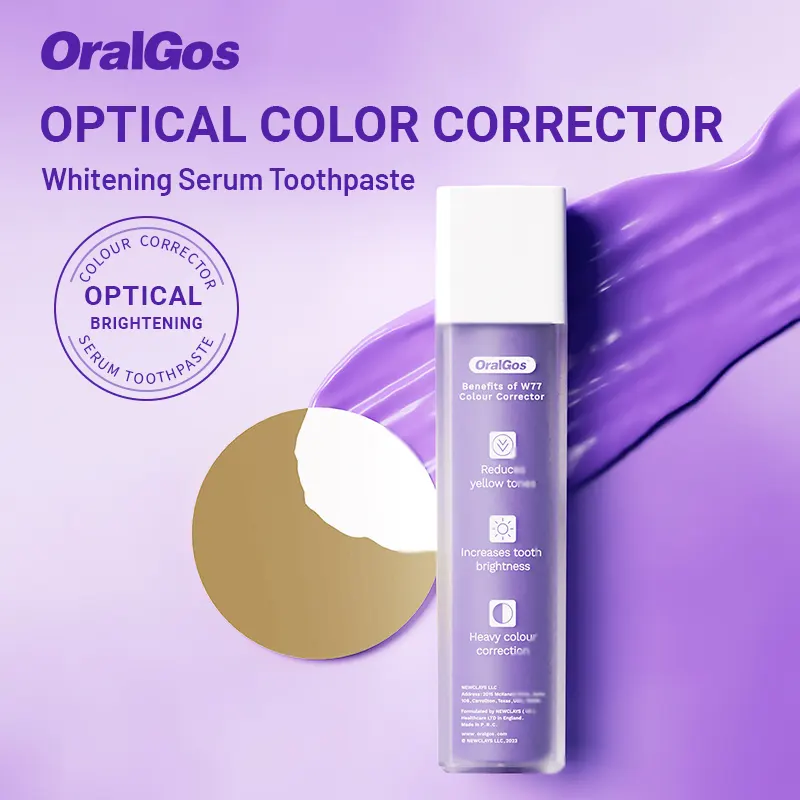
For individuals seeking immediate visual brightening or daily stain prevention without peroxide sensitivity, modern oral care has introduced innovative optical methods. Optical color correctors rely on basic color theory rather than bleaching. Because purple sits opposite yellow on the color wheel, it temporarily cancels out yellow surface tones.
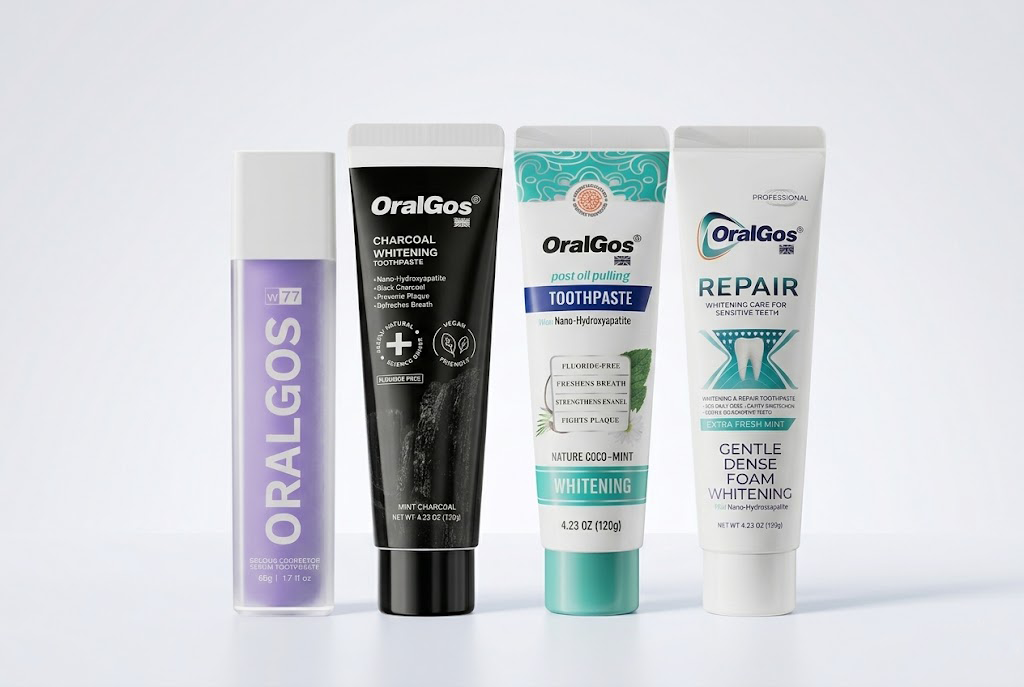
Integrating an effective daily toothpaste into your routine is essential for maintaining results post-whitening. Formulations like Oralgos Colour Corrector Toothpaste help cancel out yellow pigments. This gives an instant brightening boost while staying gentle on enamel and sensitive teeth.
Best Practices on How to Whiten Teeth Safely
To maximize your results while safeguarding your dental health, follow these evidence-based guidelines:
- Consult a Dentist First: Identify whether your discoloration is extrinsic or intrinsic before starting any regimen.
- Choose Approved Peroxide Products: Look for low-concentration peroxide systems certified by dental authorities.
- Avoid Highly Abrasive DIY Scrubs: Steer clear of raw charcoal or acidic fruit remedies that permanently strip enamel.
- Maintain Baseline Hygiene: Combine consistent brushing with color-correcting or whitening toothpaste to prevent stain buildup.
Achieving a brighter smile does not require risking your dental health. Understanding how to whiten teeth through a scientific lens allows you to balance efficacy with safety. You can use peroxide for deep stains or color correctors for daily care. Either way, protecting your enamel keeps your smile bright and healthy for years to come.