In recent years, the global personal care market has witnessed a massive shift toward natural, clean-label products. Among these innovations, oral care items have seen significant transformations. Consumers are taking a closer look at the ingredients in their daily personal care products. As a result, more people are asking why fluoride-free toothpaste is gaining popularity today.
While conventional dental care relies heavily on traditional minerals, modern wellness trends prioritize alternative ingredients, biocompatible formulas, and customized routine choices. Understanding the drivers behind this movement helps consumers make informed decisions for their daily brushing routines.
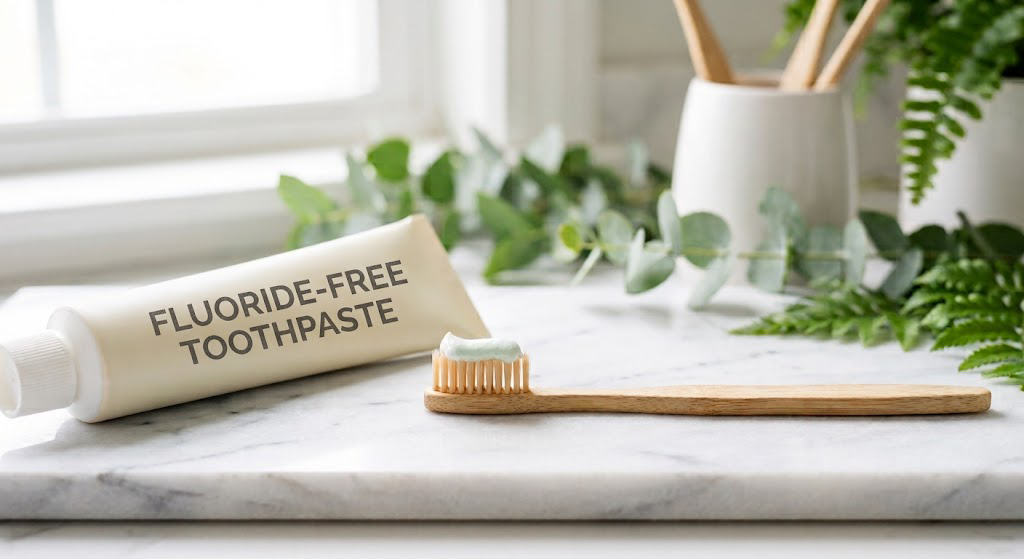
Understanding Fluoride-Free Toothpaste and Its Appeal
To understand the shift, it is essential to look at what fluoride-free toothpaste actually contains. Traditional toothpaste relies on sodium fluoride or stannous fluoride to remineralize enamel. In contrast, natural formulas swap fluoride for gentle, active ingredients. These alternatives clean teeth and freshen breath while helping balance the oral microbiome.
Key Ingredients in Fluoride-Free Toothpaste Formulations
Modern alternatives do not simply remove an ingredient; they replace it with active, non-toxic substances. Common ingredients found in high-quality natural formulas include:
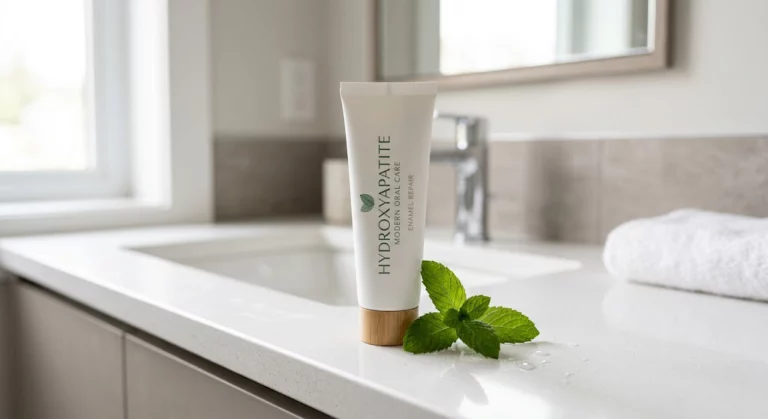
- Nano-Hydroxyapatite (n-HAp): A biocompatible mineral that naturally makes up 97% of tooth enamel. It helps smooth surface micro-fissures and reduces sensitivity without synthetic additives.
- Xylitol: A plant-derived sugar alcohol that inhibits plaque-causing bacteria from adhering to tooth surfaces.
- Calcium Carbonate & Silica: Mild abrasives that gently scrub away surface stains without damaging delicate enamel or irritating gums.
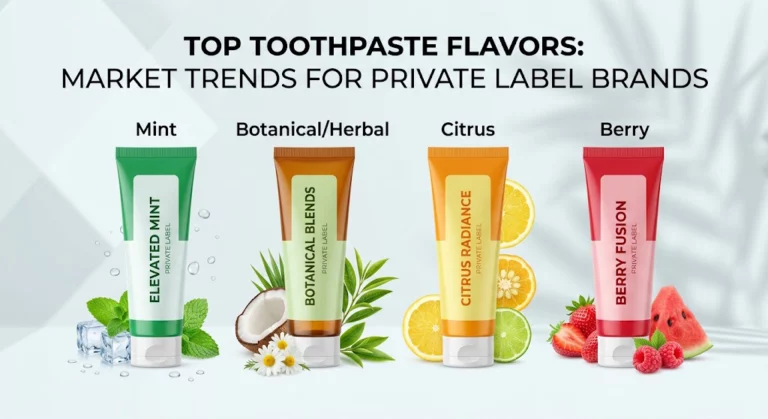
- Essential Oils & Botanical Extracts: Natural ingredients like peppermint, tea tree oil, and coconut oil provide antimicrobial properties while keeping breath naturally fresh.
By focusing on safe, effective ingredients, consumers can maintain clean teeth while avoiding unnecessary chemical exposure. Explore our full range of advanced toothpastes to find gentle, effective solutions for your daily oral care routine.


Primary Reasons Why Fluoride-Free Toothpaste is Growing in Demand
Several key health, lifestyle, and environmental factors explain why fluoride-free toothpaste is becoming a staple in modern bathrooms.
1. Concerns Over Dental Fluorosis and Over-Exposure
Organizations like the American Dental Association support traditional toothpaste, but swallowing too much fluoride causes health concerns. In young children, swallowing too much fluoride can lead to dental fluorosis. This condition causes faint white lines or stains on growing teeth. To eliminate these ingestion risks, many parents are switching to natural alternatives.
2. Preference for Clean-Beauty and Non-Toxic Lifestyles
The rise of “clean beauty” has transformed personal care standards. Modern consumers pay close attention to ingredient lists, actively avoiding artificial colors, sodium lauryl sulfate (SLS), parabens, and synthetic preservers. Choosing a fluoride-free toothpaste fits naturally into a clean, low-tox lifestyle. It allows consumers to focus on simple, plant- and mineral-based solutions.
3. Gentle Care for Sensitive Oral Mucosa
For individuals suffering from recurrent mouth ulcers, sensitive gums, or perioral dermatitis, conventional toothpaste additives can cause irritation. Natural formulas tend to omit harsh foaming agents, artificial sweeteners, and heavy mineral compounds, delivering a soothing, non-irritating cleaning experience.
4. Innovation in Biomimetic Mineral Alternatives
Historically, skipping traditional mineral additives meant compromising on enamel strength. However, breakthroughs in biomimetic science have changed the landscape. Ingredients like nano-hydroxyapatite bond directly with natural tooth structures to strengthen enamel. As a result, alternative toothpastes are now more effective than ever.
How to Choose the Right Fluoride-Free Toothpaste for Your Routine
Switching to a new oral hygiene routine requires evaluating individual dental needs. When selecting the ideal product, consider the following practical guidelines:
- Identify Specific Dental Goals: If your primary concern is enamel sensitivity, look for formulas rich in nano-hydroxyapatite or calcium compounds. For stain removal, choose options with gentle hydrated silica or baking soda.
- Check for SLS and Harsh Abrasives: Ensure the product avoids sodium lauryl sulfate if you are prone to tissue dry-mouth or aphthous ulcers.
- Verify Flavor and Taste Sources: Choose products flavored with natural essential oils rather than artificial chemical sweeteners.
No matter which toothpaste you prefer, good dental health relies on basic habits. Brushing properly, flossing daily, and visiting your dentist regularly remain the true foundations of a healthy smile.
The Future of Natural Oral Care
The rise of natural personal care shows that alternative toothpastes are not just a passing trend. Instead, they reflect a permanent shift toward healthier, more conscious buying choices. As ingredient technology improves, fluoride-free formulas are getting smarter. Today’s options give consumers safe, effective, and personalized choices for their daily routines.
Choosing the right product makes it easy to build a healthy routine. It gives you full control over your daily care while matching your personal values.