Having a permanent tooth suddenly knocked out from a sports impact, fall, or accident is an alarming experience. A knocked-out tooth, clinically known as dental avulsion, is a true emergency where every minute counts. Knowing how to handle a knocked-out tooth within 60 minutes can save your natural smile.
Knocking out an adult tooth tears the delicate periodontal ligament fibers attached to the root. These living cells can survive briefly if kept moist and protected from physical trauma. Follow this first aid guide to ensure the highest chance of successful re-implantation.
Immediate Steps: How to Handle a Knocked-Out Tooth
The moments directly following facial trauma can feel overwhelming, but calm, systematic action is essential.
How to Handle a Knocked-Out Tooth Root Without Causing Damage
The most critical rule in dental trauma first aid concerns physical contact: never touch the root of the tooth. The root contains living periodontal cells essential for reattachment to the alveolar bone.
- Pick it up by the crown only: Grasp only the smooth chewing surface (the white enamel crown).
- Rinse gently if soiled: If the tooth is dirty, rinse it gently with cold water or saline for under ten seconds.
- Never scrub or sterilize: Never scrape the root surface, and avoid applying soap, rubbing alcohol, or disinfectants. Avoid wrapping the tooth in dry tissue or gauze, which rapidly dehydrates the sensitive root cells. Wiping the root strips away viable tissue and prevents the tooth from reattaching.
When assisting an injured person on how to handle a knocked-out tooth, treat the dislodged tooth like a delicate living graft.
Reinserting a Knocked-Out Tooth (Step-by-Step)
For adult teeth, the safest storage medium is often its own socket. If the patient is alert and cooperative:
- Rinse briefly with saline or cold water if dirty, holding solely by the crown.
- Position correctly by observing the alignment of adjacent teeth.
- Carefully reinsert the tooth into its socket. Use light finger pressure to seat it level with neighboring teeth.
- Hold it steady: Have the patient bite down gently on a clean handkerchief, gauze pad, or moist paper towel to secure it during transit.
Important Note: Do not attempt to reinsert a primary (baby) tooth. Doing so can fuse with the jawbone or damage the developing adult tooth bud underneath. If you are unsure whether the tooth is permanent, store it safely and consult a dentist immediately.
Safe Storage: How to Handle a Knocked-Out Tooth in Transit
If reinsertion is impossible, keep the tooth hydrated immediately. Swelling, bone fractures, or choking risks may prevent safe placement. Cellular dehydration destroys periodontal ligament cells within minutes.
According to trauma protocols from the American Dental Association, preserving cell viability during transit is vital. Recommended storage solutions include:
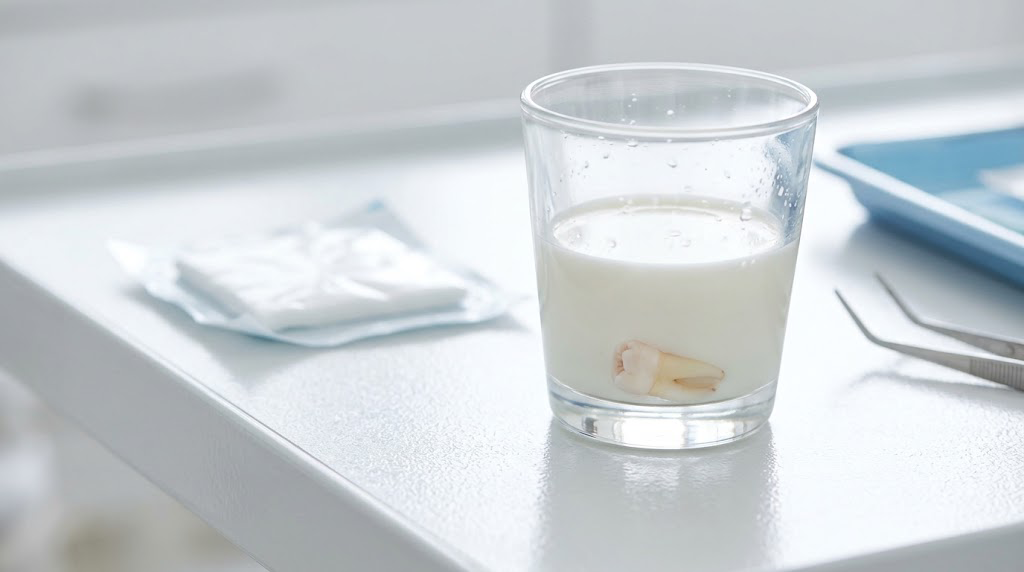
- Cold Whole Milk: Milk offers an ideal pH balance, osmolarity, and essential nutrients that nourish root cells for hours.
- Balanced Salt Solution (Save-A-Tooth kit): School nurse stations and athletic kits often stock this fluid to keep root cells alive.
- Saliva: If milk is unavailable, the patient can hold the tooth inside their cheek. Only do this if they are calm and unlikely to swallow it. Alternatively, spit into a clean cup and submerge the tooth.
- Avoid Plain Water: Avoid submerging the tooth in tap water. Water is hypotonic and causes root cells to swell and burst.
Professional Treatment for a Knocked-Out Tooth
Proceed immediately to an emergency dental clinic. Re-implantation within 30 to 60 minutes yields the highest clinical success rates.
At the clinic, the dentist will:
- Take X-rays to check for alveolar bone fractures.
- Irrigate the socket gently to remove clots or foreign particles.
- Reposition the tooth under local anesthesia.
- Secure the tooth using a flexible composite splint attached to adjacent teeth for 1 to 2 weeks.
- Evaluate tetanus immunization status and prescribe systemic antibiotics.
Most permanent teeth require a root canal within 7 to 14 days. This is because the severed blood supply cannot heal on its own.
Recovery and Post-Trauma Oral Hygiene
Good aftercare protects healing gums and prevents infections from damaging the tooth root.
Protecting Sensitive Gums During Recovery
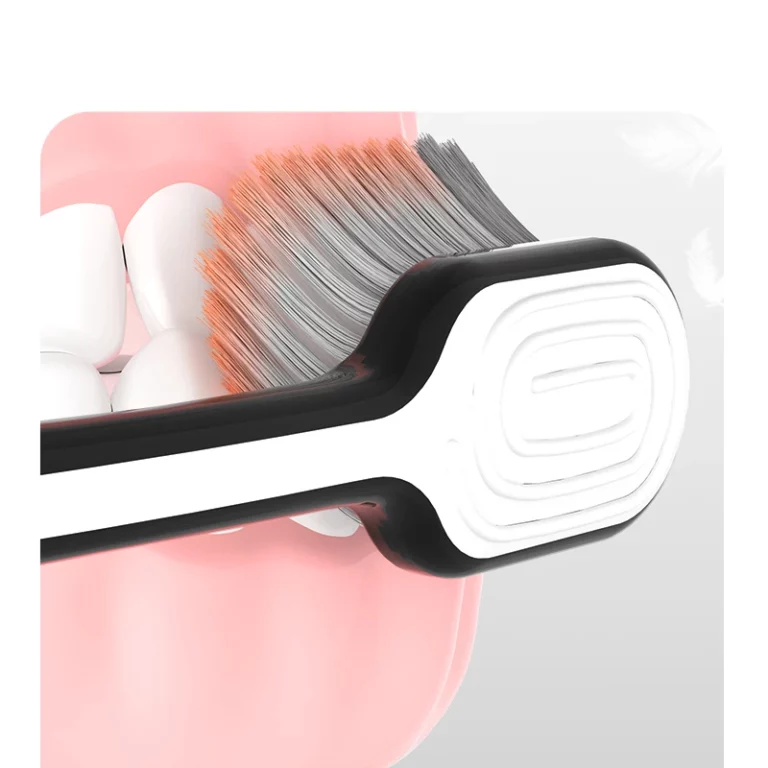
During healing, keeping the area clean is crucial to prevent plaque-induced gingivitis around the splint. However, aggressive brushing with hard bristles can dislodge the stabilizing splint and damage tender gums.
Dentists recommend using an ultra-soft brush, such as the Sweetrip 10,000 Bristle Ultra Soft Toothbrush. It clears away plaque gently without irritating tender, healing gums.
Additional recovery precautions include:
- Sticking to a soft-food diet for two weeks.
- Rinsing gently with a prescribed chlorhexidine antibacterial rinse.
- Avoiding contact sports until your dentist confirms stability.
Knowing how to handle a knocked-out tooth turns a sudden, stressful emergency into a manageable event. You can save your natural tooth by acting quickly, keeping it moist, and seeing an emergency dentist immediately.