
Maintaining optimal oral health becomes more challenging when your gums are sensitive. Using the wrong toothbrush can exacerbate discomfort, cause bleeding, and lead to long-term gum issues. Selecting the best toothbrush for sensitive gums is essential for effective cleaning while protecting delicate gum tissue. This guide will explore key features, types, and tips to help you make an informed choice.
Why Choosing the Right Toothbrush for Sensitive Gums Matters
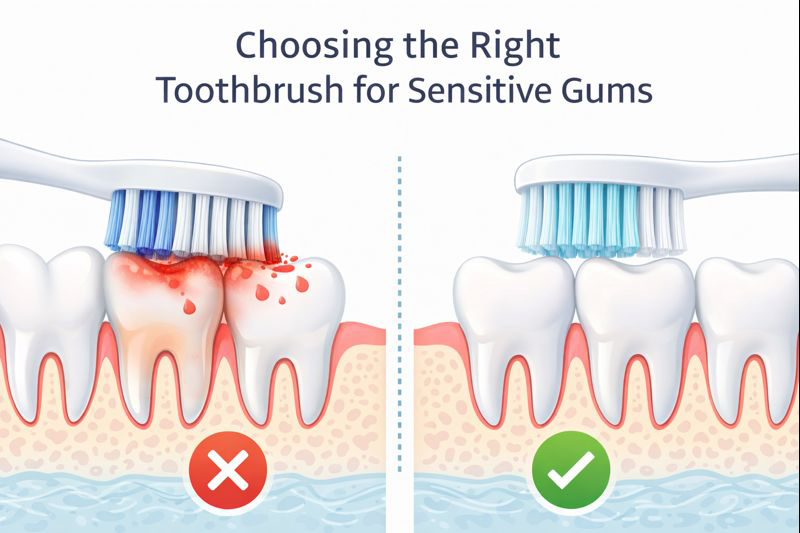
Gum sensitivity is a common issue caused by factors like gum recession, aggressive brushing, or underlying dental conditions. A toothbrush designed for sensitive gums can minimize irritation, reduce bleeding, and improve overall oral hygiene. According to the American Dental Association, selecting the right toothbrush helps prevent gum disease and supports overall oral health.
Selecting the right toothbrush is not just about comfort—it’s about protecting your gums while effectively removing plaque. Many toothbrushes marketed for sensitive gums include features that help maintain a gentle yet thorough cleaning routine.
Key Features to Look for in a Toothbrush for Sensitive Gums
Soft Bristles
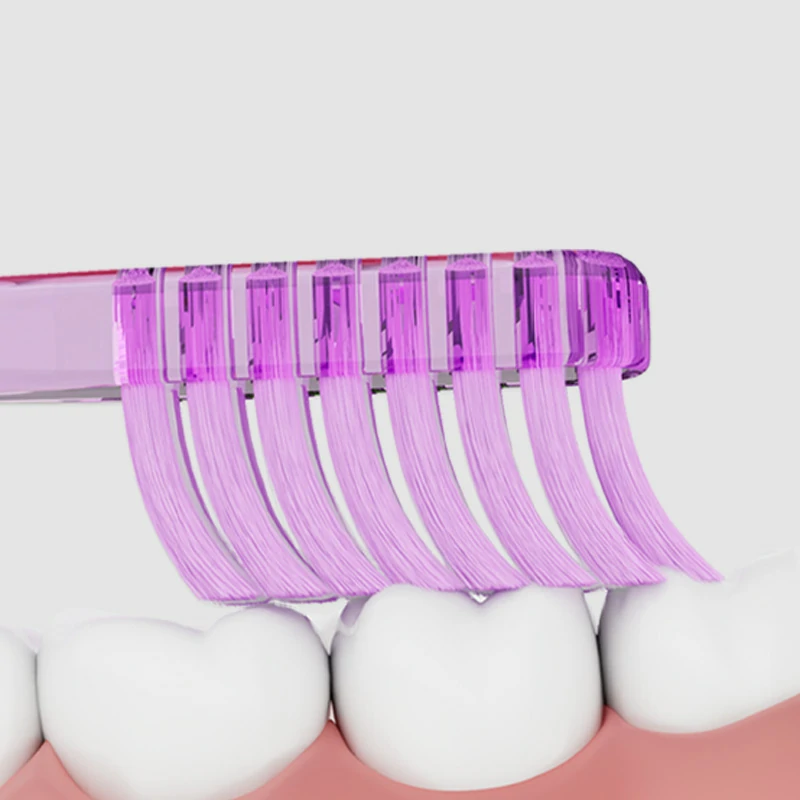
The most important feature is soft or ultra-soft bristles. Hard bristles can cause abrasions and worsen sensitivity. Soft bristles conform to gum contours, providing gentle cleaning while preventing damage. Tapered bristles are ideal because they reach tight spaces between teeth and along the gum line while protecting sensitive gums.

Ergonomic Handle Design
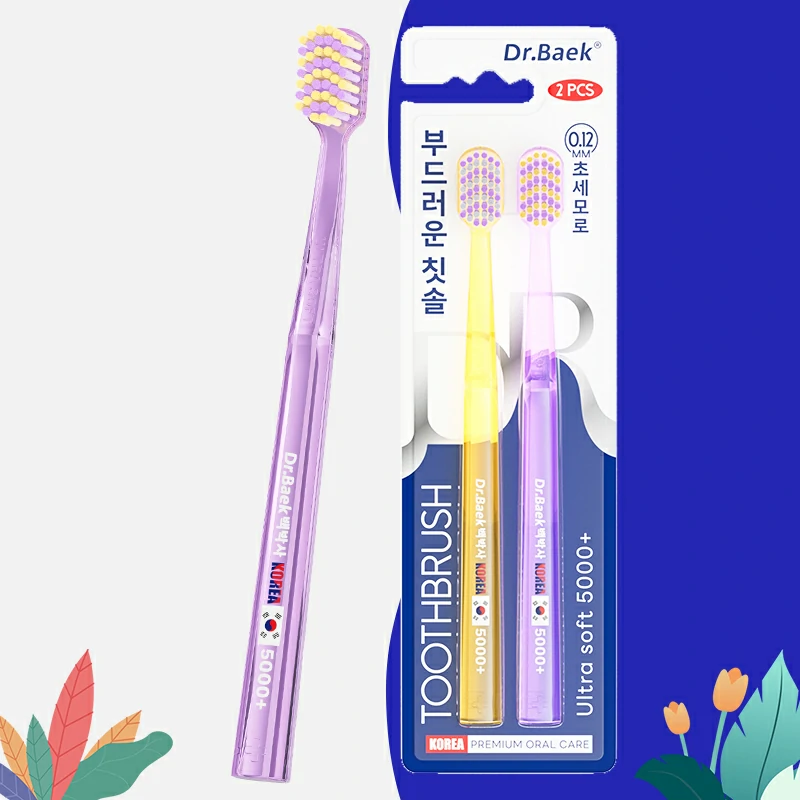
Comfortable handling is vital. An ergonomic toothbrush handle with a non-slip grip ensures controlled brushing pressure. This prevents accidental scrubbing, which is a common cause of gum irritation. Handles with curved or contoured designs allow better access to hard-to-reach areas, making brushing more effective.
Brush Head Size
A small or medium brush head is recommended for sensitive gums. A compact brush head allows precise cleaning, especially along the gum line and behind molars. Large brush heads can be hard to control and may put too much pressure on sensitive gums.
Manual vs. Electric Toothbrush for Sensitive Gums
Both manual and electric toothbrushes are suitable for sensitive gums, but they offer different advantages.
Manual Toothbrush for Sensitive Gums
Manual toothbrushes provide control over brushing pressure, which is helpful for people with extreme sensitivity. Look for manual brushes specifically labeled for sensitive gums. Explore options on Oralgos Manual Toothbrushes to find soft-bristled designs tailored for gentle cleaning.
Electric Toothbrush for Sensitive Gums
Electric toothbrushes, especially those with oscillating or sonic technology, can improve plaque removal with minimal effort. Many electric models feature pressure sensors to alert you if you are brushing too hard, protecting sensitive gum tissue. Visit Oralgos Electric Toothbrushes for models designed with sensitive gums in mind.
Additional Features for Enhanced Gum Care
- Angled Bristles: Some toothbrushes for sensitive gums feature angled bristles. These bristles reach deep between teeth for thorough cleaning without harsh scrubbing.
- Gentle Vibration Modes: For electric toothbrushes, select models with multiple speed settings. Gentle vibration modes help reduce stress on sensitive gums.
- Indicator Bristles: Bristles that fade over time indicate when it’s time to replace the toothbrush. This helps maintain hygiene and protect your gums.
Brushing Tips for Sensitive Gums
Even the best toothbrush can cause discomfort if used incorrectly. Follow these tips:
- Use Gentle Pressure: Press lightly along the gum line to avoid irritation.
- Follow Proper Technique: Angle the brush at 45 degrees and use small circular motions.
- Replace Your Toothbrush Regularly: Replace your toothbrush or brush head every 3 months or when bristles fray.
- Combine with Proper Oral Care Products: Use a gentle toothpaste designed for sensitive gums along with your toothbrush. This helps reduce inflammation and bleeding.
Conclusion
To care for sensitive gums, select a toothbrush with suitable features and follow proper brushing habits. Soft bristles, ergonomic handles, and the right brush head size are essential. Both electric and manual toothbrushes offer their own benefits. By combining a carefully chosen toothbrush with proper brushing techniques, you can maintain healthy teeth and gums without discomfort.
For more guidance, check resources from the American Dental Association. You can also explore a variety of manual and electric toothbrushes made for sensitive gums. With the right tools and care, sensitive gums no longer need to compromise your oral health.