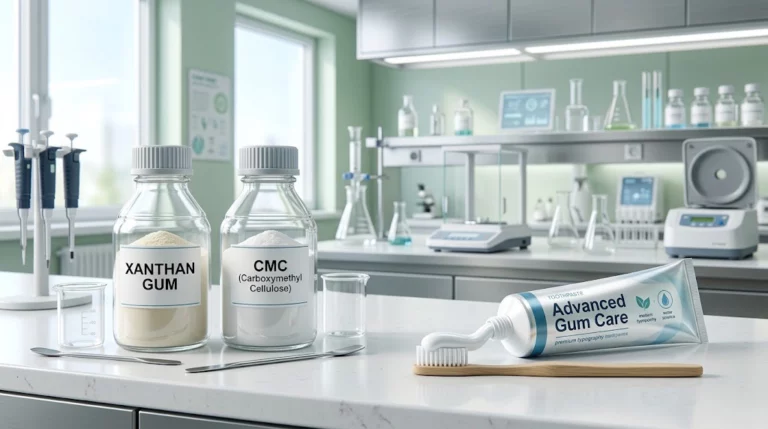
Choosing the right toothbrush technology has become increasingly important as oral care innovation advances. Dental professionals and consumers commonly compare ultrasonic electric toothbrushes and sonic toothbrushes in modern dental care. While both aim to improve brushing efficiency and gum health, their cleaning mechanisms and user experience are significantly different.
In this article, we break down how each technology works, the benefits of each, and which option may be best for different users.
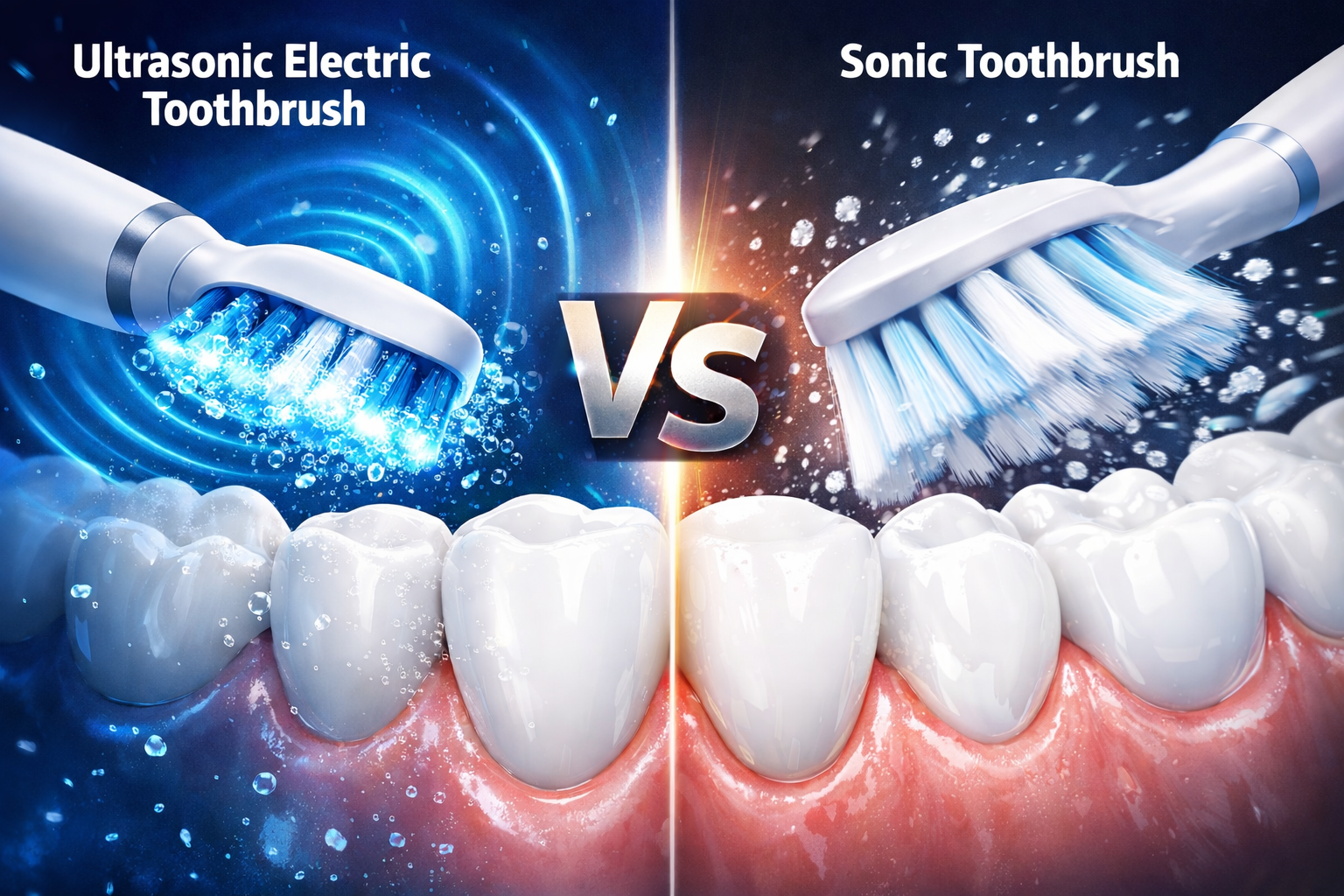
Ultrasonic Electric Toothbrush vs Sonic Toothbrush: How They Work
An ultrasonic electric toothbrush uses high-frequency sound waves, often reaching up to millions of vibrations per minute. These ultrasonic waves generate microscopic bubbles in the mixture of toothpaste and saliva. These bubbles help disrupt plaque, even in hard-to-reach areas, without requiring strong manual brushing.
In contrast, a sonic toothbrush works through rapid mechanical movements of its bristles. It typically delivers 20,000 to 40,000 strokes per minute. The cleaning effect comes from both direct contact and fluid dynamics. These mechanisms help remove surface plaque and stimulate the gums.
Although both technologies are effective, they work in different ways. The ultrasonic electric toothbrush focuses more on non-contact cleaning support. Sonic toothbrushes rely more on physical brushing action.
Cleaning Performance and Plaque Removal
When comparing cleaning efficiency, both tools deliver strong results, but in different ways. Studies referenced by the American Dental Association suggest that powered toothbrushes are generally more effective at reducing plaque and gingivitis than manual brushing.
Many experts consider the ultrasonic electric toothbrush more advanced in theory. This is because it can break up biofilm at a microscopic level. This makes it especially appealing for users with sensitive gums, braces, or orthodontic appliances.
However, sonic toothbrushes still perform strongly in everyday oral hygiene routines. Their high-speed bristle movement provides a familiar brushing sensation while still enhancing cleaning efficiency compared to manual toothbrushes.
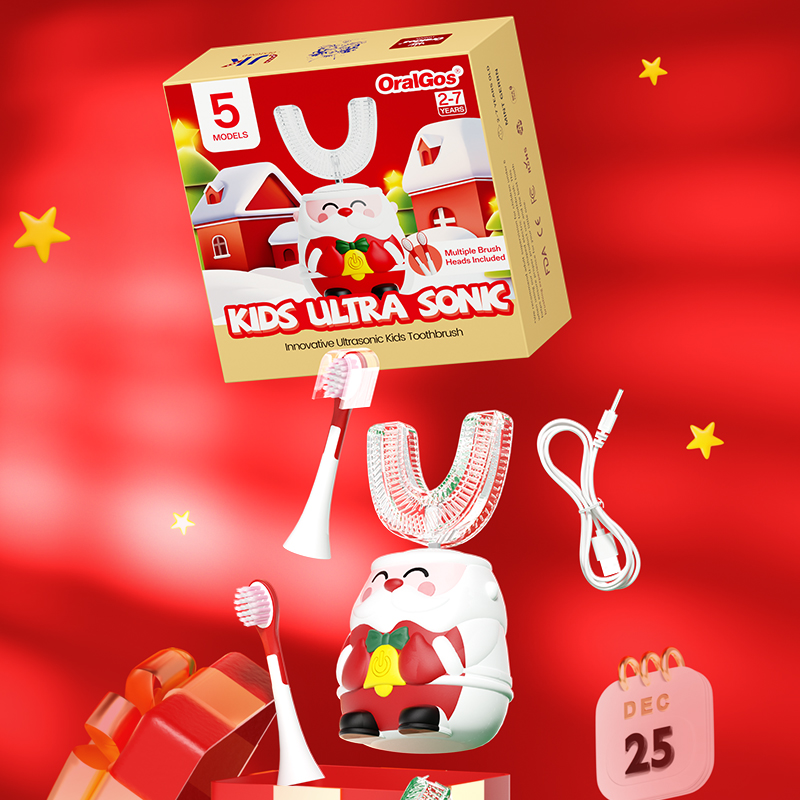
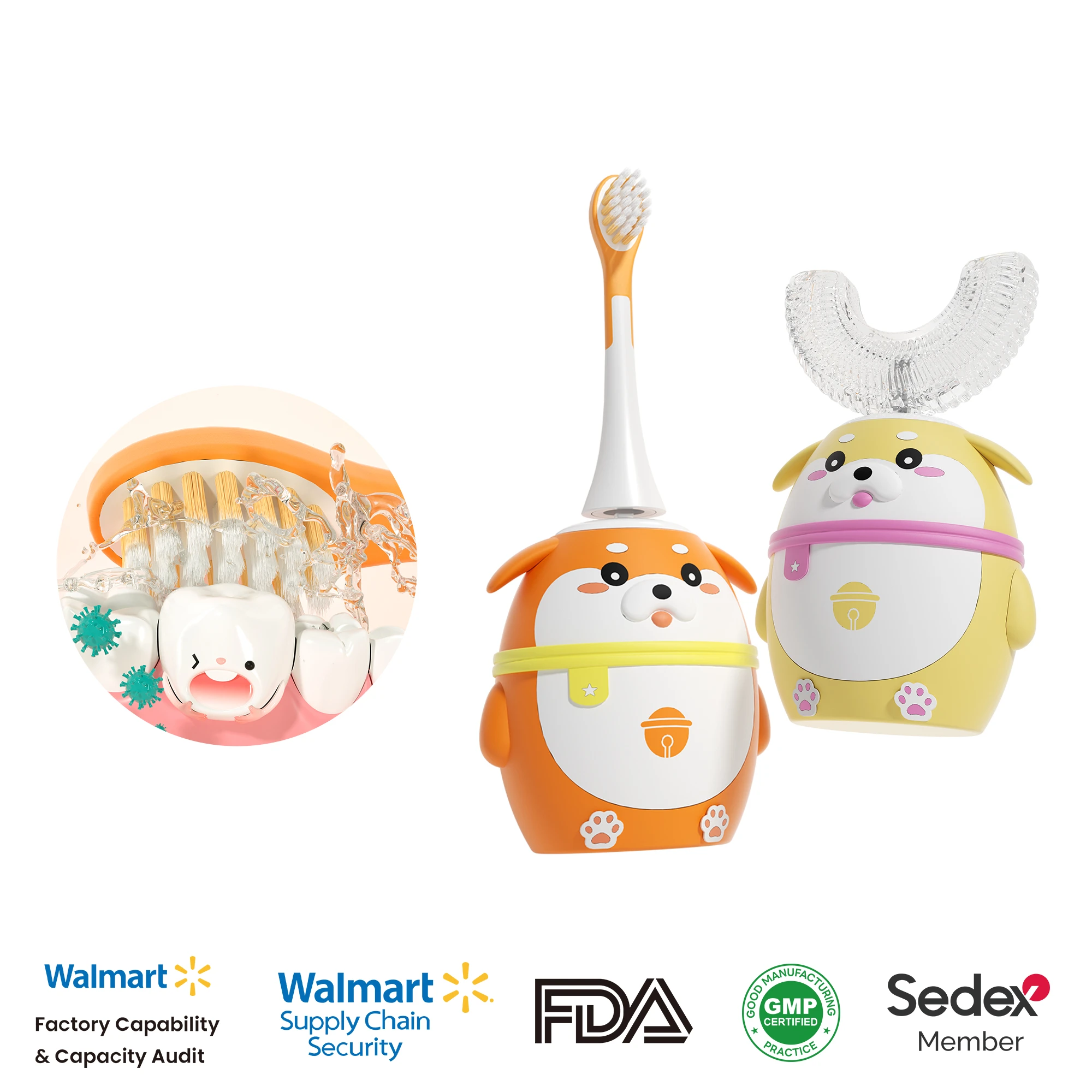
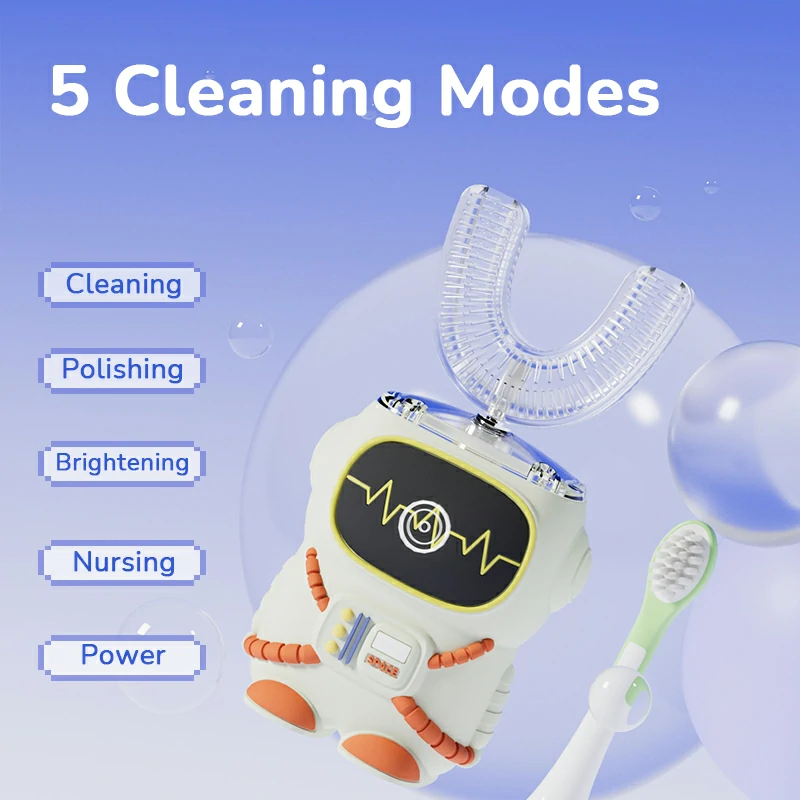
For families seeking safe and practical oral care solutions, OralGos designed the Kids Toothbrush specifically for children. It offers multiple brushing modes and a gentle cleaning system made for kids.
Ultrasonic Electric Toothbrush Benefits and Limitations
The ultrasonic electric toothbrush offers several key advantages:
- Deep cleaning through ultrasonic wave action
- Reduced pressure on gums
- Ideal for orthodontic patients
- Potential plaque disruption beyond bristle reach
However, it also has some limitations:
- Higher price point
- Less tactile brushing feedback
- Requires proper usage understanding for best results
Despite these limitations, many dental professionals recognize its potential for advanced oral care routines.
Sonic Toothbrush Advantages in Daily Use
Sonic toothbrushes remain the most widely used powered toothbrush category because they are easy to use and affordable. They provide:
- Strong plaque removal with familiar brushing motion
- Better adaptation for new electric toothbrush users
- Effective gum stimulation
- Wide product availability across price ranges
For most users, sonic technology offers a clear upgrade over manual brushing. It also serves as a practical entry point into electric oral care.
Which One Should You Choose?
Choosing between an ultrasonic electric toothbrush and a sonic toothbrush depends on your oral health needs:
- If you have sensitive gums, orthodontic appliances, or prefer minimal pressure brushing, ultrasonic technology may be more suitable.
- Choose a sonic toothbrush for a simple, effective, and budget-friendly upgrade from manual brushing.
In both cases, consistency matters more than technology alone. The American Dental Association emphasizes the importance of proper brushing technique and regular dental check-ups. Both are essential for long-term oral health.
Final Thoughts
Ultrasonic and sonic technology are not about which is better. The key is choosing what suits your oral care needs. The ultrasonic electric toothbrush represents advanced cleaning innovation, while sonic toothbrushes offer practical, reliable performance for everyday users.
Ultimately, both options can significantly improve oral hygiene when used correctly. The key is to choose a device that encourages consistent brushing habits and supports your long-term dental health goals.